Genre
synthwave brasileiro
Top Synthwave brasileiro Artists
Showing 10 of 10 artists




About Synthwave brasileiro
Synthwave brasileiro is the Brazilian branch of the wider synthwave movement, a music and visual aesthetic that reimagines the 1980s with neon-lit futurism. Born in the 2010s at the intersection of Brazilian electronic experimentation and global retrofuturist culture, it grew from online communities, Bandcamp uploads, and low-key local shows that celebrated analog synth textures, gated drum machines, and lush reverb. What sets synthwave brasileiro apart is how Brazilian identity leaks into the DNA: tempo, swing, and percussive sensibilities borrow from MPB, samba, funk carioca, and tropicalia, while still chasing the cinematic, neon-drenched mood of classic American and European synthwave.
Origins and development: While the international synthwave scene drew from 80s soundtrack aesthetics, Brazil's version started seeping into clubs and festival lineups mid-2010s. Producers layered analog synth pads with Brazilian percussion or vocal samples, creating tracks that feel both cosmopolitan and unmistakably Brazilian. The movement thrives on small labels, producer collectives, and online collabs that link São Paulo, Rio de Janeiro, Curitiba, and other urban centers, turning nostalgia into a contemporary instrument for cultural exchange.
Ambassadors and key acts: Within Brazil, a continuum of producers and DJs have championed the sound, helping it translate to stages and dancefloors. Globally, synthwave’s prestige is carried by well-known ambassadors of the wider genre—artists who defined the retro-futurist mood through cinematic soundtracks and neon aesthetics. In Brazil, these ambassadors are often described by fans as the custodians who crystallize the Brazilian flavor in synthwave, inviting collaborations with Brazilian rappers, samba groups, and game-music composers. The result is a sound that can lean toward hypnotic atmospheres, dancefloor-driven grooves, or a filmic score, always tinted with tropical brightness.
Influence and reach: Synthwave brasileiro has found listeners across continents—beyond Brazil, it resonates in Portugal, Spain, Italy, the rest of Europe, and the United States. It is particularly popular among fans who grew up with 80s Brazilian television and video games, as well as younger producers attracted to the cinematic, Road Movie ethos that synthwave embodies. Live performances and DJ sets often pair visuals inspired by VHS tapes, Brazilian cityscapes, and neon signage, creating immersive experiences that celebrate both retro sound design and contemporary production.
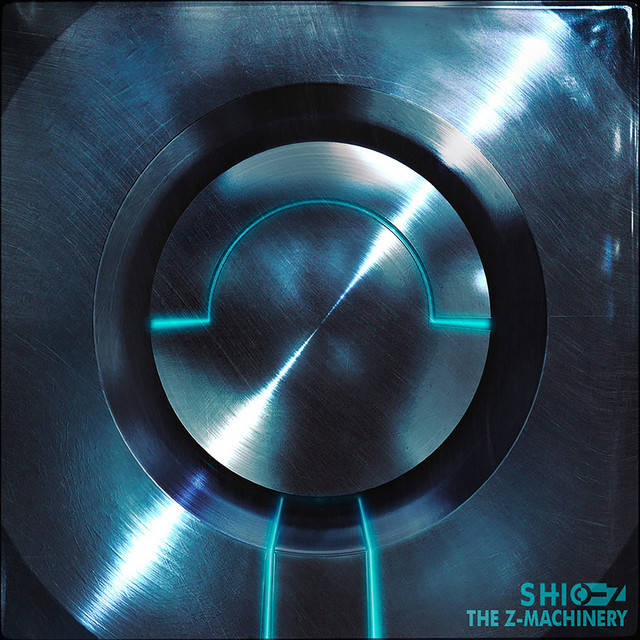
Production and aesthetics: The look is as important as the sound. Album art often uses neon pinks, blues, and gridlines; typography borrows from 80s arcade games and Brazilian cinema poster design. Tracks frequently feature tempo ranges from 90 to 110 BPM with lush pads and shimmering leads. Vocals, when present, are often in Portuguese or bilingual, which adds charm and accessibility for global listeners. Many producers favor analog emulation or hardware synths to capture warmth, but modern soft synths keep the workflow flexible for collaborations across time zones.
From nostalgia to inspiration: Synthwave brasileiro remains a living conversation between past and present. It invites Brazilian producers to reinterpret nostalgic textures with modern software, but also to reimagine national music history as part of a global retro-futurist conversation. For enthusiasts, it's a doorway to discovering Brazilian musical heritage while savoring the universal emotion of neon-lit memory.
Origins and development: While the international synthwave scene drew from 80s soundtrack aesthetics, Brazil's version started seeping into clubs and festival lineups mid-2010s. Producers layered analog synth pads with Brazilian percussion or vocal samples, creating tracks that feel both cosmopolitan and unmistakably Brazilian. The movement thrives on small labels, producer collectives, and online collabs that link São Paulo, Rio de Janeiro, Curitiba, and other urban centers, turning nostalgia into a contemporary instrument for cultural exchange.
Ambassadors and key acts: Within Brazil, a continuum of producers and DJs have championed the sound, helping it translate to stages and dancefloors. Globally, synthwave’s prestige is carried by well-known ambassadors of the wider genre—artists who defined the retro-futurist mood through cinematic soundtracks and neon aesthetics. In Brazil, these ambassadors are often described by fans as the custodians who crystallize the Brazilian flavor in synthwave, inviting collaborations with Brazilian rappers, samba groups, and game-music composers. The result is a sound that can lean toward hypnotic atmospheres, dancefloor-driven grooves, or a filmic score, always tinted with tropical brightness.
Influence and reach: Synthwave brasileiro has found listeners across continents—beyond Brazil, it resonates in Portugal, Spain, Italy, the rest of Europe, and the United States. It is particularly popular among fans who grew up with 80s Brazilian television and video games, as well as younger producers attracted to the cinematic, Road Movie ethos that synthwave embodies. Live performances and DJ sets often pair visuals inspired by VHS tapes, Brazilian cityscapes, and neon signage, creating immersive experiences that celebrate both retro sound design and contemporary production.
Production and aesthetics: The look is as important as the sound. Album art often uses neon pinks, blues, and gridlines; typography borrows from 80s arcade games and Brazilian cinema poster design. Tracks frequently feature tempo ranges from 90 to 110 BPM with lush pads and shimmering leads. Vocals, when present, are often in Portuguese or bilingual, which adds charm and accessibility for global listeners. Many producers favor analog emulation or hardware synths to capture warmth, but modern soft synths keep the workflow flexible for collaborations across time zones.
From nostalgia to inspiration: Synthwave brasileiro remains a living conversation between past and present. It invites Brazilian producers to reinterpret nostalgic textures with modern software, but also to reimagine national music history as part of a global retro-futurist conversation. For enthusiasts, it's a doorway to discovering Brazilian musical heritage while savoring the universal emotion of neon-lit memory.