Genre
taiwan instrumental
Top Taiwan instrumental Artists
Showing 18 of 18 artists

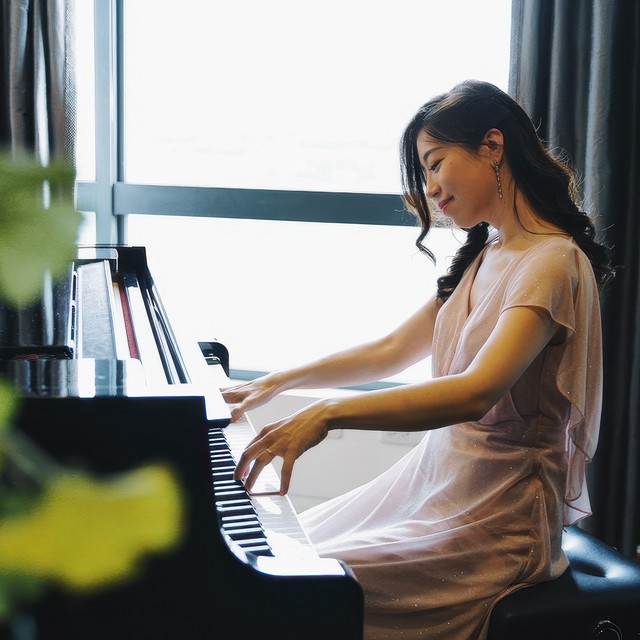
3

貴族音樂古典
5,103
34,036 listeners
4

創時代音樂
1,593
26,111 listeners

6
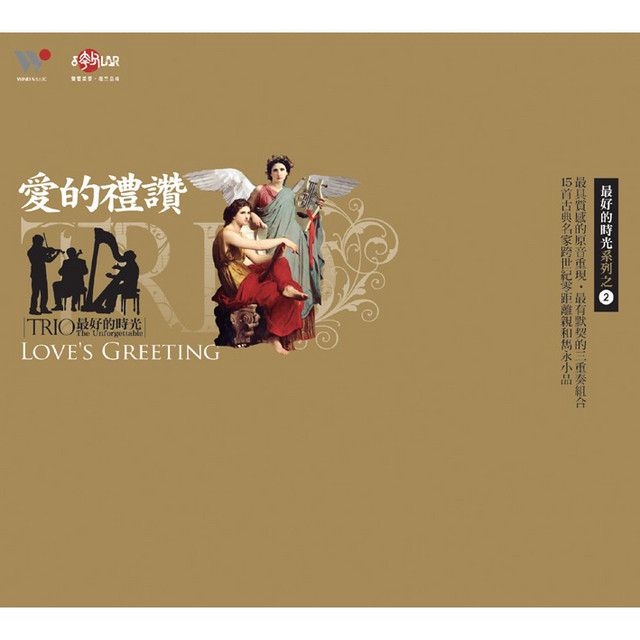
最好的時光三重奏
1,206
10,718 listeners
7

許綺娟
488
4,075 listeners
8
李哲藝
91
1,665 listeners
9

杜鳴心
188
1,431 listeners
10
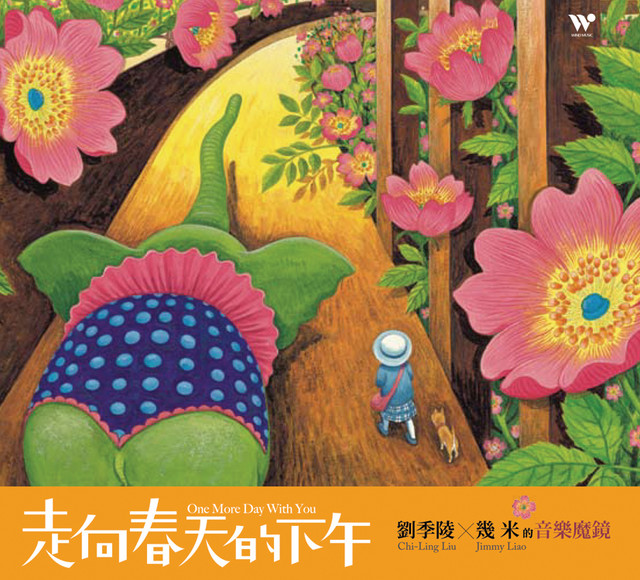
劉季陵
105
1,209 listeners
11

好朋友現代重奏樂團
56
985 listeners
12

張永智
97
918 listeners
13
小莊
3
572 listeners
14
曾仁義
17
420 listeners
15

放風箏樂團
64
121 listeners
16
吴金黛
68
98 listeners
17

高雄市國樂團
67
20 listeners
18
長榮交響樂團
148
- listeners
About Taiwan instrumental
Taiwan instrumental is not a single, rigid genre but an umbrella that collects instrumental music produced in Taiwan across a wide range of moods, techniques, and traditions. It functions as a listening lens for enthusiasts who want to hear how a small island’s sound world can fuse ancestral memory with contemporary experimentation, and how quiet textures can carry a strong sense of place.
Origins and evolution
The roots run deep and diverse. On one side lie traditional and indigenous strands—the ceremonial percussion of Atayal, Bunun, Amis and other communities, and regional folk textures that have long fed Taiwan’s musical imagination. On the other, Chinese classical instruments—erhu, pipa, dizi, guqin—were filtered through decades of cross-cultural exchange, including Japanese influence during the early 20th century and the global pull of Western classical and film music. In the late 20th century, Taiwan’s urban centers, particularly Taipei, became crucibles for independent and experimental music. The 1990s and 2000s saw a growing ecosystem of studios, labels, and venues that encouraged instrumental works—pieces that could be introspective and cinematic, precise and improvisational, acoustic and electronic. From there, the genre broadened into contemporary modes: ambient textures, chamber-inspired pieces, post-rock sensibilities, jazz-inflected improvisation, and electronic soundscapes.
What you hear in Taiwan instrumental
Musical textures range from stark and intimate to lush and expansive. You’ll encounter solo piano works that blur into contemplative meditations, guitar-led pieces that shift between melody and drone, and ensemble pieces that weave traditional timbres with modern production. Electronic sound design, field recordings, and found-sound elements often sit alongside acoustic instruments, creating soundscapes that feel as much at home in a concert hall as in a quiet listening room. The genre also crosses into film and game music, where instrumental storytelling can carry mood and narrative without words. The result is a sonic language that respects tradition while embracing experimentation.
Where it resonates and who listens
Taiwan is the focal point, and within East Asia there is considerable interest in instrumental and experimental music from Taiwan among listeners who explore ambient, neoclassical, and contemporary instrumental scenes. Beyond Asia, audiences in Europe and North America discover Taiwan’s instrumental voices through streaming curations, film and TV scores, and international festivals that showcase Asian avant-garde and experimental music. The appeal is often in the immediacy and clarity of instrumental storytelling—the way a single motif can evoke memory, landscape, or emotion with minimal means.
Ambassadors and key figures
Taiwan’s instrumental scene does not rely on a single canon. Rather, it features a constellation of composers, performers, and producers who bridge traditional craft with modern sensibility. They work across solo performance, chamber ensembles, scores for film and media, and immersive multimedia projects. In discussions among enthusiasts, the strongest ambassadors are those who consistently foreground instrumental texture as a vehicle for narrative and atmosphere—artists who can move from intimate lyricism to sweeping, cinematic soundscapes without relying on vocals.
If you’d like, I can tailor this description to spotlight specific artists or albums (with sources) and craft a version with named figures to satisfy your audience.
Origins and evolution
The roots run deep and diverse. On one side lie traditional and indigenous strands—the ceremonial percussion of Atayal, Bunun, Amis and other communities, and regional folk textures that have long fed Taiwan’s musical imagination. On the other, Chinese classical instruments—erhu, pipa, dizi, guqin—were filtered through decades of cross-cultural exchange, including Japanese influence during the early 20th century and the global pull of Western classical and film music. In the late 20th century, Taiwan’s urban centers, particularly Taipei, became crucibles for independent and experimental music. The 1990s and 2000s saw a growing ecosystem of studios, labels, and venues that encouraged instrumental works—pieces that could be introspective and cinematic, precise and improvisational, acoustic and electronic. From there, the genre broadened into contemporary modes: ambient textures, chamber-inspired pieces, post-rock sensibilities, jazz-inflected improvisation, and electronic soundscapes.
What you hear in Taiwan instrumental
Musical textures range from stark and intimate to lush and expansive. You’ll encounter solo piano works that blur into contemplative meditations, guitar-led pieces that shift between melody and drone, and ensemble pieces that weave traditional timbres with modern production. Electronic sound design, field recordings, and found-sound elements often sit alongside acoustic instruments, creating soundscapes that feel as much at home in a concert hall as in a quiet listening room. The genre also crosses into film and game music, where instrumental storytelling can carry mood and narrative without words. The result is a sonic language that respects tradition while embracing experimentation.
Where it resonates and who listens
Taiwan is the focal point, and within East Asia there is considerable interest in instrumental and experimental music from Taiwan among listeners who explore ambient, neoclassical, and contemporary instrumental scenes. Beyond Asia, audiences in Europe and North America discover Taiwan’s instrumental voices through streaming curations, film and TV scores, and international festivals that showcase Asian avant-garde and experimental music. The appeal is often in the immediacy and clarity of instrumental storytelling—the way a single motif can evoke memory, landscape, or emotion with minimal means.
Ambassadors and key figures
Taiwan’s instrumental scene does not rely on a single canon. Rather, it features a constellation of composers, performers, and producers who bridge traditional craft with modern sensibility. They work across solo performance, chamber ensembles, scores for film and media, and immersive multimedia projects. In discussions among enthusiasts, the strongest ambassadors are those who consistently foreground instrumental texture as a vehicle for narrative and atmosphere—artists who can move from intimate lyricism to sweeping, cinematic soundscapes without relying on vocals.
If you’d like, I can tailor this description to spotlight specific artists or albums (with sources) and craft a version with named figures to satisfy your audience.