Genre
taiwanese indie
Top Taiwanese indie Artists
Showing 25 of 693 artists
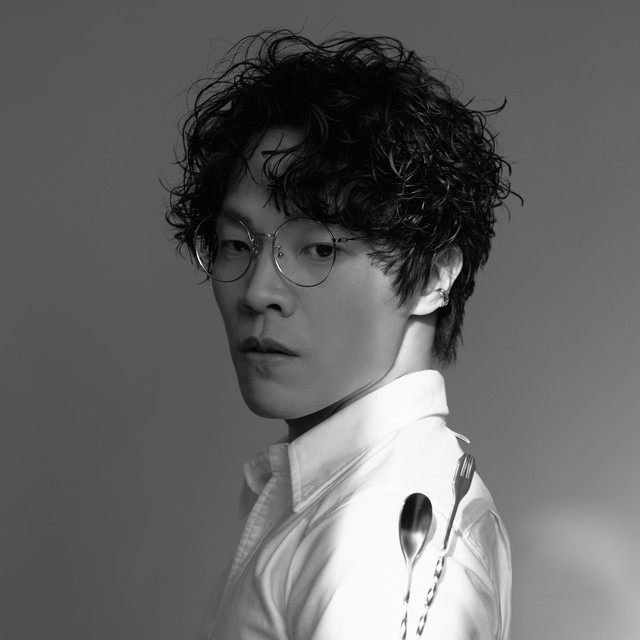
2
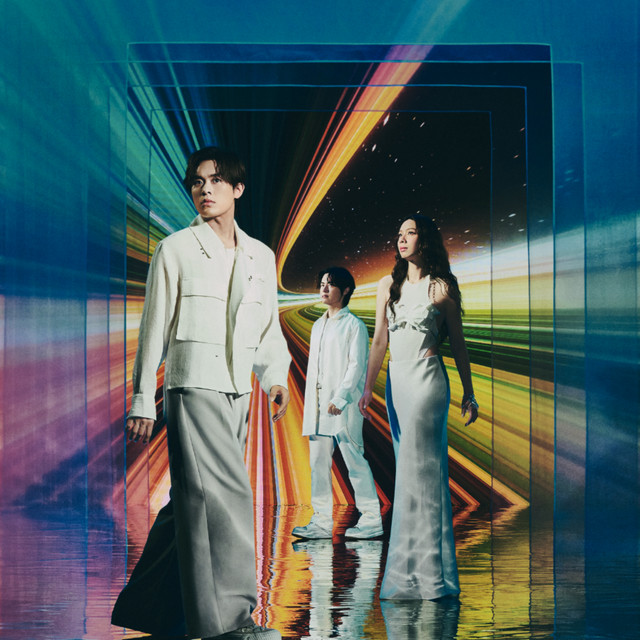
告五人
Taiwan
1.3 million
1.1 million listeners
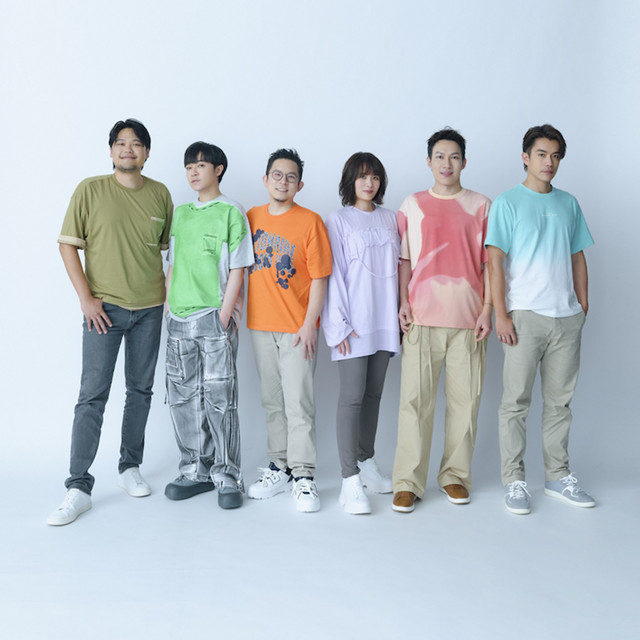

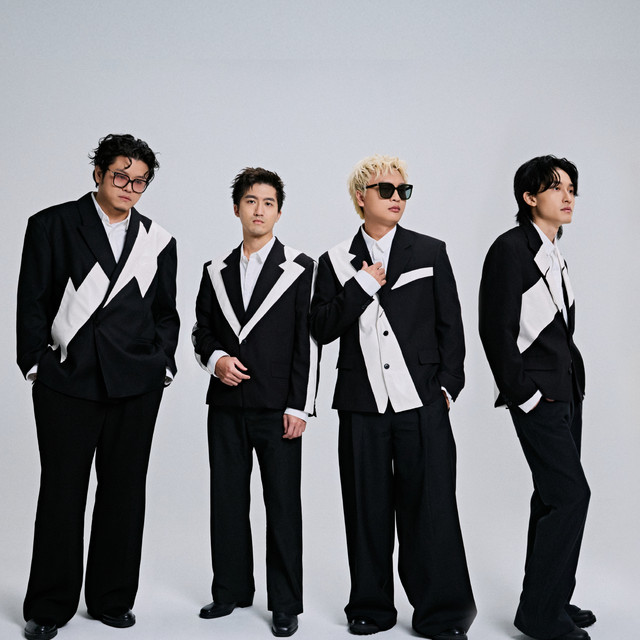
5
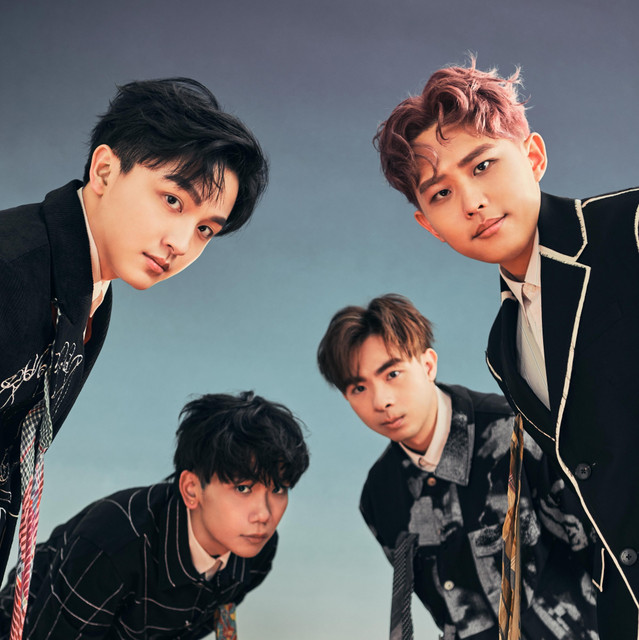
理想混蛋
259,027
979,488 listeners
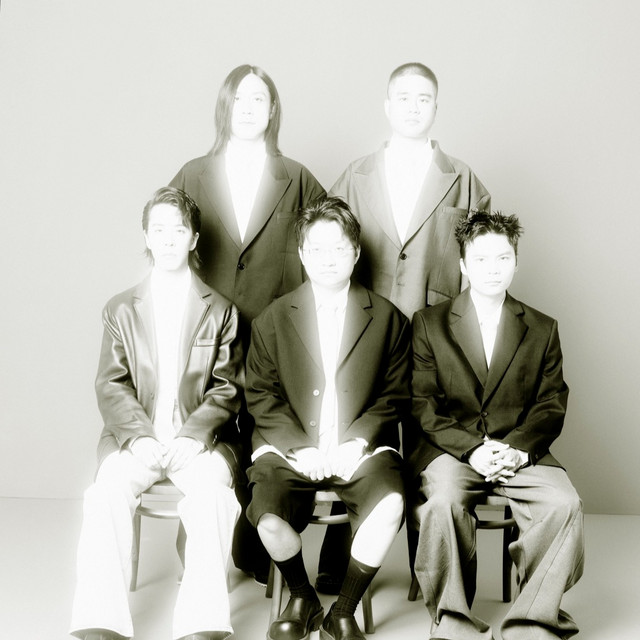

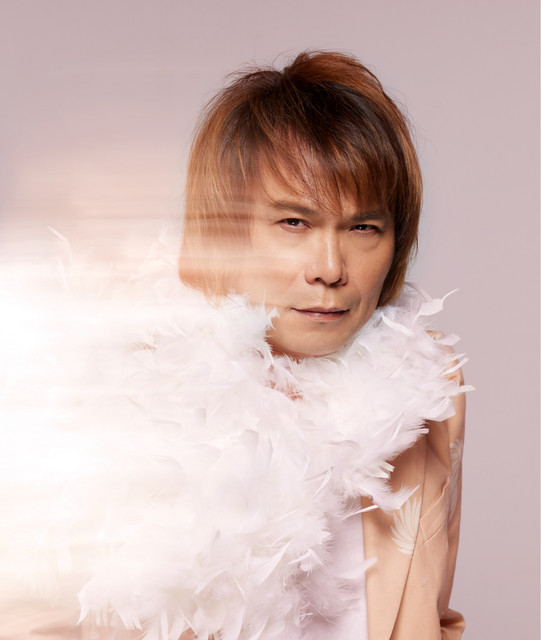



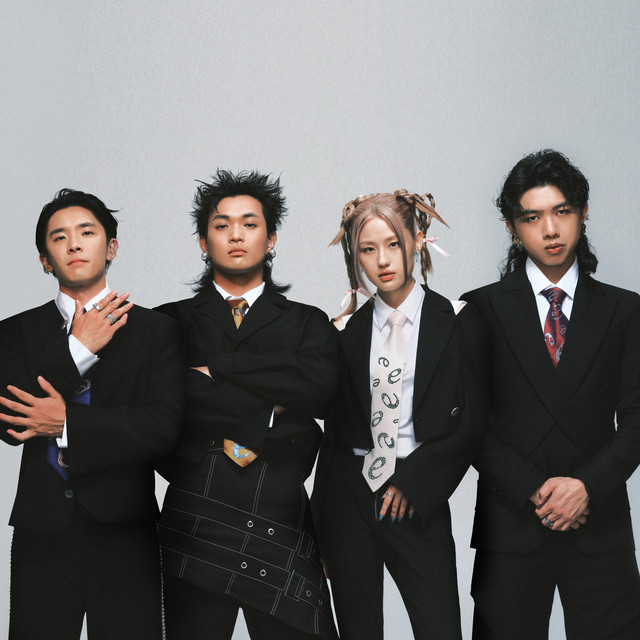
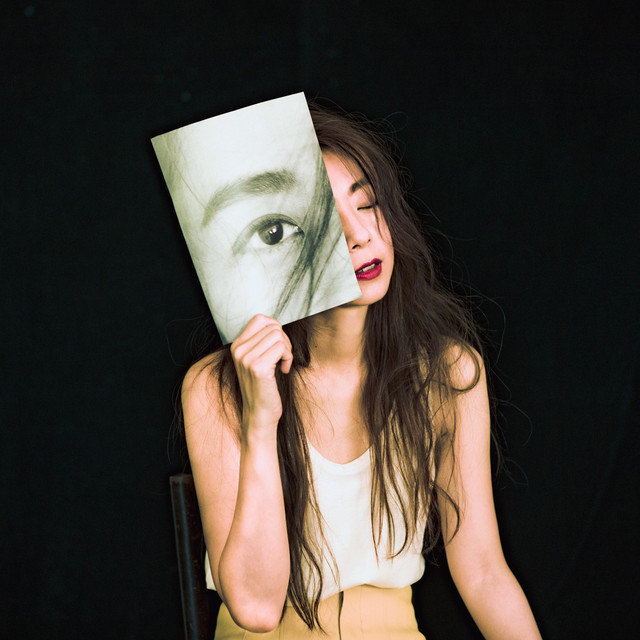
16
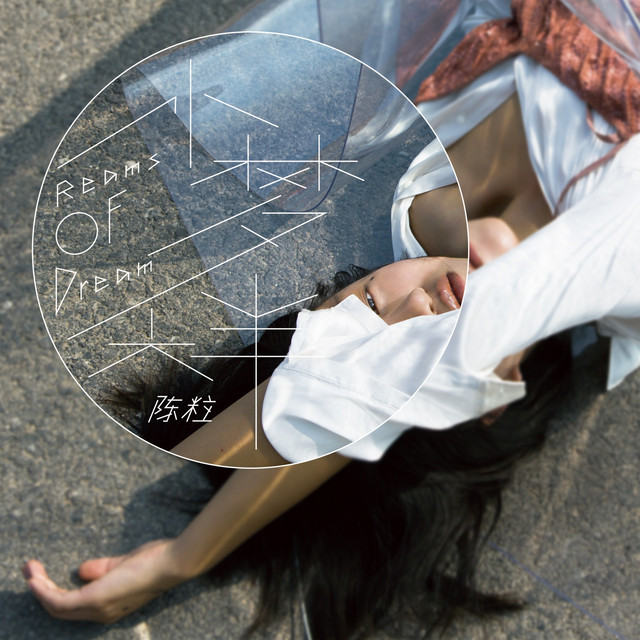
陳粒
China
220,863
518,914 listeners

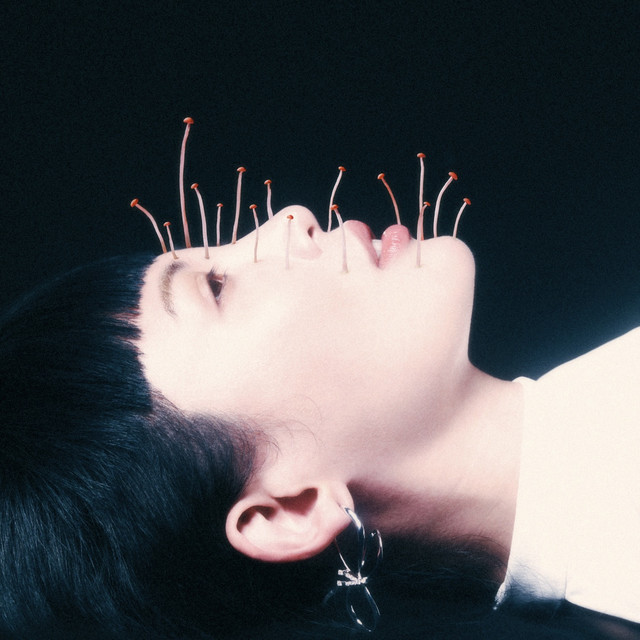
18
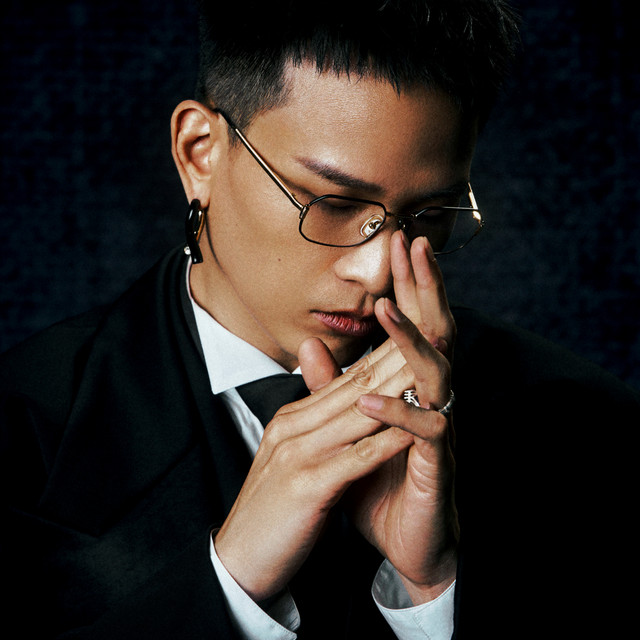
黃奇斌
31,652
466,024 listeners
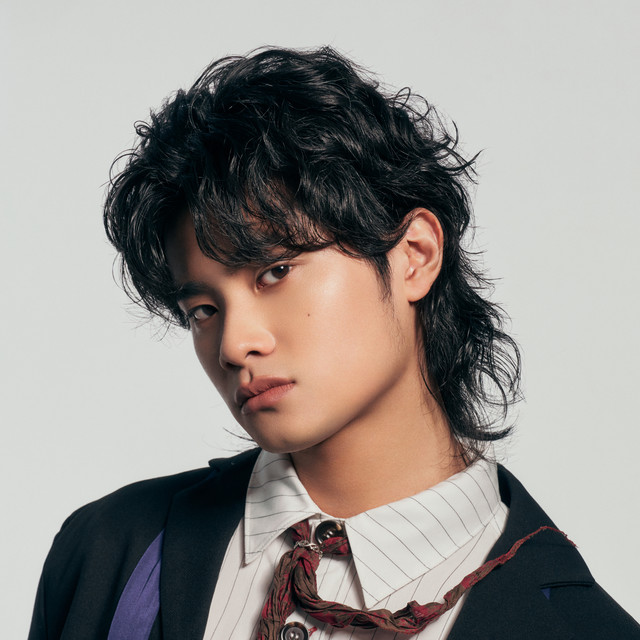


23
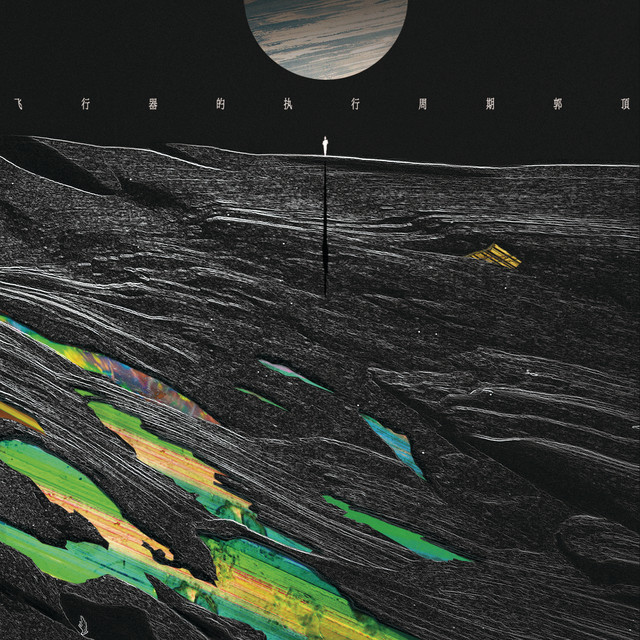
郭顶
155,207
400,383 listeners
About Taiwanese indie
Taiwanese indie is the island’s vibrant, hands-on approach to making music outside the mainstream pop and rock machine. It’s a scene built on DIY ethics, intimate venues, and a willingness to blend genres—from indie rock and folk to synth-pop, jazz, and funk—while keeping a distinctly Taiwanese voice. The result is music that feels both local and universal: deeply personal, yet accessible to listeners far beyond Taiwan’s shores.
The movement coalesced in the late 1990s and early 2000s, as Taipei’s coffee shops, basements, and grassroots collectives became incubators for experimentation. Independent labels and self-released projects helped bands and singer-songwriters reach audiences without relying on major-label machinery. This period also coincided with the broader global surge of indie appreciation, which allowed Taiwanese acts to connect with listeners in neighboring Asia and beyond through live tours, music blogs, and later streaming platforms.
What characterizes Taiwanese indie is its forward-looking yet intimate sound palette. It often features warm guitar tones, jangly riffs, and lo-fi textures that give a sense of immediacy—skills learned from home recording and small-room performances. Vocals swing between reflective, confessional lyricism and wry social observation. Lyrically, the songs frequently anchor themselves in urban experience—night markets, cafes, and transit arcs—while also exploring memory, identity, and the tensions of modern life in Taiwan. In recent years, there’s been a welcome openness to cross-genre fusions: funk-infused pop, dream-pop atmospheres, jazz-informed vocals, and electronic experiments sit next to more guitar-driven anthems.
No Party For Cao Dong stands as one of the era’s most influential acts. With stark, literate lyrics and a penchant for stark, emotionally direct arrangements, the band helped redefine what Taiwanese indie could sound like on a national and international level. Sunset Rollercoaster has become another ambassador, translating Taiwanese indie’s sensibility into grooves that feel both retro and contemporary—often described as a bridge between neo-soul, funk, and psych-pop. 9m88 has highlighted the jazz-inflected side of Taiwan’s indie, marrying sophisticated vocal phrasing to catchy, genre-bending productions. Ging Nang Boyz, with their sharp, socially aware indie-rock voice, remain a touchstone for the island’s DIY hustle and spirit of candor.
Taiwanese indie has shown itself most robust at home, with a network of venues, festivals, and media that celebrate discovery and development. It also finds a receptive audience in nearby Japan, some Southeast Asian markets, and among global indie communities that celebrate Chin-based and Taiwan-based music alike. In recent years, streaming services and Bandcamp have helped Taiwanese indie reach curious listeners in Europe and North America, where fans discover tracks through curated playlists and word of mouth. The scene remains social, warm, and endlessly inventive—a testament to a generation that insists on making art that sounds like Taiwan, and sounds good everywhere. If you’re a music enthusiast chasing authenticity and risk-taking, Taiwanese indie offers a rich map of sound, language, and mood just waiting to be explored.
The movement coalesced in the late 1990s and early 2000s, as Taipei’s coffee shops, basements, and grassroots collectives became incubators for experimentation. Independent labels and self-released projects helped bands and singer-songwriters reach audiences without relying on major-label machinery. This period also coincided with the broader global surge of indie appreciation, which allowed Taiwanese acts to connect with listeners in neighboring Asia and beyond through live tours, music blogs, and later streaming platforms.
What characterizes Taiwanese indie is its forward-looking yet intimate sound palette. It often features warm guitar tones, jangly riffs, and lo-fi textures that give a sense of immediacy—skills learned from home recording and small-room performances. Vocals swing between reflective, confessional lyricism and wry social observation. Lyrically, the songs frequently anchor themselves in urban experience—night markets, cafes, and transit arcs—while also exploring memory, identity, and the tensions of modern life in Taiwan. In recent years, there’s been a welcome openness to cross-genre fusions: funk-infused pop, dream-pop atmospheres, jazz-informed vocals, and electronic experiments sit next to more guitar-driven anthems.
No Party For Cao Dong stands as one of the era’s most influential acts. With stark, literate lyrics and a penchant for stark, emotionally direct arrangements, the band helped redefine what Taiwanese indie could sound like on a national and international level. Sunset Rollercoaster has become another ambassador, translating Taiwanese indie’s sensibility into grooves that feel both retro and contemporary—often described as a bridge between neo-soul, funk, and psych-pop. 9m88 has highlighted the jazz-inflected side of Taiwan’s indie, marrying sophisticated vocal phrasing to catchy, genre-bending productions. Ging Nang Boyz, with their sharp, socially aware indie-rock voice, remain a touchstone for the island’s DIY hustle and spirit of candor.
Taiwanese indie has shown itself most robust at home, with a network of venues, festivals, and media that celebrate discovery and development. It also finds a receptive audience in nearby Japan, some Southeast Asian markets, and among global indie communities that celebrate Chin-based and Taiwan-based music alike. In recent years, streaming services and Bandcamp have helped Taiwanese indie reach curious listeners in Europe and North America, where fans discover tracks through curated playlists and word of mouth. The scene remains social, warm, and endlessly inventive—a testament to a generation that insists on making art that sounds like Taiwan, and sounds good everywhere. If you’re a music enthusiast chasing authenticity and risk-taking, Taiwanese indie offers a rich map of sound, language, and mood just waiting to be explored.