Genre
tajik traditional
Top Tajik traditional Artists
Showing 12 of 12 artists
About Tajik traditional
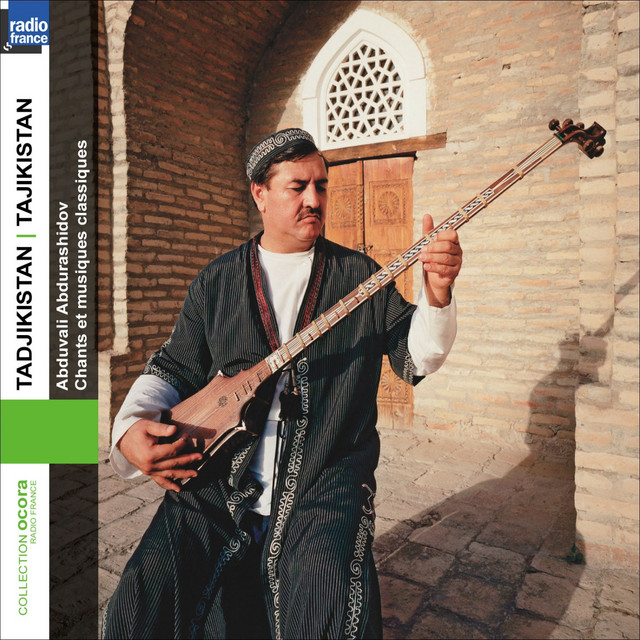
Tajik traditional music is the living thread that ties Tajikistan’s rich Persianate heritage to the broader currents of Central Asian sound. It encompasses two intertwined strands: the everyday folk repertoires of rural communities and the more elaborate, courtly art that has come to be known around the world as Shashmaqom. Together they form a music that is at once intimate and ceremonious, rooted in memory and eager for new ears.
The roots of Tajik traditional sound reach back to the medieval exchange routes of the Silk Road, where Persian literary culture, Turkic musical ideas, and Islamic liturgical forms met in Central Asia. Over centuries, these influences fused into a distinctive musical language based on modal structures—maqams—that organize melodies and moods in scales with microtonal inflections. This system allows for both the sung declamation of poetry and the improvisatory spark that keeps live performances electrifying. In its most venerable form, Shashmaqom (often rendered as Shashmaqom or Shashmaqom tradition) crystallized in the urban centers of Bukhara, Samarkand, and regions of Tajikistan around the 18th and 19th centuries, becoming a treasury for vocal line, instrumental embroidery, and poetic craft. The repertoire embodies a high art of intimate vocal expression, seasoned with instrumental color from the long-necked dutar, the compact rubab, the plucked komuz, and the reed-like timbre of the surnai, often accompanied by frame drums or small percussion. The result is music that can glide through refined courtly settings and still breathe in the warmth of village gatherings.
In performance, Tajik traditional music places the voice at the center. A vocalist might weave long, melismatic lines, ornamenting phrases with subtle bends and microtonal inflections that feel almost improvisational, even when anchored in a defined maqam. Instrumental roles are carefully balanced: stringed instruments like the dutar and komuz provide sustained, shimmering textures; the rubab adds a warmer, more pungent hue; wind and reed voices like the surnai introduce breathy crescendos; percussion marks the cycles and punctuates the dramatic arc of a piece. Lyrics—often in Tajik or Persian—draw from epic poetry, Sufi mysticism, and folk romance, turning performance into a narrative journey as much as a sonic experience.
Shashmaqom has become the ambassador of Tajik traditional music on the world stage. Its intricate, dignified beauty helped it gain UNESCO recognition as an intangible cultural heritage, signaling its significance beyond national borders. Today, the most widely heard forms of Tajik traditional music circulate through ensembles that carry the Shashmaqom lineage to concert halls and world music festivals, as well as through rural ensembles that preserve the genre in its more intimate modes. Contemporary audiences encounter it in performances across Tajikistan, in the northern Uzbek regions where Tajik communities have long grown, and within diaspora networks in Russia, Iran, Europe, and North America.
For enthusiasts, Tajik traditional music offers a dual invitation: to savor the elegance of a centuries-old modal craft and to hear living artists who keep the tradition evolving—respectful of lineage, yet curious about contemporary timbres and audiences. If you seek a gateway into Central Asia’s classical sound world, Tajik traditional music—especially the Shashmaqom tradition—provides both a reverent archive and a vibrant, forward-looking performance language.
The roots of Tajik traditional sound reach back to the medieval exchange routes of the Silk Road, where Persian literary culture, Turkic musical ideas, and Islamic liturgical forms met in Central Asia. Over centuries, these influences fused into a distinctive musical language based on modal structures—maqams—that organize melodies and moods in scales with microtonal inflections. This system allows for both the sung declamation of poetry and the improvisatory spark that keeps live performances electrifying. In its most venerable form, Shashmaqom (often rendered as Shashmaqom or Shashmaqom tradition) crystallized in the urban centers of Bukhara, Samarkand, and regions of Tajikistan around the 18th and 19th centuries, becoming a treasury for vocal line, instrumental embroidery, and poetic craft. The repertoire embodies a high art of intimate vocal expression, seasoned with instrumental color from the long-necked dutar, the compact rubab, the plucked komuz, and the reed-like timbre of the surnai, often accompanied by frame drums or small percussion. The result is music that can glide through refined courtly settings and still breathe in the warmth of village gatherings.
In performance, Tajik traditional music places the voice at the center. A vocalist might weave long, melismatic lines, ornamenting phrases with subtle bends and microtonal inflections that feel almost improvisational, even when anchored in a defined maqam. Instrumental roles are carefully balanced: stringed instruments like the dutar and komuz provide sustained, shimmering textures; the rubab adds a warmer, more pungent hue; wind and reed voices like the surnai introduce breathy crescendos; percussion marks the cycles and punctuates the dramatic arc of a piece. Lyrics—often in Tajik or Persian—draw from epic poetry, Sufi mysticism, and folk romance, turning performance into a narrative journey as much as a sonic experience.
Shashmaqom has become the ambassador of Tajik traditional music on the world stage. Its intricate, dignified beauty helped it gain UNESCO recognition as an intangible cultural heritage, signaling its significance beyond national borders. Today, the most widely heard forms of Tajik traditional music circulate through ensembles that carry the Shashmaqom lineage to concert halls and world music festivals, as well as through rural ensembles that preserve the genre in its more intimate modes. Contemporary audiences encounter it in performances across Tajikistan, in the northern Uzbek regions where Tajik communities have long grown, and within diaspora networks in Russia, Iran, Europe, and North America.
For enthusiasts, Tajik traditional music offers a dual invitation: to savor the elegance of a centuries-old modal craft and to hear living artists who keep the tradition evolving—respectful of lineage, yet curious about contemporary timbres and audiences. If you seek a gateway into Central Asia’s classical sound world, Tajik traditional music—especially the Shashmaqom tradition—provides both a reverent archive and a vibrant, forward-looking performance language.