Genre
tampa indie
Top Tampa indie Artists
Showing 17 of 17 artists
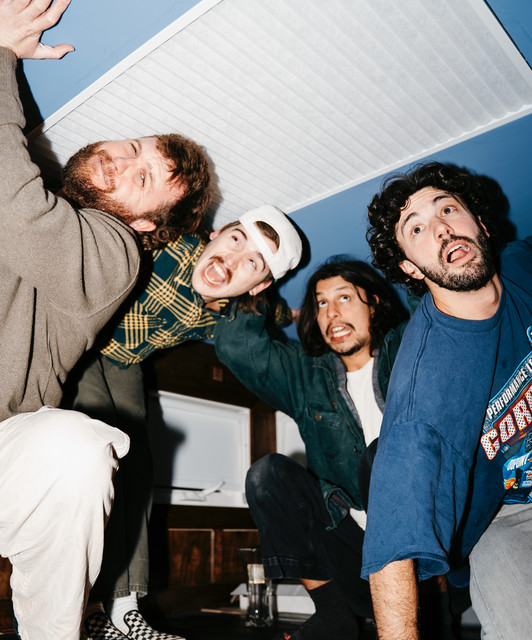








About Tampa indie
Tampa indie is a coastal flavor of indie rock born from the Tampa Bay area’s DIY instinct, a scene that grew up around small rooms, basement shows, and a stubborn belief that good songs can start with a single guitar riff and a hopeful chorus. Emergent in the late 1990s and maturing through the 2000s, it fused the broader indie tradition—melodic hooks, intimate vocals, lo-fi warmth—with a distinct Florida sensibility: sun-kissed but a little weather-beaten, optimistic yet aware of life’s quieter storms.
Origins and ecosystems. The Tampa Bay region—spanning Tampa, St. Petersburg, Clearwater, and nearby communities—developed a tightly knit network of venues, art spaces, and community radio that kept a steady stream of bands in motion. In Ybor City, Crowbar became a storied anchor: a place where a bedroom project could become a weekend headliner, and where a steady slate of indie acts helped the scene find its voice. The Bay’s colleges, zines, and micro-labels fed the appetite for new music, while local radio and DIY promoters kept the dialogue reciprocal—bands, fans, and venues lifting one another up. The result was a scene that prized accessibility and spirit over a single, narrow sound.
Sound and spirit. Tampa indie often leans toward jangly guitars, warm basslines, and vocals delivered with directness and sincerity. Production values range from polished singles that could slot into a college radio or streaming playlist to rougher, lo-fi cuts that feel like intimate diary entries. The lyrics tend to braid themes of everyday life, longing, and place—the humidity of summer days, palm-lined streets, neighborhoods that feel like second homes—yet they avoid cliché, instead treating ordinary moments as portals to emotion. The sonic palette is diverse: elements of dream pop and melodic pop collide with garage grit, and occasional post-punk shadows add bite, all under a banner of songs that matter more for their honesty than their sheen.
Ambassadors, artists, and the network. The strength of Tampa indie lies as much in its community as in its records. Ambassadors come in multiple forms: bands that honed their craft in small rooms and then toured the Southeast; producers and engineers who move between cozy bedrooms and professional studios; and a constellation of venues, collectives, and radio programs that sustain the scene. Notable touchpoints include the local venues that host recurring indie showcases and the community radio ecosystem that helps new acts reach listeners who crave something earnest and human. A national reference point tied to the Florida indie story is Surfer Blood, a band from Florida whose breakout helped spotlight the region’s indie vitality and inspire Tampa’s own acts to aim for broader stages. Across the Bay, WMNF 88.5 FM and similar community stations act as ongoing ambassadors—curating playlists, hosting live sessions, and connecting audiences to the evolving sound. Smaller labels and DIY promoters also keep the genre’s heartbeat visible, releasing cassettes and vinyl that celebrate the tactile side of indie in a digital age.
Geography and reach. While the core of Tampa indie remains rooted in the Tampa Bay region, its cross-pollination through tours, streaming, and social media has found ears beyond Florida’s borders. In the best sense, Tampa indie feels local and universal at once: a music scene defined by place, but capable of sounding like it could belong to any coast with a sunlit atmosphere and a fearless attachment to songcraft. For enthusiasts, it’s a invitation to discover intimate performances, one-song breakthroughs, and communities where fans become participants in the ongoing story.
Origins and ecosystems. The Tampa Bay region—spanning Tampa, St. Petersburg, Clearwater, and nearby communities—developed a tightly knit network of venues, art spaces, and community radio that kept a steady stream of bands in motion. In Ybor City, Crowbar became a storied anchor: a place where a bedroom project could become a weekend headliner, and where a steady slate of indie acts helped the scene find its voice. The Bay’s colleges, zines, and micro-labels fed the appetite for new music, while local radio and DIY promoters kept the dialogue reciprocal—bands, fans, and venues lifting one another up. The result was a scene that prized accessibility and spirit over a single, narrow sound.
Sound and spirit. Tampa indie often leans toward jangly guitars, warm basslines, and vocals delivered with directness and sincerity. Production values range from polished singles that could slot into a college radio or streaming playlist to rougher, lo-fi cuts that feel like intimate diary entries. The lyrics tend to braid themes of everyday life, longing, and place—the humidity of summer days, palm-lined streets, neighborhoods that feel like second homes—yet they avoid cliché, instead treating ordinary moments as portals to emotion. The sonic palette is diverse: elements of dream pop and melodic pop collide with garage grit, and occasional post-punk shadows add bite, all under a banner of songs that matter more for their honesty than their sheen.
Ambassadors, artists, and the network. The strength of Tampa indie lies as much in its community as in its records. Ambassadors come in multiple forms: bands that honed their craft in small rooms and then toured the Southeast; producers and engineers who move between cozy bedrooms and professional studios; and a constellation of venues, collectives, and radio programs that sustain the scene. Notable touchpoints include the local venues that host recurring indie showcases and the community radio ecosystem that helps new acts reach listeners who crave something earnest and human. A national reference point tied to the Florida indie story is Surfer Blood, a band from Florida whose breakout helped spotlight the region’s indie vitality and inspire Tampa’s own acts to aim for broader stages. Across the Bay, WMNF 88.5 FM and similar community stations act as ongoing ambassadors—curating playlists, hosting live sessions, and connecting audiences to the evolving sound. Smaller labels and DIY promoters also keep the genre’s heartbeat visible, releasing cassettes and vinyl that celebrate the tactile side of indie in a digital age.
Geography and reach. While the core of Tampa indie remains rooted in the Tampa Bay region, its cross-pollination through tours, streaming, and social media has found ears beyond Florida’s borders. In the best sense, Tampa indie feels local and universal at once: a music scene defined by place, but capable of sounding like it could belong to any coast with a sunlit atmosphere and a fearless attachment to songcraft. For enthusiasts, it’s a invitation to discover intimate performances, one-song breakthroughs, and communities where fans become participants in the ongoing story.