Genre
tarantella
Top Tarantella Artists
Showing 12 of 12 artists


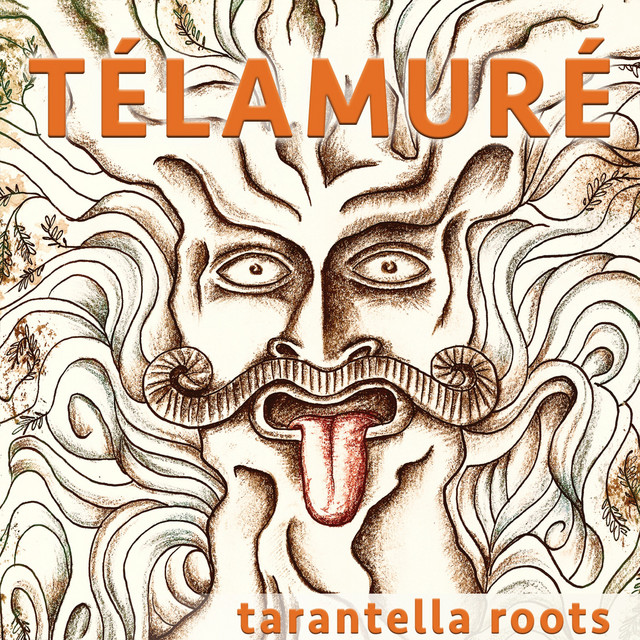
About Tarantella
Tarantella is not a single song, but a family of fast, infectious southern Italian folk dances and their driving tunes. Born in the sun-warmed Mezzogiorno, tarantella grew from the same heartbeat that gave us pizzica, saltarello, and other regional dances. The word tarantella is often traced to tarantula, the spider whose bite, according to medieval and early modern folklore, demanded a frenzied, ecstatic dance as a cure—tarantism. Whether that cure was literal or symbolic, the music and dance served as social therapy: a communal release that ended in laughter, feast, and restored social cohesion. The first written references appear in Renaissance and Baroque Italy, while performance traditions crystallized between the 17th and 19th centuries in Naples, Sicily, Apulia (Puglia) and surrounding provinces.
The sound of tarantella is unmistakably kinetic. In recordings and live performances you will hear a perpetual heartbeat of 6/8 or compound meter, with a swing-tinged, rolling tempo that seems to propel dancers in circular or rapid footwork. The core ensemble favors tamburello (handheld tambourine), fiddle or violin, mandolin or guitar, sometimes accordion or hurdy-gurdy, and—in the pushes and pulls of the melody—call-and-response phrases between lead singers and chorus. Melodies use Mediterranean modal flavors, bright ornamentation and a quick, stepwise motion that invites speed, playfulness and collective participation. The dance often alternates between instrumental sections and social partnering, shifting weight from side to side as couples weave in and out of the circle, their steps echoing the tempo and the tempo echoing the pulse of communal life.
Regional variants proliferate, and each center adds its own flavor. Tarantella napoletana from Naples is lively, melodic, and ornamented; tarantella siciliana from Sicily emphasizes driving rhythms and spirited improvisations; tarantella pugliese (particularly the pizzica of Salento) is renowned for its hypnotic energy, piercing tamburello detail, and sometimes ritual connotations tied to the healing practice of tarantism. In the late 20th century a broader revival fused traditional forms with contemporary folk, rock and world music, amplifying the appeal of the “taranta” subgenre and the pizzica dance across audiences worldwide.
Historically, scholars such as Ernesto De Martino chronicled tarantism as a social and cultural response to distress in Southern Italy, while ethnomusicologists and folklorists documented evolving performance practices. In modern times, the La Notte della Taranta festival in Melpignano (Salento) has become a flagship ambassador for taranta, culminating in large open-air concerts by the Orchestra della Taranta and various guest artists. Contemporary ambassadors of tarantella-influenced music include Vinicio Capossela, who blends folk storytelling with southern Italian rhythms, and countless regional ensembles that carry the tradition into clubs and concert halls.
Tarantella remains a living genre: a high-spirited, communal art form that travels from village squares to festival stages, inviting listeners to feel the pulse, savor the ornamentation, and discover the enduring heat of the Mezzogiorno’s musical imagination.
The sound of tarantella is unmistakably kinetic. In recordings and live performances you will hear a perpetual heartbeat of 6/8 or compound meter, with a swing-tinged, rolling tempo that seems to propel dancers in circular or rapid footwork. The core ensemble favors tamburello (handheld tambourine), fiddle or violin, mandolin or guitar, sometimes accordion or hurdy-gurdy, and—in the pushes and pulls of the melody—call-and-response phrases between lead singers and chorus. Melodies use Mediterranean modal flavors, bright ornamentation and a quick, stepwise motion that invites speed, playfulness and collective participation. The dance often alternates between instrumental sections and social partnering, shifting weight from side to side as couples weave in and out of the circle, their steps echoing the tempo and the tempo echoing the pulse of communal life.
Regional variants proliferate, and each center adds its own flavor. Tarantella napoletana from Naples is lively, melodic, and ornamented; tarantella siciliana from Sicily emphasizes driving rhythms and spirited improvisations; tarantella pugliese (particularly the pizzica of Salento) is renowned for its hypnotic energy, piercing tamburello detail, and sometimes ritual connotations tied to the healing practice of tarantism. In the late 20th century a broader revival fused traditional forms with contemporary folk, rock and world music, amplifying the appeal of the “taranta” subgenre and the pizzica dance across audiences worldwide.
Historically, scholars such as Ernesto De Martino chronicled tarantism as a social and cultural response to distress in Southern Italy, while ethnomusicologists and folklorists documented evolving performance practices. In modern times, the La Notte della Taranta festival in Melpignano (Salento) has become a flagship ambassador for taranta, culminating in large open-air concerts by the Orchestra della Taranta and various guest artists. Contemporary ambassadors of tarantella-influenced music include Vinicio Capossela, who blends folk storytelling with southern Italian rhythms, and countless regional ensembles that carry the tradition into clubs and concert halls.
Tarantella remains a living genre: a high-spirited, communal art form that travels from village squares to festival stages, inviting listeners to feel the pulse, savor the ornamentation, and discover the enduring heat of the Mezzogiorno’s musical imagination.