Genre
thai worship
Top Thai worship Artists
Showing 25 of 38 artists
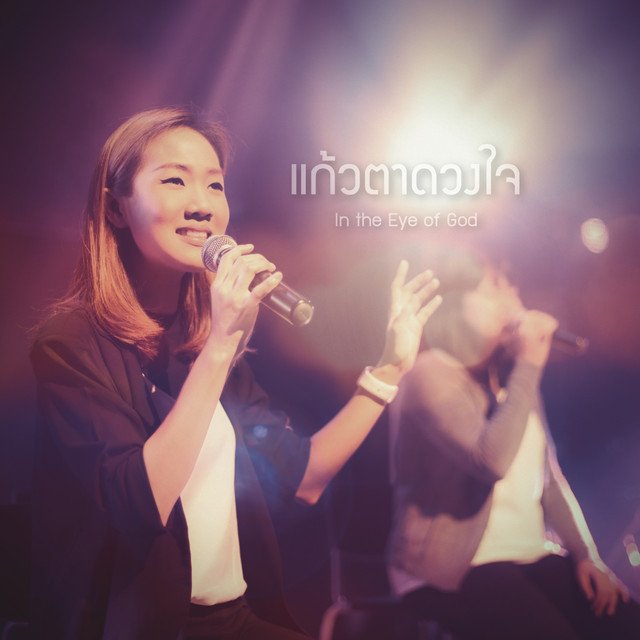
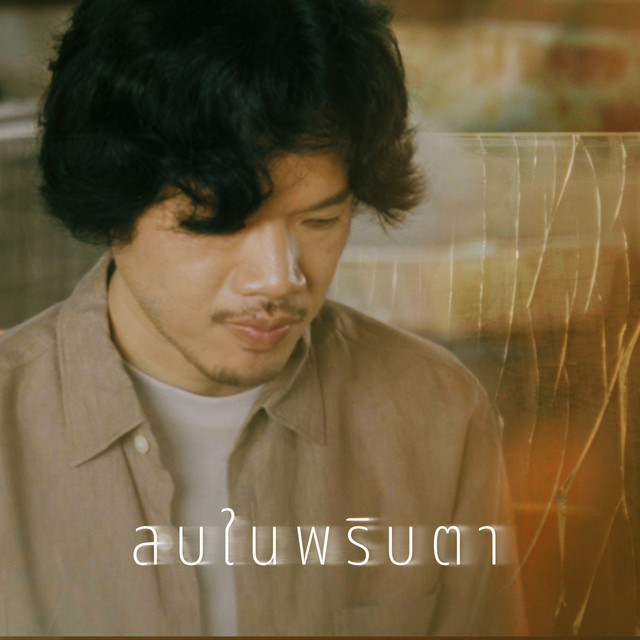

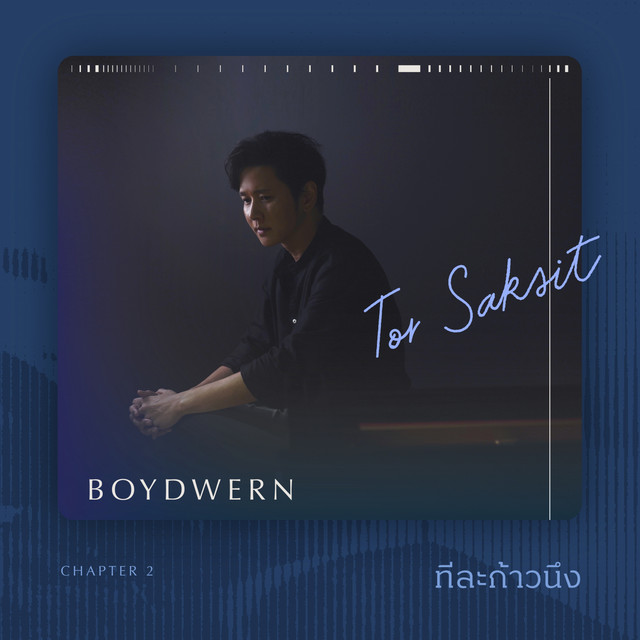
8

ปุ๊ อัญชลี จงคดีกิจ
484
1,337 listeners


18
พรปวีณ์ ตันกิจจานนท์
240
666 listeners
19

โต๋ ศักดิ์สิทธิ์ เวชสุภาพร
109
649 listeners


About Thai worship
Thai worship is a vibrant strand of Thailand’s Christian music landscape, centered on congregational songs of praise and devotion in Thai. It grew out of Thai-speaking church communities that bridged Western worship forms—praise and worship in CCM, gospel, and Pentecostal styles—with local language, idioms, and musical sensibilities. Over the last few decades, Thai worship has evolved from transliterated hymns and borrowed arrangements into a distinctly Thai-language worship idiom that speaks to contemporary church life while retaining a strong sense of communal participation.
Origins and development
The birth of Thai worship is tied to the broader Christian church expansion in Thailand, where missionaries and local pastors introduced modern worship formats in Thai. As Thai-speaking believers organized and trained worship teams, composers began writing original Thai-language songs, rewriting lyrics to reflect everyday faith experiences, biblical themes, and Thai cultural aesthetics. The resulting repertoire favors songs that are easily learned in a congregational setting—catchy refrains, call-and-response sections, and repeatable choruses—so that worship can be led by a church band with lay singers. In the 1990s and 2000s, as churches embraced contemporary production techniques and digital distribution, Thai worship albums, live-recorded church services, and online videos helped spread the genre beyond a single congregation to a nationwide audience and into Thai-speaking diaspora communities.
Musical trademarks
Thai worship blends Western contemporary worship aesthetics with Thai phonetics and sensibilities. Melodies tend to be singable in Thai, with clear, repetitive hooks designed for congregation participation. The harmonic language is typically pop-leaning—using familiar I–IV–V progressions, keyboards and guitars in emphasis, and steady rhythmic grooves that accommodate dynamic worship arcs. Production often features lush choruses, atmospheric guitar textures, driving drum patterns, and generous use of reverb and choir-style backing vocals. While Western pop and rock textures dominate, some arrangements incorporate subtle Thai tonal color, timbres, or melodic phrasing that reflect local musical intuition. Lyrics travel from personal devotion to public praise, often reframing biblical narratives in ways that feel culturally resonant to Thai listeners.
Where it resonates
The core audience for Thai worship remains Thailand’s Thai-language congregations, especially in urban centers such as Bangkok, Chiang Mai, and the coastal and resort towns where international churches and Thai-speaking expatriate communities are active. It is also prominent among Thai-speaking diaspora in the United States (notably in California and the Northeast), Australia, Singapore, and Malaysia, where Thai churches and ministries continue to nurture worship culture and training. In addition to church services, Thai worship has found expression in Christian conferences, youth camps, and evangelistic events, helping to unify diverse Thai Christian communities under a shared sonic and spiritual vocabulary.
Ambassadors and influence
Ambassadors of Thai worship are primarily worship pastors, music directors, and church-based songwriters who train worship teams, publish Thai-language songs, and tour or broadcast their ministry across regions. They cultivate a sense of shared identity through Thai lyrics and culturally resonant musical choices, while collaborating with international Christian music networks and Indonesian, Filipino, or Malaysian Christian musicians who work in Southeast Asia. The genre’s ambassadors emphasize accessibility, congregational vitality, and the translation of timeless spiritual truths into a language and rhythm that Thai believers can sing with conviction.
If you’d like, I can tailor this description to a specific era, region, or list of artists you have in mind.
Origins and development
The birth of Thai worship is tied to the broader Christian church expansion in Thailand, where missionaries and local pastors introduced modern worship formats in Thai. As Thai-speaking believers organized and trained worship teams, composers began writing original Thai-language songs, rewriting lyrics to reflect everyday faith experiences, biblical themes, and Thai cultural aesthetics. The resulting repertoire favors songs that are easily learned in a congregational setting—catchy refrains, call-and-response sections, and repeatable choruses—so that worship can be led by a church band with lay singers. In the 1990s and 2000s, as churches embraced contemporary production techniques and digital distribution, Thai worship albums, live-recorded church services, and online videos helped spread the genre beyond a single congregation to a nationwide audience and into Thai-speaking diaspora communities.
Musical trademarks
Thai worship blends Western contemporary worship aesthetics with Thai phonetics and sensibilities. Melodies tend to be singable in Thai, with clear, repetitive hooks designed for congregation participation. The harmonic language is typically pop-leaning—using familiar I–IV–V progressions, keyboards and guitars in emphasis, and steady rhythmic grooves that accommodate dynamic worship arcs. Production often features lush choruses, atmospheric guitar textures, driving drum patterns, and generous use of reverb and choir-style backing vocals. While Western pop and rock textures dominate, some arrangements incorporate subtle Thai tonal color, timbres, or melodic phrasing that reflect local musical intuition. Lyrics travel from personal devotion to public praise, often reframing biblical narratives in ways that feel culturally resonant to Thai listeners.
Where it resonates
The core audience for Thai worship remains Thailand’s Thai-language congregations, especially in urban centers such as Bangkok, Chiang Mai, and the coastal and resort towns where international churches and Thai-speaking expatriate communities are active. It is also prominent among Thai-speaking diaspora in the United States (notably in California and the Northeast), Australia, Singapore, and Malaysia, where Thai churches and ministries continue to nurture worship culture and training. In addition to church services, Thai worship has found expression in Christian conferences, youth camps, and evangelistic events, helping to unify diverse Thai Christian communities under a shared sonic and spiritual vocabulary.
Ambassadors and influence
Ambassadors of Thai worship are primarily worship pastors, music directors, and church-based songwriters who train worship teams, publish Thai-language songs, and tour or broadcast their ministry across regions. They cultivate a sense of shared identity through Thai lyrics and culturally resonant musical choices, while collaborating with international Christian music networks and Indonesian, Filipino, or Malaysian Christian musicians who work in Southeast Asia. The genre’s ambassadors emphasize accessibility, congregational vitality, and the translation of timeless spiritual truths into a language and rhythm that Thai believers can sing with conviction.
If you’d like, I can tailor this description to a specific era, region, or list of artists you have in mind.