Genre
throat singing
Top Throat singing Artists
Showing 25 of 28 artists







About Throat singing
Throat singing, also known as overtone singing, is a striking vocal tradition from Central Asia in which a single singer creates two or more distinct pitches at once. The technique centers on shaping the mouth, throat, and tongue to emphasize specific harmonics that ride above a continuous drone. The result can feel like a whole choir inside one voice: a low, resonant undertone accompanied by a higher, flute-like melody that seems to shimmer in the air.
Origins and history are often discussed in terms of place and culture. The most closely associated homes of throat singing are Tuva, a republic in the Russian Federation, and Mongolia's northern steppes. Many scholars link the practice to the region’s nomadic herding cultures, where people sang to imitate natural sounds—wind, rivers, birds, and animal calls—while tending reindeer, horses, and sheep. While the exact moment of birth is unknown, the tradition is ancient, enduring through centuries of social change. In written records and ethnographic studies, its prominence is strongest in Tuva and neighboring areas of Siberia and Mongolia, and it has since traveled far beyond its homeland.
Over the centuries, several regional styles and terms coalesced. In Tuva, three broadly recognized categories describe the sound. Khoomei is the umbrella term for a family of singing techniques that produce a human overtone while maintaining a steady drone; sygyt refers to a brighter, whistle-like overtone voice, often heard as an upper melodic line; and kargyraa is the deeper, huskier register, with a growling undertone. Mongolian traditions use related techniques under a similar flag of overtone singing, and the broader term xöömei is common there as well. Variants vary by village, troupe, and teacher, yet the core thrill remains: one voice, many tones.
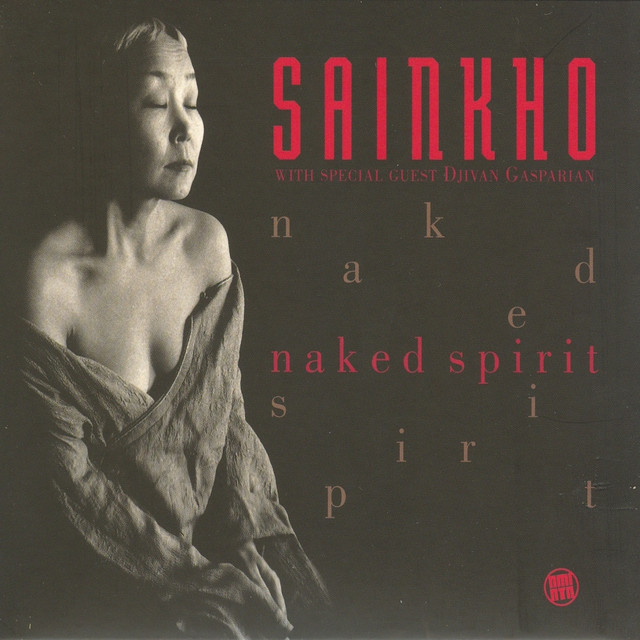
Key artists and ambassadors have helped bring throat singing to global audiences. Sainkho Namtchylak, a pioneering Tuva-born vocalist, popularized the art in concert halls and on recordings worldwide. Kongar-ool Ondar, a towering figure in the late 20th century, introduced the technique to countless listeners and collaborations outside its traditional sphere. Contemporary ensembles such as Huun-Huur-Tu and the Alash Ensemble have become standard-bearers, touring internationally, presenting traditional repertory alongside new commissions, and serving as living bridges between past and present.
Throat singing remains most popular in Tuva, Mongolia, and neighboring Siberian regions, where it is taught in families, gers, and schools. Its appeal, however, is global: festival stages across Europe, North America, Japan, and beyond host performances that reveal how a single voice can conjure a landscape—mountains, wind, rivers, and the weather itself. For listeners and players of world music, throat singing offers a rare immediacy: a direct line from ancient sound-worlds to contemporary imagination, proving that the voice, when pushed to its limits, can become more than one tone at a time.
Origins and history are often discussed in terms of place and culture. The most closely associated homes of throat singing are Tuva, a republic in the Russian Federation, and Mongolia's northern steppes. Many scholars link the practice to the region’s nomadic herding cultures, where people sang to imitate natural sounds—wind, rivers, birds, and animal calls—while tending reindeer, horses, and sheep. While the exact moment of birth is unknown, the tradition is ancient, enduring through centuries of social change. In written records and ethnographic studies, its prominence is strongest in Tuva and neighboring areas of Siberia and Mongolia, and it has since traveled far beyond its homeland.
Over the centuries, several regional styles and terms coalesced. In Tuva, three broadly recognized categories describe the sound. Khoomei is the umbrella term for a family of singing techniques that produce a human overtone while maintaining a steady drone; sygyt refers to a brighter, whistle-like overtone voice, often heard as an upper melodic line; and kargyraa is the deeper, huskier register, with a growling undertone. Mongolian traditions use related techniques under a similar flag of overtone singing, and the broader term xöömei is common there as well. Variants vary by village, troupe, and teacher, yet the core thrill remains: one voice, many tones.
Key artists and ambassadors have helped bring throat singing to global audiences. Sainkho Namtchylak, a pioneering Tuva-born vocalist, popularized the art in concert halls and on recordings worldwide. Kongar-ool Ondar, a towering figure in the late 20th century, introduced the technique to countless listeners and collaborations outside its traditional sphere. Contemporary ensembles such as Huun-Huur-Tu and the Alash Ensemble have become standard-bearers, touring internationally, presenting traditional repertory alongside new commissions, and serving as living bridges between past and present.
Throat singing remains most popular in Tuva, Mongolia, and neighboring Siberian regions, where it is taught in families, gers, and schools. Its appeal, however, is global: festival stages across Europe, North America, Japan, and beyond host performances that reveal how a single voice can conjure a landscape—mountains, wind, rivers, and the weather itself. For listeners and players of world music, throat singing offers a rare immediacy: a direct line from ancient sound-worlds to contemporary imagination, proving that the voice, when pushed to its limits, can become more than one tone at a time.