Genre
tibetan mantra
Top Tibetan mantra Artists
Showing 25 of 36 artists

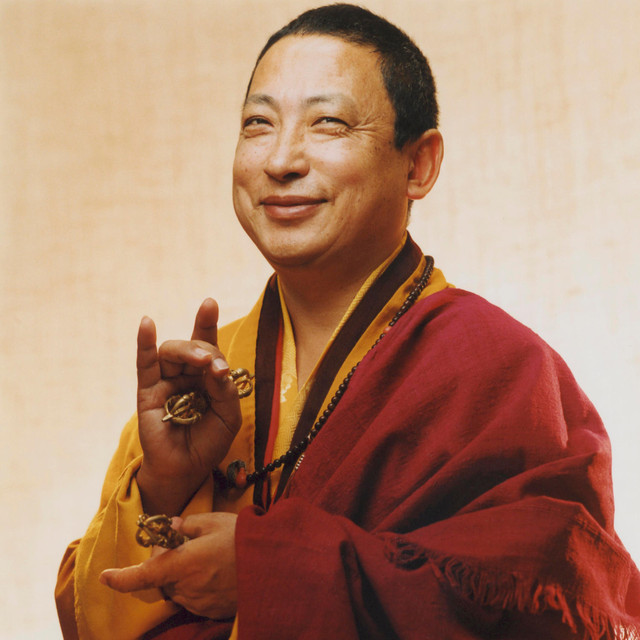

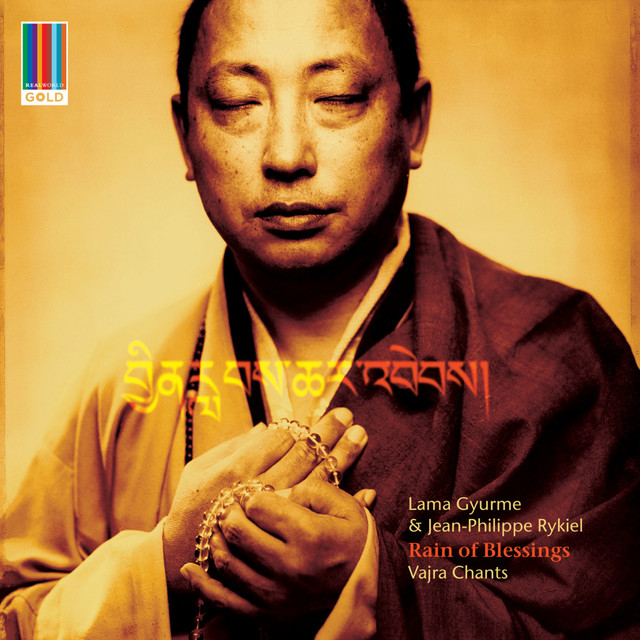
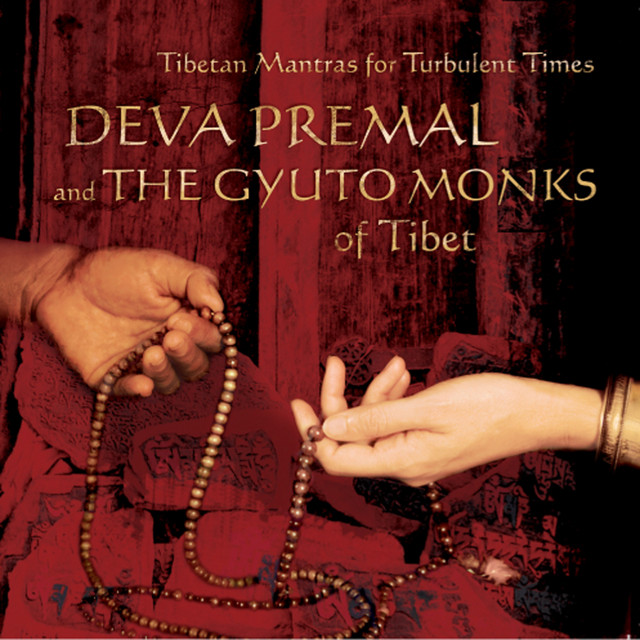
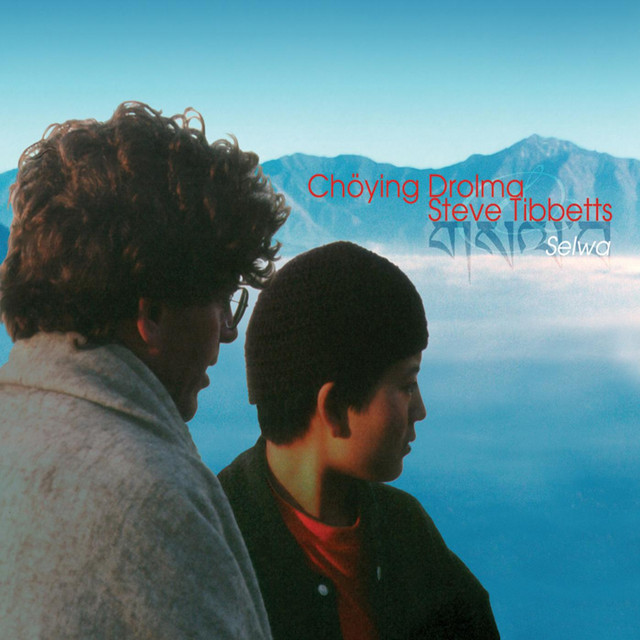
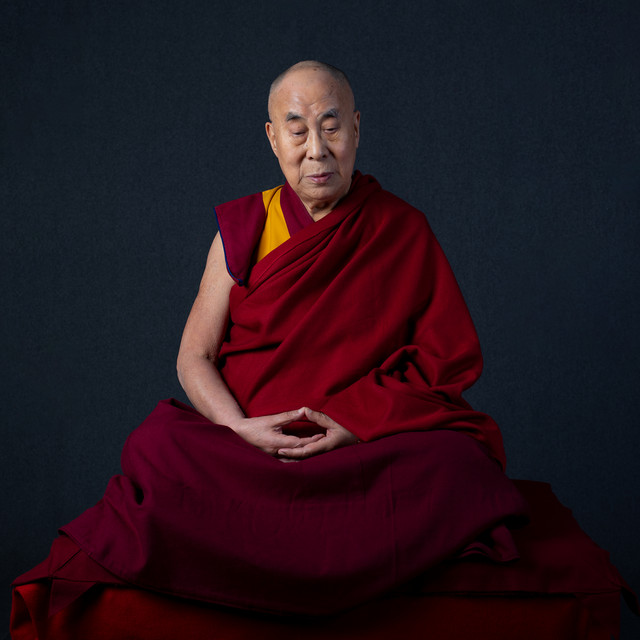
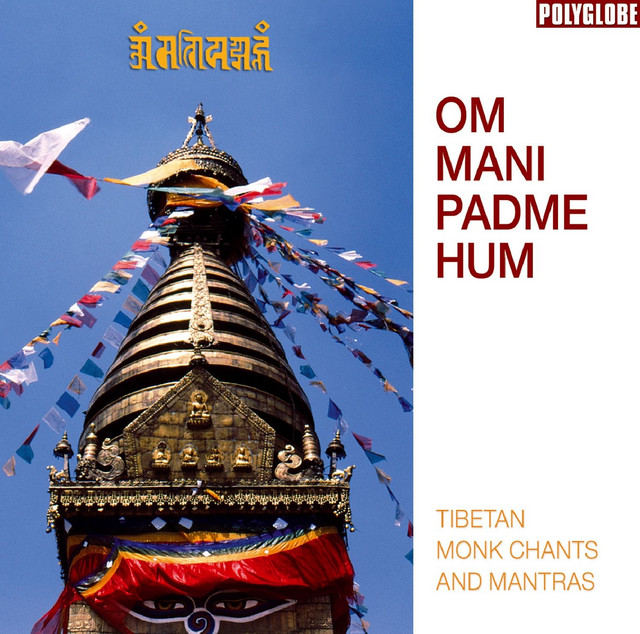


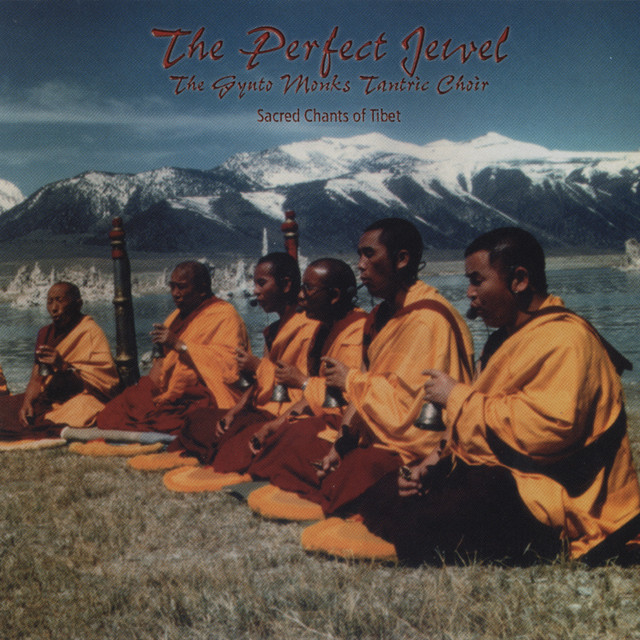

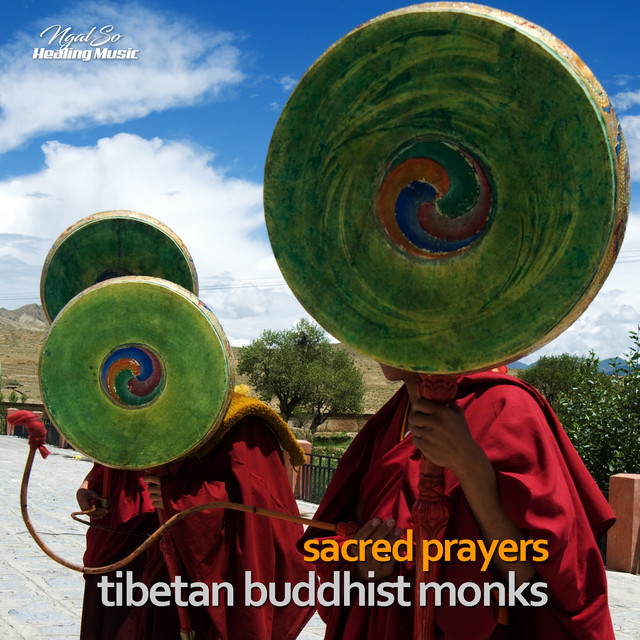
16

白玉措嘉謝拉達吉林寺女尼僧眾
168
707 listeners



About Tibetan mantra
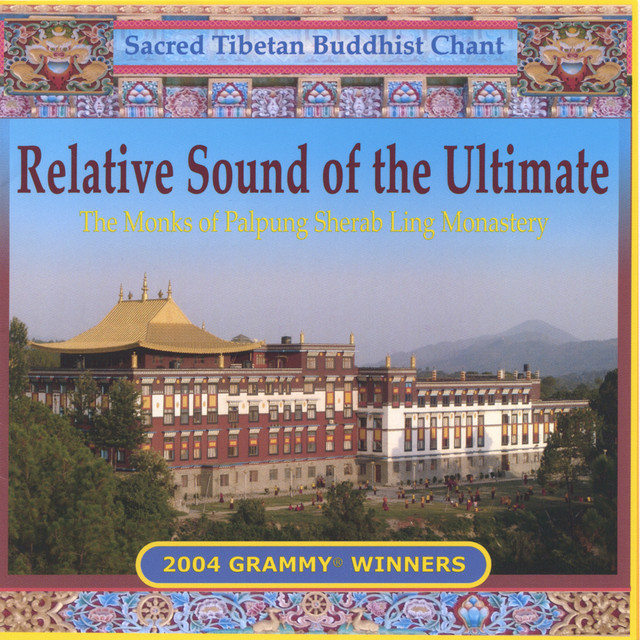
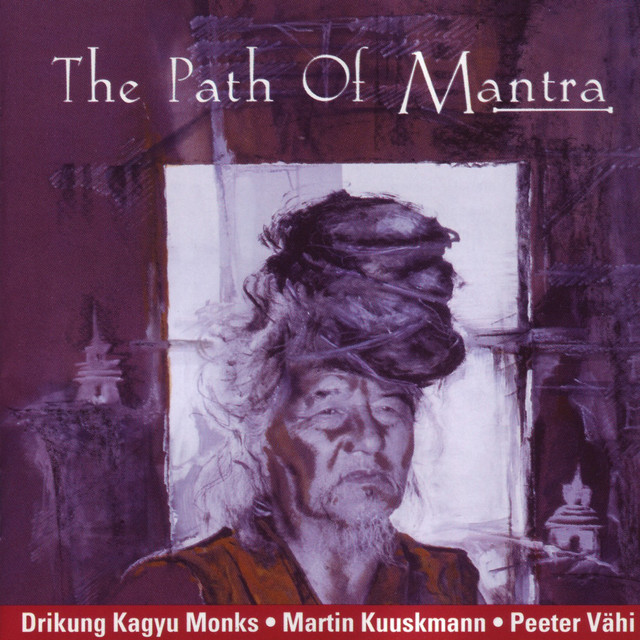
Tibetan mantra is a meditative, vocal-centric genre that sits at the crossroads of deep spiritual chant and contemporary ambient music. It centers on sacred syllables, prayers, and ritual phrases—most famously the mantra Om mani padme hum—performed in Tibetan or related Buddhist languages. The result is a spacious, reverberant soundscape built from breath, repetition, and devotion, often carried by bare voices, slow drones, and a minimal instrumental palette.
The roots of Tibetan mantra are centuries old within Tibetan Buddhism. Monastic communities developed structured chant traditions for rituals, initiations, and daily practice, where voices weave together in multi-part textures, sometimes in unison and other times in carefully tuned layers. In the 20th century, as Tibetan communities dispersed and global interest in Buddhist practice and mindfulness grew, these chants found a broader audience. Western listeners encountered them through ethnographic recordings, world music compilations, and the rise of new-age and ambient scenes that embraced meditative sound as a pathway to inner stillness. Over the past few decades, the genre has evolved from sacred ritual music to a flexible form that can accompany meditation sessions, film scores, and contemplative listening alike, while attempting to preserve the contemplative, sacred spirit of the originals.
Musically, Tibetan mantra is defined by restraint and intention. The vocal lines are often long, slowly paced, and heavily focused on breath and resonance. Many performances employ drones from traditional Tibetan bells, singing bowls, or simple, low-frequency synthesized textures to sustain a meditative atmosphere. The tonal language can be austere or lush, but always aims to support contemplation rather than overt emotional display. While the core material is sacred text—mantras, sutras, or liturgical invocations—the production context ranges from austere field recordings to lush, studio-produced soundscapes that blend ancient chant with contemporary ambient tactics, such as subtle reverb, stereo imaging, and gentle, morphing textures.
Ambassadors and key voices of the genre include both traditional practitioners and contemporary interpreters who’ve helped translate Tibetan mantra for a global audience. In the traditional vein, monastic choirs and solo monk-chant specialists from Tibetan centers continue to perform and preserve authentic liturgical pieces. On the modern side, artists such as Nawang Khechog, a Tibetan-born composer known for flute-led pieces informed by Buddhist chant, have become widely cited bridges between the tekhnè of ritual chant and accessible listening formats. Yungchen Lhamo, a Tibetan-born singer based in the West, has popularized Tibetan-inspired sacred singing through intimate, vocal-led albums and performances. Tenzin Choegyal, a Tibetan-Australian artist, has also helped bring Tibetan mantra and folk-inspired chant to international stages and festivals, illustrating how the genre travels beyond monastery walls while honoring its roots.
Geographically, Tibetan mantra enjoys audiences in its homeland’s cultural sphere—Nepal, India (especially the Himalayan corridor and exile communities in Dharamsala), Bhutan—and intensively in Western markets: the United States, the United Kingdom, Germany, France, and Scandinavia show strong listening bases. It also finds curious and supportive audiences in Australia, Japan, and other parts of Asia where interest in mindfulness and contemplative music is growing. For listeners, Tibetan mantra offers a listening experience that is at once rooted in sacred tradition and open to the expansive, contemplative possibilities of modern sound design.
The roots of Tibetan mantra are centuries old within Tibetan Buddhism. Monastic communities developed structured chant traditions for rituals, initiations, and daily practice, where voices weave together in multi-part textures, sometimes in unison and other times in carefully tuned layers. In the 20th century, as Tibetan communities dispersed and global interest in Buddhist practice and mindfulness grew, these chants found a broader audience. Western listeners encountered them through ethnographic recordings, world music compilations, and the rise of new-age and ambient scenes that embraced meditative sound as a pathway to inner stillness. Over the past few decades, the genre has evolved from sacred ritual music to a flexible form that can accompany meditation sessions, film scores, and contemplative listening alike, while attempting to preserve the contemplative, sacred spirit of the originals.
Musically, Tibetan mantra is defined by restraint and intention. The vocal lines are often long, slowly paced, and heavily focused on breath and resonance. Many performances employ drones from traditional Tibetan bells, singing bowls, or simple, low-frequency synthesized textures to sustain a meditative atmosphere. The tonal language can be austere or lush, but always aims to support contemplation rather than overt emotional display. While the core material is sacred text—mantras, sutras, or liturgical invocations—the production context ranges from austere field recordings to lush, studio-produced soundscapes that blend ancient chant with contemporary ambient tactics, such as subtle reverb, stereo imaging, and gentle, morphing textures.
Ambassadors and key voices of the genre include both traditional practitioners and contemporary interpreters who’ve helped translate Tibetan mantra for a global audience. In the traditional vein, monastic choirs and solo monk-chant specialists from Tibetan centers continue to perform and preserve authentic liturgical pieces. On the modern side, artists such as Nawang Khechog, a Tibetan-born composer known for flute-led pieces informed by Buddhist chant, have become widely cited bridges between the tekhnè of ritual chant and accessible listening formats. Yungchen Lhamo, a Tibetan-born singer based in the West, has popularized Tibetan-inspired sacred singing through intimate, vocal-led albums and performances. Tenzin Choegyal, a Tibetan-Australian artist, has also helped bring Tibetan mantra and folk-inspired chant to international stages and festivals, illustrating how the genre travels beyond monastery walls while honoring its roots.
Geographically, Tibetan mantra enjoys audiences in its homeland’s cultural sphere—Nepal, India (especially the Himalayan corridor and exile communities in Dharamsala), Bhutan—and intensively in Western markets: the United States, the United Kingdom, Germany, France, and Scandinavia show strong listening bases. It also finds curious and supportive audiences in Australia, Japan, and other parts of Asia where interest in mindfulness and contemplative music is growing. For listeners, Tibetan mantra offers a listening experience that is at once rooted in sacred tradition and open to the expansive, contemplative possibilities of modern sound design.