Genre
tibetan pop
Top Tibetan pop Artists
Showing 25 of 52 artists




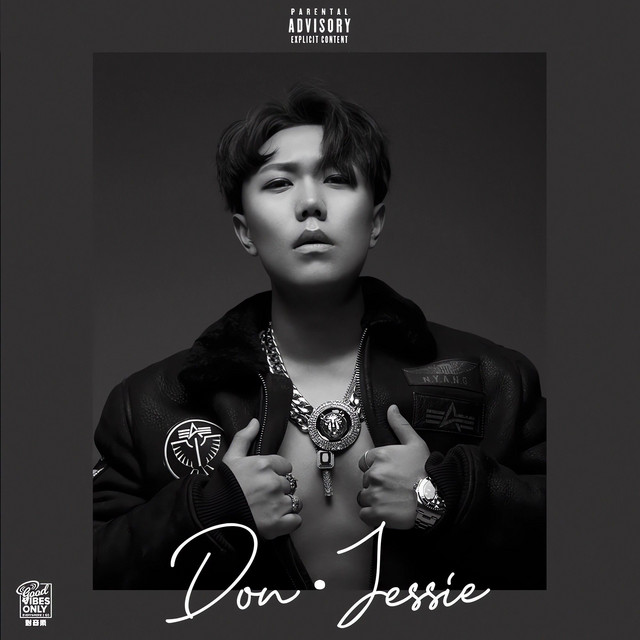

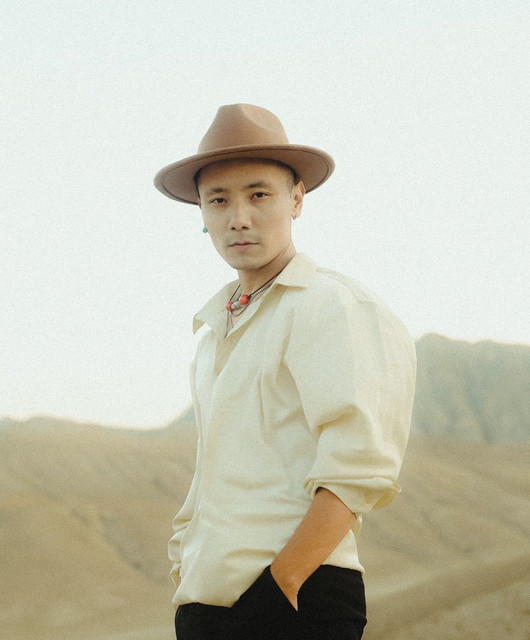


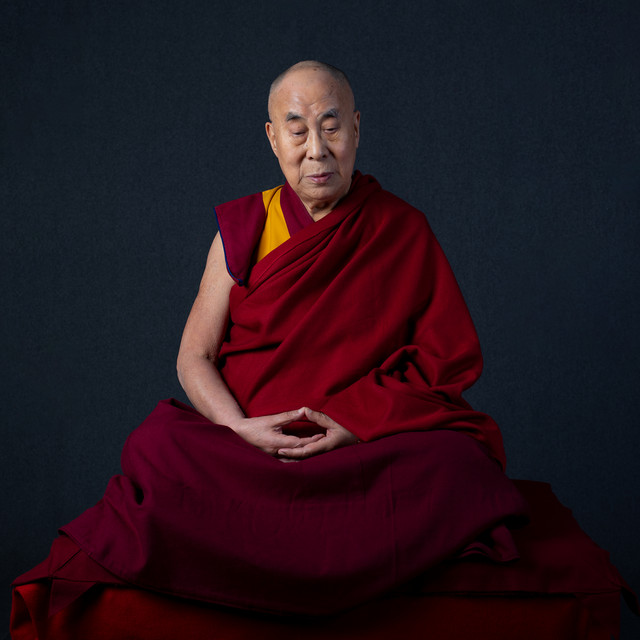
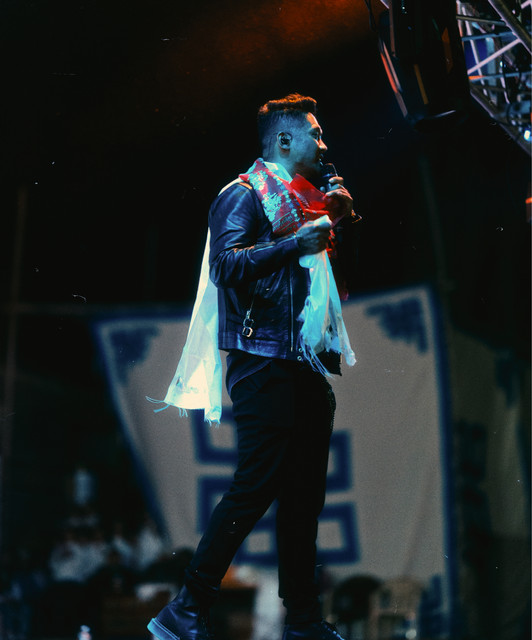






24
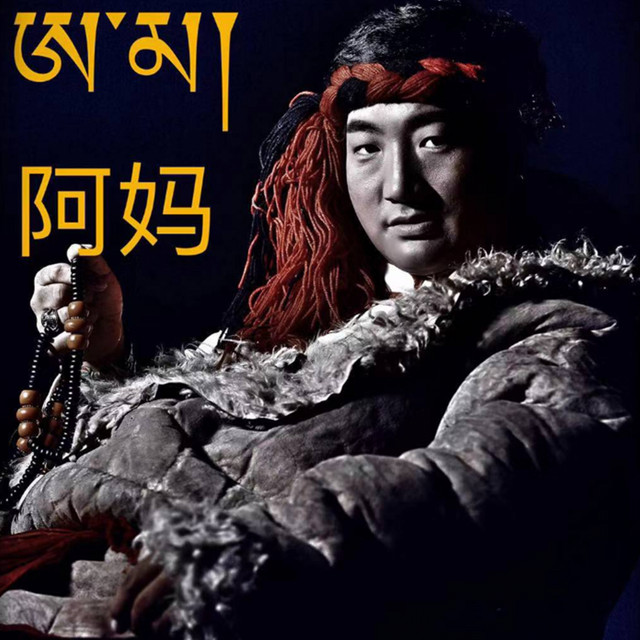
贡尕达哇
296
933 listeners

About Tibetan pop
Tibetan pop is a contemporary crossroads where Tibetan musical heritage meets global pop aesthetics. It is not a single, rigid sound but a family of songs that blend tibetan melodic sensibilities—such as distinctive modal scales, melodic ornamentation, and lyrical imagery tied to homeland, spirituality, and nomadic memory—with the energy, hooks, and production textures of Western pop, rock, hip‑hop, and electronic music. The result is music that feels both rooted and itinerant, able to travel between mountain valleys and city clubs.
Historically, Tibetan pop began to crystallize in the late 1990s and early 2000s, developing most visibly in the Tibetan-speaking world’s urban centers and, perhaps more influentially, within the expansive Tibetan diaspora. In Lhasa and other Tibetan towns, artists started experimenting with modern studio production while drawing on traditional folk songs, chants, and throat‑influenced timbres. At the same time, robust communities in Dharamsala, India, and other exile hubs nurtured independent studios, labels, and showcases where artists could fuse Tibetan lyricism with Western pop forms without facing the same constraints as earlier generations. The internet and social media then accelerated the genre’s reach, allowing a wider audience of Tibetan speakers and sympathizers to discover new sounds beyond their local scenes.
Musically, Tibetan pop often centers on accessible songcraft: clear verses and choruses, memorable hooks, and polished studio production. It frequently deploys traditional instruments—like regional wind instruments or percussive folk textures—alongside electric guitars, synths, and electronic beats. Lyrically, it can address identity, migration, and longing with a contemporary edge, balancing personal storytelling with the broader cultural narrative of Tibet in the modern world. Some tracks lean toward upbeat, radio-friendly formats, while others experiment with hip‑hop cadences, ambient soundscapes, or rock dynamics. The genre also demonstrates a cosmopolitan openness: bilingual or multilingual lyrics appear in some records, and collaborations with artists from India, Nepal, Europe, and North America have helped Tibetan pop stay connected to global popular music currents.
Geographically, Tibetan pop is most vibrant within Tibetan-speaking communities in Tibet, Qinghai and Sichuan’s Tibetan areas, as well as in Indian settlements around Dharamsala and Bylakuppe. It has a strong foothold in Nepal and Bhutan too, where Tibetan culture intersects with local musical traditions. Across the globe, the Tibetan diaspora in North America, Europe, and Australia has embraced the music as a form of cultural identity and artistic exploration, contributing to festival bills, online platforms, and world-music circuits. In these scenes, artists act as ambassadors—uniting tradition with modernity, and broadcasting Tibetan voices to a worldwide audience.
For enthusiasts, Tibetan pop offers a doorway into a vibrant, evolving scene that refuses to be pigeonholed. It is a living intersection of language, memory, and sound—where the old melodies rehearse new tempos and the mountains meet the metropolis. If you’re curious, dive into a curated mix of tracks from the diaspora and the homeland, and you’ll hear a genre in motion: modern, global, and unmistakably Tibetan.
Historically, Tibetan pop began to crystallize in the late 1990s and early 2000s, developing most visibly in the Tibetan-speaking world’s urban centers and, perhaps more influentially, within the expansive Tibetan diaspora. In Lhasa and other Tibetan towns, artists started experimenting with modern studio production while drawing on traditional folk songs, chants, and throat‑influenced timbres. At the same time, robust communities in Dharamsala, India, and other exile hubs nurtured independent studios, labels, and showcases where artists could fuse Tibetan lyricism with Western pop forms without facing the same constraints as earlier generations. The internet and social media then accelerated the genre’s reach, allowing a wider audience of Tibetan speakers and sympathizers to discover new sounds beyond their local scenes.
Musically, Tibetan pop often centers on accessible songcraft: clear verses and choruses, memorable hooks, and polished studio production. It frequently deploys traditional instruments—like regional wind instruments or percussive folk textures—alongside electric guitars, synths, and electronic beats. Lyrically, it can address identity, migration, and longing with a contemporary edge, balancing personal storytelling with the broader cultural narrative of Tibet in the modern world. Some tracks lean toward upbeat, radio-friendly formats, while others experiment with hip‑hop cadences, ambient soundscapes, or rock dynamics. The genre also demonstrates a cosmopolitan openness: bilingual or multilingual lyrics appear in some records, and collaborations with artists from India, Nepal, Europe, and North America have helped Tibetan pop stay connected to global popular music currents.
Geographically, Tibetan pop is most vibrant within Tibetan-speaking communities in Tibet, Qinghai and Sichuan’s Tibetan areas, as well as in Indian settlements around Dharamsala and Bylakuppe. It has a strong foothold in Nepal and Bhutan too, where Tibetan culture intersects with local musical traditions. Across the globe, the Tibetan diaspora in North America, Europe, and Australia has embraced the music as a form of cultural identity and artistic exploration, contributing to festival bills, online platforms, and world-music circuits. In these scenes, artists act as ambassadors—uniting tradition with modernity, and broadcasting Tibetan voices to a worldwide audience.
For enthusiasts, Tibetan pop offers a doorway into a vibrant, evolving scene that refuses to be pigeonholed. It is a living intersection of language, memory, and sound—where the old melodies rehearse new tempos and the mountains meet the metropolis. If you’re curious, dive into a curated mix of tracks from the diaspora and the homeland, and you’ll hear a genre in motion: modern, global, and unmistakably Tibetan.