Genre
tollywood
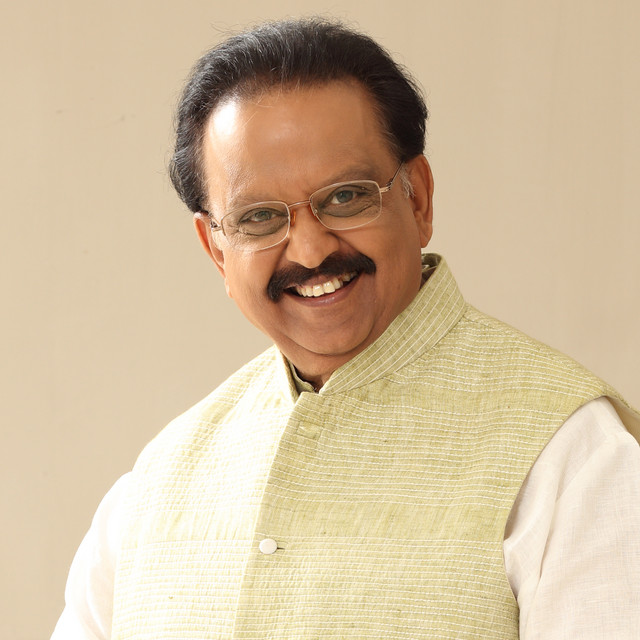
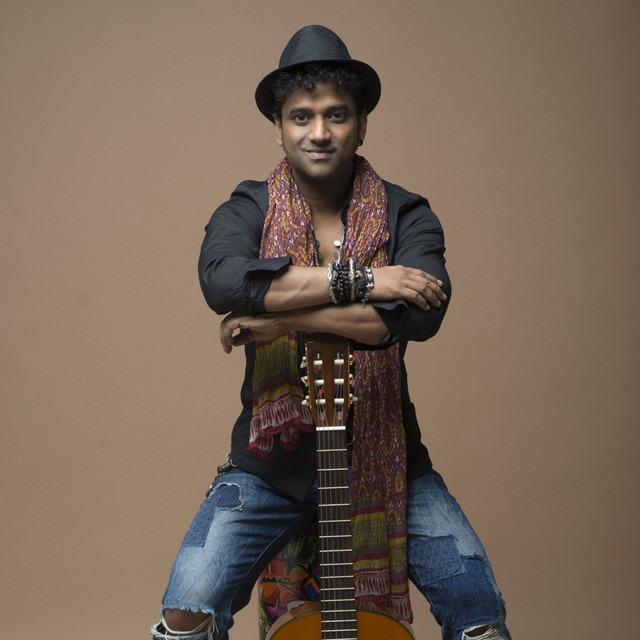
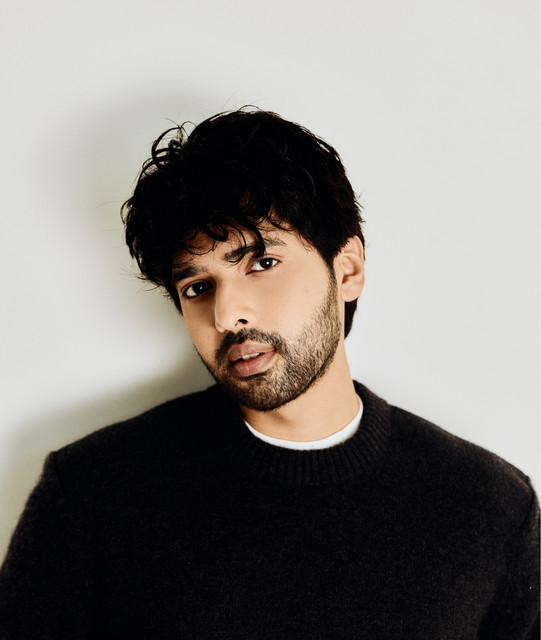
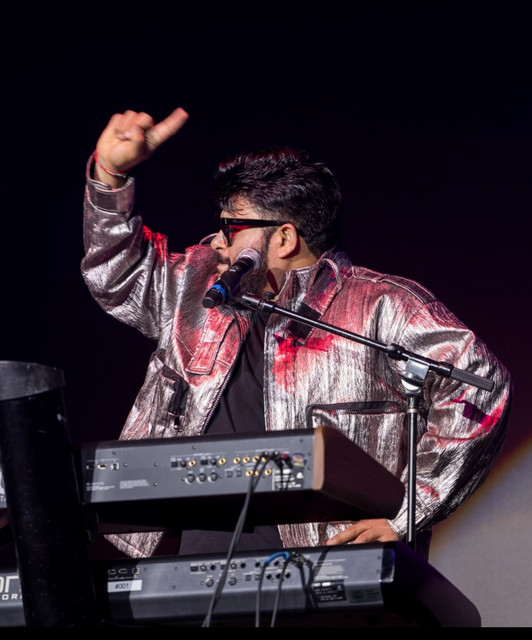
Top Tollywood Artists
Showing 25 of 1,147 artists











About Tollywood
Tollywood refers to the music of the Telugu-language film industry, the cinema hub centered in Hyderabad. Far more than a soundtrack for films, Tollywood's music tradition is a distinct sonic world that blends classical roots with popular songcraft, danceable rhythms, and, in recent decades, global production sensibilities. For music enthusiasts, it offers a living archive of how melody, rhythm, and storytelling intersect in one of India’s most prolific film cultures.
Origins and evolution
Telugu cinema began its sound era in the early 1930s, with Bhakta Prahlada (1932) among the first Telugu talkies. From those roots, film music absorbed the classical vocabulary of Carnatic music, regional folk idioms, and devotional repertories, gradually expanding to include orchestral arrangements and Western influences. The mid-20th century cemented Tollywood’s musical language through star playback singers who became household voices and through composers who could fuse mood, drama, and melody into memorable songs. Ghantasala Venkateswara Sastry, a towering figure of the 1940s–60s, helped elevate Telugu film songs to a revered, almost ceremonial status with his rich voice and devotional repertoire. His era established a standard of melodic clarity that many generations would reference.
Key artists and ambassadors
Tollywood’s pantheon of ambassadors is wide and multi-generational. Ghantasala is often cited as the foundational voice of classic Telugu cinema. Playback stalwarts S. P. Balasubrahmanyam and P. Susheela carried Tollywood songs across decades, shaping the sound for film stars and audiences alike with lush, expressive performances in multiple languages. On the composition side, Saluri Rajeswara Rao and K. V. Mahadevan were among the early architects of a distinctly Telugu musical syntax, combining Classical ragas with accessible melodic lines. The late 20th century saw the Raj–Koti duo revolutionize popular Telugu film music with high-energy, mass-appeal scores that defined a generation. The 1990s and 2000s brought a prolific new wave: M. M. Keeravani (Maragathamani) gained global attention for the Baahubali soundtrack, showing how Tollywood music could stand shoulder to shoulder with international production values. Contemporary ambassadors like Devi Sri Prasad (DSP) and Thaman S continue to push the sound into festival-sized, globally accessible anthems, while vocalists such as Chitra and contemporary playback talents maintain the tradition of expressive, melodic storytelling.
Praise and reach
Tollywood music thrives on the emotional translation of cinema—romance, tragedy, heroism—through song. It remains deeply popular in Andhra Pradesh and Telangana, where the film industry is anchored, but its appeal extends far beyond: Telugu-speaking diasporas in the United States, United Arab Emirates, the United Kingdom, Canada, Australia, Singapore, and Malaysia actively follow new releases. The genre’s cross-border appeal grows with streaming platforms that expose listeners to film songs alongside independent music, enabling Tollywood’s melodies to travel faster and farther than ever.
Why it matters to music enthusiasts
Tollywood music offers a compelling study in how regional traditions merge with universal pop instincts: melodic hooks rooted in Carnatic tradition, rhythmic innovations that suit elaborate dance sequences, and production techniques that blend acoustic and electronic textures. For collectors, composers, and listeners who savor the drama of cinema, Tollywood is a dynamic, evolving school of orchestration and sentiment—where every song is both a piece of history and a doorway to the next cinematic moment.
Origins and evolution
Telugu cinema began its sound era in the early 1930s, with Bhakta Prahlada (1932) among the first Telugu talkies. From those roots, film music absorbed the classical vocabulary of Carnatic music, regional folk idioms, and devotional repertories, gradually expanding to include orchestral arrangements and Western influences. The mid-20th century cemented Tollywood’s musical language through star playback singers who became household voices and through composers who could fuse mood, drama, and melody into memorable songs. Ghantasala Venkateswara Sastry, a towering figure of the 1940s–60s, helped elevate Telugu film songs to a revered, almost ceremonial status with his rich voice and devotional repertoire. His era established a standard of melodic clarity that many generations would reference.
Key artists and ambassadors
Tollywood’s pantheon of ambassadors is wide and multi-generational. Ghantasala is often cited as the foundational voice of classic Telugu cinema. Playback stalwarts S. P. Balasubrahmanyam and P. Susheela carried Tollywood songs across decades, shaping the sound for film stars and audiences alike with lush, expressive performances in multiple languages. On the composition side, Saluri Rajeswara Rao and K. V. Mahadevan were among the early architects of a distinctly Telugu musical syntax, combining Classical ragas with accessible melodic lines. The late 20th century saw the Raj–Koti duo revolutionize popular Telugu film music with high-energy, mass-appeal scores that defined a generation. The 1990s and 2000s brought a prolific new wave: M. M. Keeravani (Maragathamani) gained global attention for the Baahubali soundtrack, showing how Tollywood music could stand shoulder to shoulder with international production values. Contemporary ambassadors like Devi Sri Prasad (DSP) and Thaman S continue to push the sound into festival-sized, globally accessible anthems, while vocalists such as Chitra and contemporary playback talents maintain the tradition of expressive, melodic storytelling.
Praise and reach
Tollywood music thrives on the emotional translation of cinema—romance, tragedy, heroism—through song. It remains deeply popular in Andhra Pradesh and Telangana, where the film industry is anchored, but its appeal extends far beyond: Telugu-speaking diasporas in the United States, United Arab Emirates, the United Kingdom, Canada, Australia, Singapore, and Malaysia actively follow new releases. The genre’s cross-border appeal grows with streaming platforms that expose listeners to film songs alongside independent music, enabling Tollywood’s melodies to travel faster and farther than ever.
Why it matters to music enthusiasts
Tollywood music offers a compelling study in how regional traditions merge with universal pop instincts: melodic hooks rooted in Carnatic tradition, rhythmic innovations that suit elaborate dance sequences, and production techniques that blend acoustic and electronic textures. For collectors, composers, and listeners who savor the drama of cinema, Tollywood is a dynamic, evolving school of orchestration and sentiment—where every song is both a piece of history and a doorway to the next cinematic moment.