Genre
japanese viral pop
Top Japanese viral pop Artists
Showing 22 of 22 artists
1

しゃろう
Japan
220,785
391,009 listeners

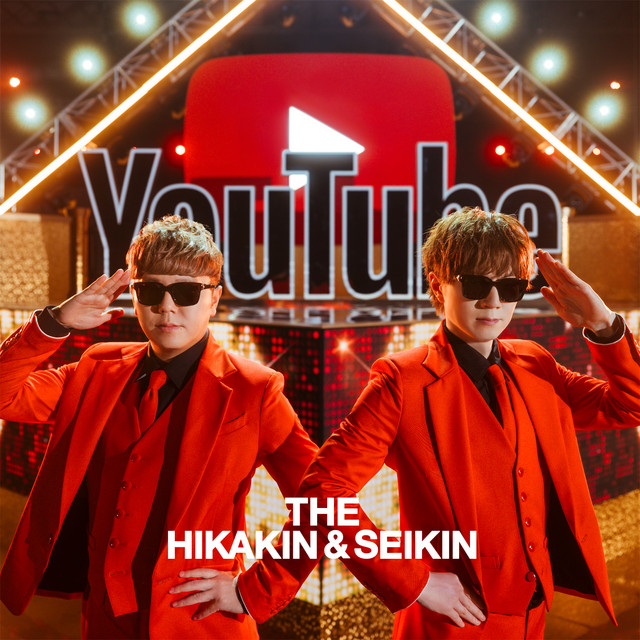
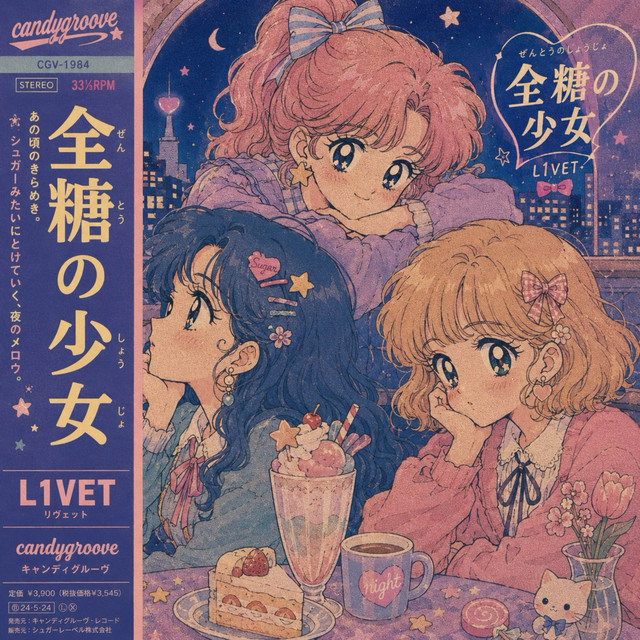
5

ののちゃん(村方乃々佳)
25,543
60,260 listeners
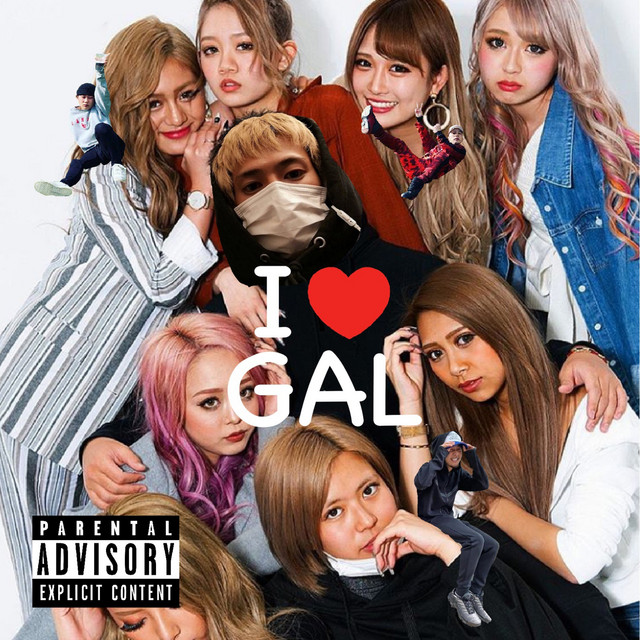



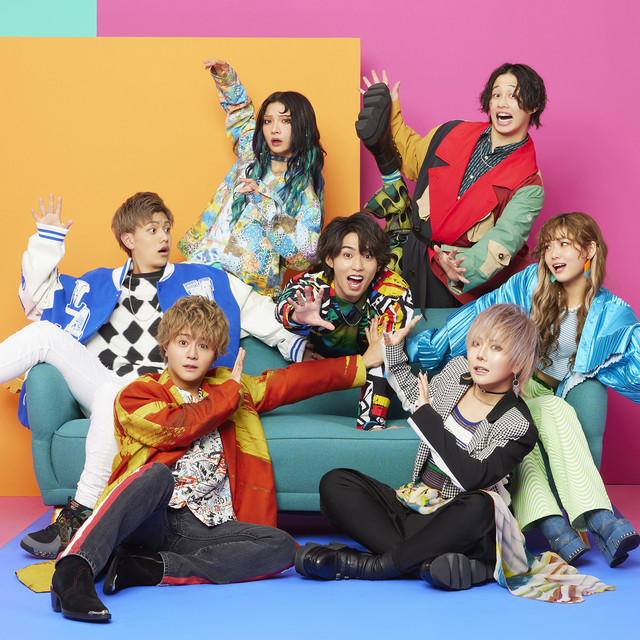
12

なかねかな。
Japan
8,940
13,815 listeners

15

りん
3,186
4,161 listeners
16

那須川 天心
2,341
4,143 listeners
17

七草くりむ
Japan
1,650
2,502 listeners



21

あーたろ
7,781
162 listeners
22

あかね
449
78 listeners
About Japanese viral pop
Japanese viral pop is a descriptive label for a strand of J-pop where a song’s fate is decided not by radio play alone but by its spread across screens: YouTube, Nico Nico Douga, TikTok, Instagram, and streaming platforms. Songs in this vein tend to be hook-first, compact (often 2–3 minutes), and designed for repeat viewing. They are as much about the video concept, the choreography, and the meme potential as about the melody. The result is a shareable package that can travel quickly from a studio to a global audience, carried by visuals, dances, and playful aesthetics as much as by the music itself.
Origins trace back to Japan’s early 2010s digital ecosystem. The rise of user-generated video culture on Nico Nico Douga and the meteoric popularity of Vocaloid characters—especially Hatsune Miku—showed that a catchy tune could become a phenomenon without a traditional artist’s live persona. This era also produced a visual vocabulary: bright colors, whimsical fashion, and choreographies designed for online circulation. Kyary Pamyu Pamyu became a household name with PonPonPon in 2011, a video that fused Harajuku fashion with surreal imagery and meme-ready moments. Perfume, with their sleek electro-pop and meticulously crafted videos, demonstrated how high-concept visuals could amplify a pop hook. By the mid-2010s, “Japanese viral pop” had crystallized as a recognizable force: short, glossy, and media-friendly music designed to be shared.
Key artists and ambassadors embodying the genre’s DNA are varied but share certain traits: strong visual identity, accessibility across languages, and a willingness to ride internet trends. Hatsune Miku, the virtual idol created for Vocaloid software, is arguably the genre’s most influential ambassador, with global fan events and concerts that travel through digital space as much as physical stages. Kyary Pamyu Pamyu remains a touchstone for meme-driven, color-saturated pop videos. Perfume represents the precision-engineered side of viral pop—robotic, catchy, and staggeringly polished in their visual campaigns. Piko-Taro’s PPAP (Pen-Pineapple-Apple-Pen) became a universal meme in 2016, illustrating how a purely simple concept can spread worldwide in days. Beyond these, contemporary acts that blend irresistible hooks with media-savvy releases—such as electro-pop outfits and dance-centric videos—continue to push the genre forward.
In terms of geography, Japanese viral pop is most at home in Japan, where streaming culture, idol ecosystems, and media experimentation are deeply entrenched. It also maintains strong footholds in East Asia—Taiwan, Hong Kong, South Korea—where fans appreciate pop that looks and sounds distinctly Japanese. Southeast Asia hosts vibrant communities cultivated by anime, gaming, and memes, while in North America and Europe a niche but passionate audience exists among J-pop fans, Vocaloid communities, and anime conventions. The rise of short-form video has only broadened its reach, turning a catchy chorus into a cultural moment across borders.
For listeners, the experience is a cycle: a catchy hook, a vivid video concept, a dance move, a meme, a new remix, and another share. Japanese viral pop is not just a sound; it’s an internet-driven ecosystem where music and visuals converge to spark global conversations in hours rather than weeks.
Origins trace back to Japan’s early 2010s digital ecosystem. The rise of user-generated video culture on Nico Nico Douga and the meteoric popularity of Vocaloid characters—especially Hatsune Miku—showed that a catchy tune could become a phenomenon without a traditional artist’s live persona. This era also produced a visual vocabulary: bright colors, whimsical fashion, and choreographies designed for online circulation. Kyary Pamyu Pamyu became a household name with PonPonPon in 2011, a video that fused Harajuku fashion with surreal imagery and meme-ready moments. Perfume, with their sleek electro-pop and meticulously crafted videos, demonstrated how high-concept visuals could amplify a pop hook. By the mid-2010s, “Japanese viral pop” had crystallized as a recognizable force: short, glossy, and media-friendly music designed to be shared.
Key artists and ambassadors embodying the genre’s DNA are varied but share certain traits: strong visual identity, accessibility across languages, and a willingness to ride internet trends. Hatsune Miku, the virtual idol created for Vocaloid software, is arguably the genre’s most influential ambassador, with global fan events and concerts that travel through digital space as much as physical stages. Kyary Pamyu Pamyu remains a touchstone for meme-driven, color-saturated pop videos. Perfume represents the precision-engineered side of viral pop—robotic, catchy, and staggeringly polished in their visual campaigns. Piko-Taro’s PPAP (Pen-Pineapple-Apple-Pen) became a universal meme in 2016, illustrating how a purely simple concept can spread worldwide in days. Beyond these, contemporary acts that blend irresistible hooks with media-savvy releases—such as electro-pop outfits and dance-centric videos—continue to push the genre forward.
In terms of geography, Japanese viral pop is most at home in Japan, where streaming culture, idol ecosystems, and media experimentation are deeply entrenched. It also maintains strong footholds in East Asia—Taiwan, Hong Kong, South Korea—where fans appreciate pop that looks and sounds distinctly Japanese. Southeast Asia hosts vibrant communities cultivated by anime, gaming, and memes, while in North America and Europe a niche but passionate audience exists among J-pop fans, Vocaloid communities, and anime conventions. The rise of short-form video has only broadened its reach, turning a catchy chorus into a cultural moment across borders.
For listeners, the experience is a cycle: a catchy hook, a vivid video concept, a dance move, a meme, a new remix, and another share. Japanese viral pop is not just a sound; it’s an internet-driven ecosystem where music and visuals converge to spark global conversations in hours rather than weeks.