Genre
traditional forró
Top Traditional forró Artists
Showing 11 of 11 artists






About Traditional forró
Traditional forró is a cornerstone of the Brazilian Northeast’s musical landscape, a danceable tradition that has traveled from rural festa to international stages while preserving a distinctly regional savor. Born from the fertile exchange of Afro-Brazilian rhythms, European folk forms and the sertanejo spirit of the interior, forró crystallized in the early to mid-20th century as a popular music of the baião, xote and marcha families, all of them rooted in the rhythms and celebrations of the Northeast.
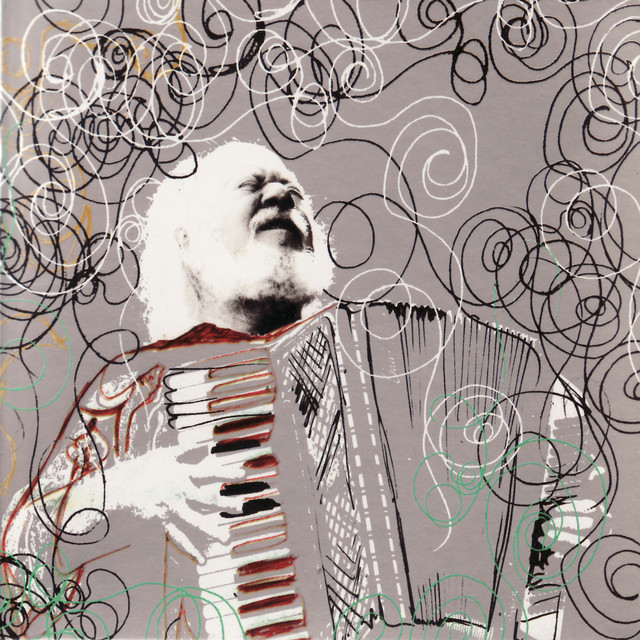
The term forró itself likely derives from forrobodó, a word signifying merrymaking and lively dance. In its traditional heyday, forró was chiefly a rural sound, performed in villages and at town squares during June festas—São João and Santo Antônio celebrations that still anchor the genre’s social life. The quintessential traditional forró persists as forró pé de serra, a setup centered on a small, intimate trio: the accordion (sanfona), the zabumba (a bass drum-like instrument), and the triangle. This trio crafts a warm, percussive and highly melodic texture, where the accordion carries the sustained, lyrical lines, while the zabumba and triangle lock the rhythm with a propulsive, dance-friendly pulse. Repertoires swing between baião—often fast and syncopated—xote, a lighter, 2/4-tinged dance, and marcha, a more martial, straightforward groove. The dancers’ steps—tight, close partner work with a playful bounce—are as much a part of forró as the instruments themselves.
Among the genre’s most influential voices are its ambassadors. Luiz Gonzaga, the so-called King of Baião, popularized the sound nationwide in the 1940s and 1950s, elevating regional tunes like Asa Branca to iconic status. He did so in collaboration with Humberto Teixeira and Zé Dantas, crafting songs that spoke of drought, longing and the everyday life of the sertão while embracing a broad audience. Gonzaga’s recordings—and his dynamic stage presence—helped transform forró from a local dance form into a national phenomenon. Other pivotal figures include Dominguinhos, a master accordionist and composer who carried the tradition forward with technical brilliance and a feeling for its storytelling. The Trio Nordestino, formed in the 1950s, became a celebrated banner-carrier of the traditional ensemble format, while artists like Jackson do Pandeiro helped fuse forró with broader Brazilian popular music, widening its appeal. Marinês, often celebrated as a leading lady of forró in its mid-20th-century evolution, further broadened the genre’s reach with compelling performances and recordings.
Forró’s popularity is strongest in Brazil, particularly in the Northeast states of Pernambuco, Ceará, Paraíba, Rio Grande do Norte and neighboring regions, where São João celebrations keep the music central to community life. In recent decades, it has also found enthusiastic audiences abroad—especially in Portugal, North America (notably in cities with vibrant Brazilian communities), and parts of Europe and Japan—through festivals, dance schools and world-music scenes that celebrate Brazilian rhythms and the infectious joy of forró.
Traditional forró remains a music of gathering and storytelling: a sound that invites you to dance, listen closely to the heart of the Northeast, and feel the pulse of a living regional culture that keeps evolving while staying deeply rooted in its origins.
The term forró itself likely derives from forrobodó, a word signifying merrymaking and lively dance. In its traditional heyday, forró was chiefly a rural sound, performed in villages and at town squares during June festas—São João and Santo Antônio celebrations that still anchor the genre’s social life. The quintessential traditional forró persists as forró pé de serra, a setup centered on a small, intimate trio: the accordion (sanfona), the zabumba (a bass drum-like instrument), and the triangle. This trio crafts a warm, percussive and highly melodic texture, where the accordion carries the sustained, lyrical lines, while the zabumba and triangle lock the rhythm with a propulsive, dance-friendly pulse. Repertoires swing between baião—often fast and syncopated—xote, a lighter, 2/4-tinged dance, and marcha, a more martial, straightforward groove. The dancers’ steps—tight, close partner work with a playful bounce—are as much a part of forró as the instruments themselves.
Among the genre’s most influential voices are its ambassadors. Luiz Gonzaga, the so-called King of Baião, popularized the sound nationwide in the 1940s and 1950s, elevating regional tunes like Asa Branca to iconic status. He did so in collaboration with Humberto Teixeira and Zé Dantas, crafting songs that spoke of drought, longing and the everyday life of the sertão while embracing a broad audience. Gonzaga’s recordings—and his dynamic stage presence—helped transform forró from a local dance form into a national phenomenon. Other pivotal figures include Dominguinhos, a master accordionist and composer who carried the tradition forward with technical brilliance and a feeling for its storytelling. The Trio Nordestino, formed in the 1950s, became a celebrated banner-carrier of the traditional ensemble format, while artists like Jackson do Pandeiro helped fuse forró with broader Brazilian popular music, widening its appeal. Marinês, often celebrated as a leading lady of forró in its mid-20th-century evolution, further broadened the genre’s reach with compelling performances and recordings.
Forró’s popularity is strongest in Brazil, particularly in the Northeast states of Pernambuco, Ceará, Paraíba, Rio Grande do Norte and neighboring regions, where São João celebrations keep the music central to community life. In recent decades, it has also found enthusiastic audiences abroad—especially in Portugal, North America (notably in cities with vibrant Brazilian communities), and parts of Europe and Japan—through festivals, dance schools and world-music scenes that celebrate Brazilian rhythms and the infectious joy of forró.
Traditional forró remains a music of gathering and storytelling: a sound that invites you to dance, listen closely to the heart of the Northeast, and feel the pulse of a living regional culture that keeps evolving while staying deeply rooted in its origins.