Genre
trap antillais
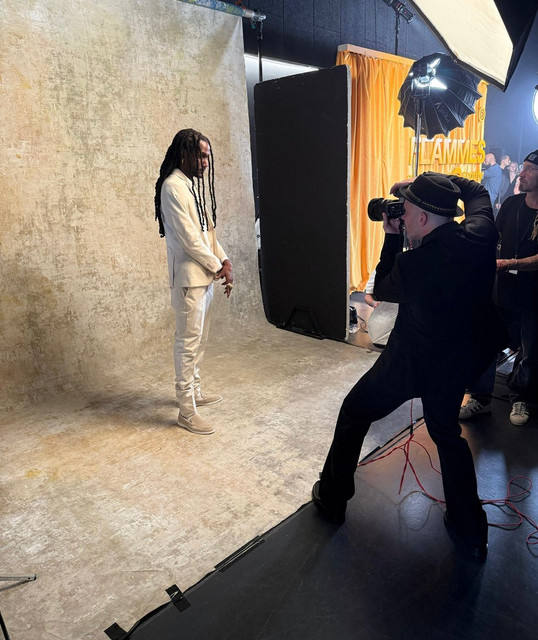
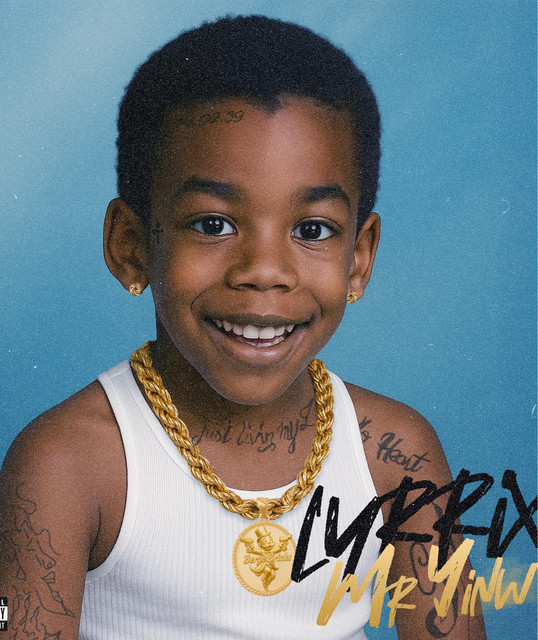
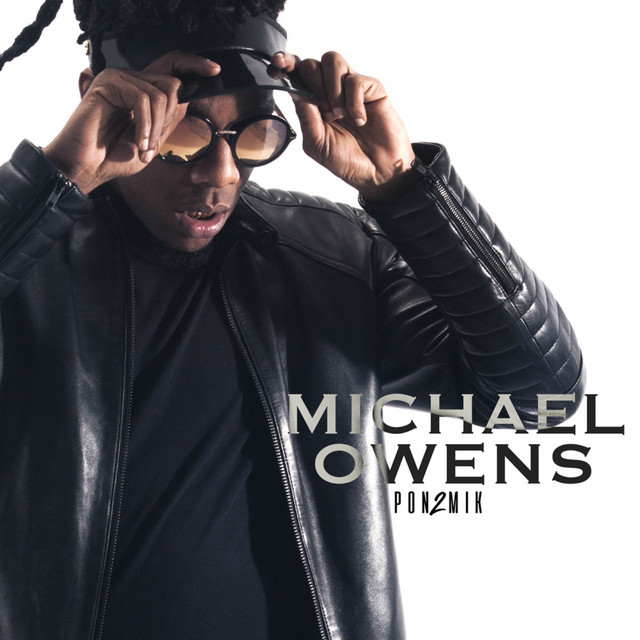
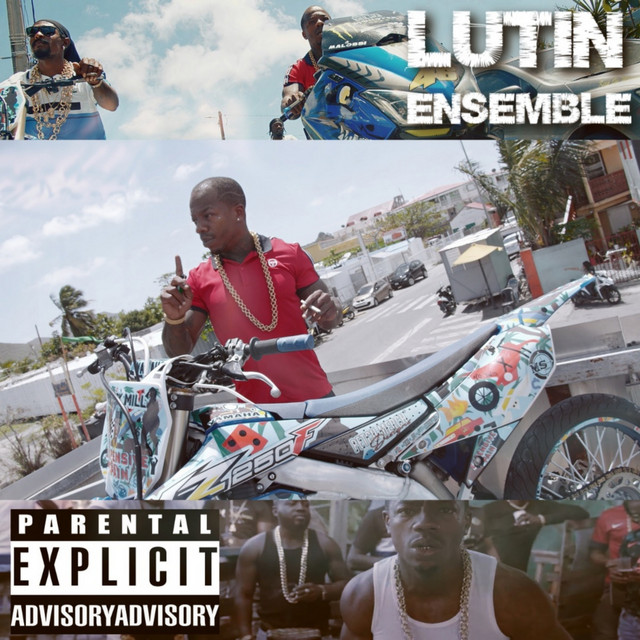
Top Trap antillais Artists
Showing 25 of 31 artists











About Trap antillais
Trap Antillais is a vibrant, hybrid branch of trap that fuses the hard-hitting drum programs of US-born trap with the musical textures and rhythms of the French Antilles. Born from the late-2010s wave of Caribbean-creole identity crossing into the broader French rap and global trap scenes, it grew out of the Guadeloupean and Martiniquais diasporas both on the islands and in metropolitan France. Producers began pairing crisp 808s and sparse hi-hat patterns with Caribbean percussion lines and bilingual or Creole-infused lyrics, giving birth to a sound that hits hard in clubs but also carries a distinctly tropical, celebratory pulse.
What defines the sound
- Rhythm and tempo: Trap Antillais typically stays within the confident, mid-to-fast range of trap tempos, but it anchored by percussion from Caribbean traditions. You’ll hear a blend of trap’s syncopated hi-hats and snappy snare lines with tambour-like hits, congas, and other native percussion that give the beat a dancefloor, carnival-ready snap.
- Melodic and harmonic color: Producers often layer moody piano melodies or synth pads with bright, sun-soaked hooks. The result is a contrast between street-hard bass and warm, melodic phrases that evoke both late-night city vibes and island sun.
- Language and delivery: Lyrics switch between French, Caribbean Creoles, and patois, sometimes within the same track. Delivery ranges from straightforward raps to more melodic, chant-like cadences that invite call-and-response in clubs.
- Lyrical themes: The genre frequently covers street realism, personal resilience, party culture, and diaspora life—the tension and pride of existing between islands and mainland cities, memory of home, and the allure of nightlife.
Cultural context and reach
Trap Antillais sits at the crossroads of Caribbean culture and global trap, acting as a bridge between carnival energy and metropolitan club scenes. It has found a receptive audience in France—especially in Paris and other major cities with strong Antillean communities—as well as in the French Caribbean territories of Guadeloupe and Martinique. Beyond these, it resonates with Francophone Caribbean diaspora communities in Canada, Belgium, and parts of the United States, where francophone and Caribbean sounds mingle with local rap and dancehall scenes. The genre’s popularity reflects a broader trend: regional sounds remix global templates to tell local stories, turning club culture into a space for cultural pride and cross-cultural dialogue.
Ambassadors and rising voices
The scene’s ambassadors are often producers and MCs rooted in Guadeloupe, Martinique, Haiti, and other Caribbean hubs who collaborate with the broader French rap ecosystem. They are recognized for pushing the sound beyond “trap with a Caribbean flavor” into a distinct, recognizable mode—one that can move a crowd while still carrying a sense of place and belonging. These artists tend to be noted for energetic live performances, strong local followings, and collaborations that bring Antillean rhythms into mainstream trap contexts.
Why it matters to enthusiasts
For listeners who crave a music that feels both club-ready and culturally specific, Trap Antillais offers immediacy and authenticity. It delivers the punch of contemporary trap while carrying the heat, color, and storytelling of the Antilles. It’s a genre in motion—evolving with every collaboration, every new producer kit, and every voice that adds a Creole-tinged cadence to the beat. If you’re exploring the global expansion of trap, Trap Antillais is a compelling chapter—rooted in place, vibrant in sound, and expansive in its potential.
What defines the sound
- Rhythm and tempo: Trap Antillais typically stays within the confident, mid-to-fast range of trap tempos, but it anchored by percussion from Caribbean traditions. You’ll hear a blend of trap’s syncopated hi-hats and snappy snare lines with tambour-like hits, congas, and other native percussion that give the beat a dancefloor, carnival-ready snap.
- Melodic and harmonic color: Producers often layer moody piano melodies or synth pads with bright, sun-soaked hooks. The result is a contrast between street-hard bass and warm, melodic phrases that evoke both late-night city vibes and island sun.
- Language and delivery: Lyrics switch between French, Caribbean Creoles, and patois, sometimes within the same track. Delivery ranges from straightforward raps to more melodic, chant-like cadences that invite call-and-response in clubs.
- Lyrical themes: The genre frequently covers street realism, personal resilience, party culture, and diaspora life—the tension and pride of existing between islands and mainland cities, memory of home, and the allure of nightlife.
Cultural context and reach
Trap Antillais sits at the crossroads of Caribbean culture and global trap, acting as a bridge between carnival energy and metropolitan club scenes. It has found a receptive audience in France—especially in Paris and other major cities with strong Antillean communities—as well as in the French Caribbean territories of Guadeloupe and Martinique. Beyond these, it resonates with Francophone Caribbean diaspora communities in Canada, Belgium, and parts of the United States, where francophone and Caribbean sounds mingle with local rap and dancehall scenes. The genre’s popularity reflects a broader trend: regional sounds remix global templates to tell local stories, turning club culture into a space for cultural pride and cross-cultural dialogue.
Ambassadors and rising voices
The scene’s ambassadors are often producers and MCs rooted in Guadeloupe, Martinique, Haiti, and other Caribbean hubs who collaborate with the broader French rap ecosystem. They are recognized for pushing the sound beyond “trap with a Caribbean flavor” into a distinct, recognizable mode—one that can move a crowd while still carrying a sense of place and belonging. These artists tend to be noted for energetic live performances, strong local followings, and collaborations that bring Antillean rhythms into mainstream trap contexts.
Why it matters to enthusiasts
For listeners who crave a music that feels both club-ready and culturally specific, Trap Antillais offers immediacy and authenticity. It delivers the punch of contemporary trap while carrying the heat, color, and storytelling of the Antilles. It’s a genre in motion—evolving with every collaboration, every new producer kit, and every voice that adds a Creole-tinged cadence to the beat. If you’re exploring the global expansion of trap, Trap Antillais is a compelling chapter—rooted in place, vibrant in sound, and expansive in its potential.