Genre
trap boliviano
Top Trap boliviano Artists
Showing 25 of 26 artists













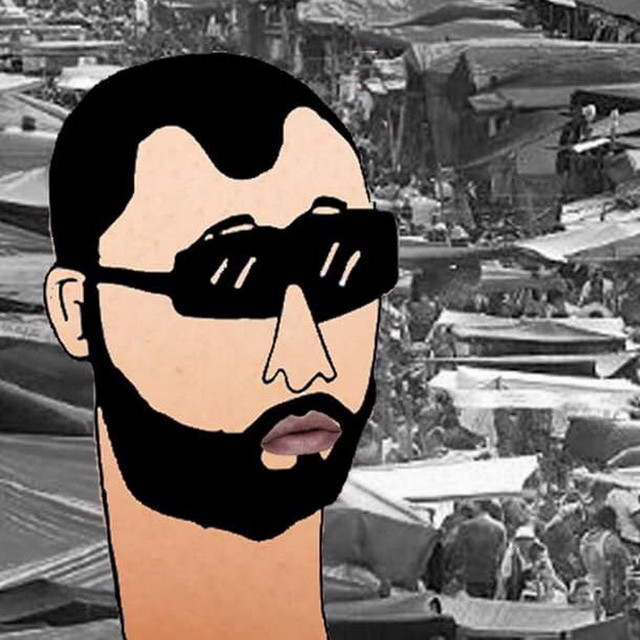


About Trap boliviano
Trap boliviano is a regional branch of the global trap phenomenon, reinterpreted through Bolivia’s urban soundscapes and cultural textures. Born in the late 2010s, it emerged from the convergence of American trap templates—808 kicks, crisp hi-hats, and moody basslines—with Bolivia’s own cities, slang, and musical memory. In this scene, producers and rappers from La Paz, El Alto, Santa Cruz, and Cochabamba began exchanging ideas online, sharing beats, freestyles, and short videos that gradually coalesced into a recognizable local flavor.
Sonic identity and production habits are where trap boliviano often shows its strongest fingerprint. You’ll hear the signature trap backbone—punchy 808s, punchy snare hits, and rapid hi-hat patterns—paired with melodic hooks that sometimes borrow from Andean ranges and folk-inflected timbres. Producers incorporate elements from traditional Bolivian genres, such as pan flute passages, zampoña or charango motifs, and rhythmic cadences that nod to huayño and other regional styles. The result is a hybrid texture: contemporary street rap intertwined with unmistakable regional color, sometimes leaning toward darker, cinematic moods, other times toward danceable grooves.
Lyrically, trap boliviano tends to foreground street narratives, personal resilience, and social realities—migration within Bolivia, economic challenges, nightlife, the search for opportunity, and the everyday paradoxes of urban life. The language often blends Spanish with local slang, and in some cases incorporates indigenous words or phrases, reflecting a broader dialogue about identity in a multilingual country. As with many forms of Latin American trap, the music can function as both personal catharsis and a social mirror, capturing the pressures and aspirations of a new generation.
The scene is as much about independent ecosystems as it is about single artists. Bedroom studios and home-recording setups are common starting points, with producers distributing tracks on streaming platforms, YouTube channels, and social media. Collaborations across cities and with neighboring countries—especially in the Andean region and broader Latin America—have helped expand the audience beyond Bolivia’s borders. The genre’s reach has been aided by Latin trap and reggaeton networks, as well as by festival showcases, local radio programs, and online mixes that curate Bolivian urban sounds for a wider public.
Countries where trap boliviano resonates most clearly are Bolivia itself—especially among younger listeners in La Paz, Santa Cruz, Cochabamba, and El Alto—and neighboring nations in the Andean belt, such as Peru and Chile, where audiences receptive to cross-cultural fusions often gravitate toward this hybrid. Spain and the broader Latin diaspora in the United States have also shown interest, drawn by the universal appeal of trap’s mood and the unique Bolivian twist that can stand out in a crowded marketplace of urban sounds.
Ambassadors of the genre are the rising artists and producers who continually push the sound forward, often collaborating with peers regionally and internationally. They help translate the Bolivian experience into a sonic language that can travel, while preserving a distinctly local sensibility. In short, trap boliviano is a dynamic, evolving movement that reflects Bolivia’s modern urban culture as it engages with global trends.
Sonic identity and production habits are where trap boliviano often shows its strongest fingerprint. You’ll hear the signature trap backbone—punchy 808s, punchy snare hits, and rapid hi-hat patterns—paired with melodic hooks that sometimes borrow from Andean ranges and folk-inflected timbres. Producers incorporate elements from traditional Bolivian genres, such as pan flute passages, zampoña or charango motifs, and rhythmic cadences that nod to huayño and other regional styles. The result is a hybrid texture: contemporary street rap intertwined with unmistakable regional color, sometimes leaning toward darker, cinematic moods, other times toward danceable grooves.
Lyrically, trap boliviano tends to foreground street narratives, personal resilience, and social realities—migration within Bolivia, economic challenges, nightlife, the search for opportunity, and the everyday paradoxes of urban life. The language often blends Spanish with local slang, and in some cases incorporates indigenous words or phrases, reflecting a broader dialogue about identity in a multilingual country. As with many forms of Latin American trap, the music can function as both personal catharsis and a social mirror, capturing the pressures and aspirations of a new generation.
The scene is as much about independent ecosystems as it is about single artists. Bedroom studios and home-recording setups are common starting points, with producers distributing tracks on streaming platforms, YouTube channels, and social media. Collaborations across cities and with neighboring countries—especially in the Andean region and broader Latin America—have helped expand the audience beyond Bolivia’s borders. The genre’s reach has been aided by Latin trap and reggaeton networks, as well as by festival showcases, local radio programs, and online mixes that curate Bolivian urban sounds for a wider public.
Countries where trap boliviano resonates most clearly are Bolivia itself—especially among younger listeners in La Paz, Santa Cruz, Cochabamba, and El Alto—and neighboring nations in the Andean belt, such as Peru and Chile, where audiences receptive to cross-cultural fusions often gravitate toward this hybrid. Spain and the broader Latin diaspora in the United States have also shown interest, drawn by the universal appeal of trap’s mood and the unique Bolivian twist that can stand out in a crowded marketplace of urban sounds.
Ambassadors of the genre are the rising artists and producers who continually push the sound forward, often collaborating with peers regionally and internationally. They help translate the Bolivian experience into a sonic language that can travel, while preserving a distinctly local sensibility. In short, trap boliviano is a dynamic, evolving movement that reflects Bolivia’s modern urban culture as it engages with global trends.