Genre
outlaw country
Top Outlaw country Artists
Showing 25 of 531 artists
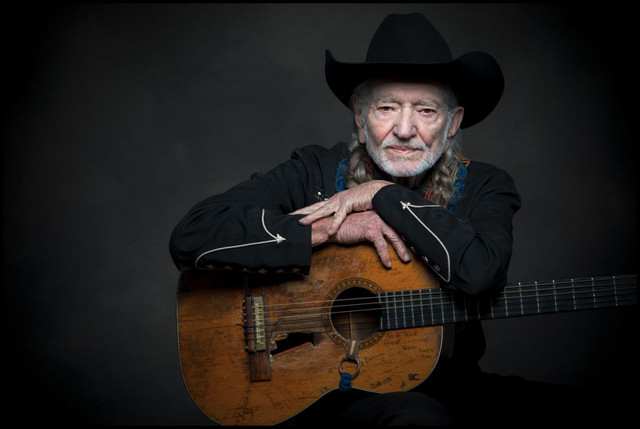
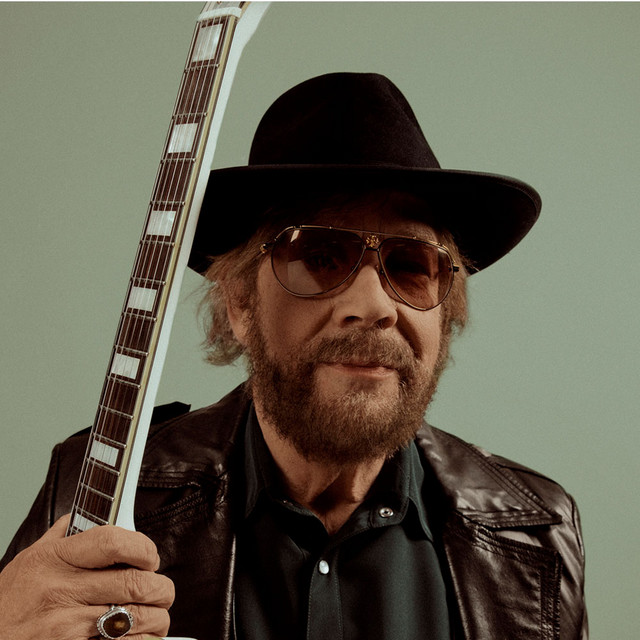
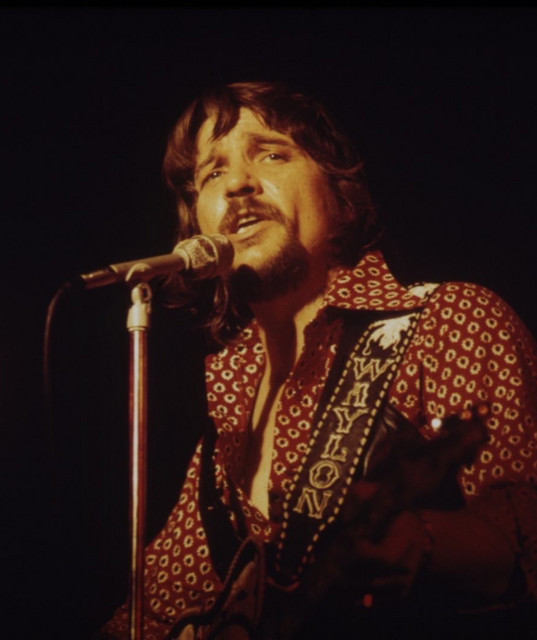
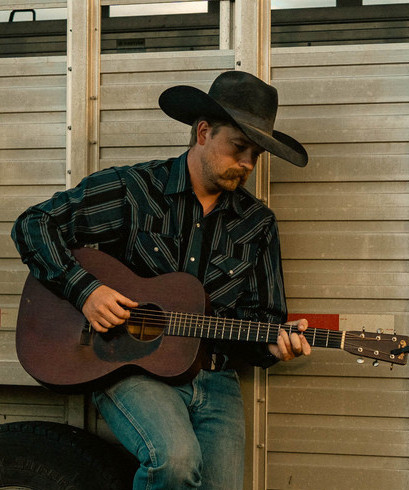

About Outlaw country
Outlaw country is a rugged, truth-telling strand of country music that burst onto the scene in the late 1960s and early 1970s as a bold counterpoint to Nashville’s polished “countrypolitan” sound. It wasn’t a single sound so much as a mindset: music that wore its rough edges proudly, barroom honesty over glossy production, and a hunger to tell hard-living stories with grit rather than gloss. The result was a movement that blended honky-tonk swagger, rock-inflected guitar, folk transparency, and a philosophy of artistic independence.
The roots trace to artists who chafed at strict studio control and corporate expectations. Waylon Jennings became a central figure, insisting on improvisation and personal control over his records. His 1973 album Honky Tonk Heroes is widely cited as a catalytic outlaw statement, paving the way for a new approach to songwriting and recording. Willie Nelson emerged as the movement’s emblematic icon, his weathered voice and unflinching songs about love, loss, and life on the road becoming synonymous with the ethos. Kris Kristofferson, Merle Haggard, and Johnny Cash also helped anchor the sound and the attitude, crafting songs that felt real, lived-in, and unapologetically raw. The collaborative watershed moment was the 1976 album Wanted! The Outlaws, featuring Jennings, Nelson, Tompall Glaser, and Jessi Colter; it became a cultural milestone, underscoring how profitability and authenticity could coexist when artists owned their material and their image.
Musically, outlaw country favors a lean, punchy guitar-driven aesthetic over the ornate strings and slick production that dominated mainstream Nashville at the time. The approach embraced experimentation and cross-genre flirtations—rock’s immediacy, bluesy phrasing, and folk storytelling—without sacrificing country’s core storytelling craft. Lyrically, outlaw songs frequently center on independence, countercultural pride, prison and hard luck, or the lure and costs of a roving, reckless life. It’s a soundtrack for nights that don’t end well and mornings that demand accountability, delivered with a swagger that felt earned, not manufactured.
In terms of geography and audience, outlaw country has its strongest roots in the United States, especially the South and Southwest. Texas, Oklahoma, and parts of the West became particularly fertile ground, while Nashville’s elite institutions faced a persistent challenge from artists who wanted to run their own show. Over time, the movement influenced the broader Americana and alt-country scenes, inspiring a lineage that would feed into later generations of singer-songwriters who valued authenticity, self-representation, and a rugged, do-it-yourself spirit.
Today, outlaw country lives on both as a historical milestone and a living influence. Modern successors—artists who blend country’s storytelling with rock-spirited grit and independence—continue the legacy in clubs, festival stages, and streaming playlists. Acts in the broader ecosystem—ranging from contemporary Texas country to the alt-country intelligentsia—still echo the outlaw creed: keep it honest, keep it simple, and keep driving forward, no matter the odds. For enthusiasts, outlaw country remains a compelling testament to the power of rebellion, resilience, and real talk set to a strong, stubborn rhythm.
The roots trace to artists who chafed at strict studio control and corporate expectations. Waylon Jennings became a central figure, insisting on improvisation and personal control over his records. His 1973 album Honky Tonk Heroes is widely cited as a catalytic outlaw statement, paving the way for a new approach to songwriting and recording. Willie Nelson emerged as the movement’s emblematic icon, his weathered voice and unflinching songs about love, loss, and life on the road becoming synonymous with the ethos. Kris Kristofferson, Merle Haggard, and Johnny Cash also helped anchor the sound and the attitude, crafting songs that felt real, lived-in, and unapologetically raw. The collaborative watershed moment was the 1976 album Wanted! The Outlaws, featuring Jennings, Nelson, Tompall Glaser, and Jessi Colter; it became a cultural milestone, underscoring how profitability and authenticity could coexist when artists owned their material and their image.
Musically, outlaw country favors a lean, punchy guitar-driven aesthetic over the ornate strings and slick production that dominated mainstream Nashville at the time. The approach embraced experimentation and cross-genre flirtations—rock’s immediacy, bluesy phrasing, and folk storytelling—without sacrificing country’s core storytelling craft. Lyrically, outlaw songs frequently center on independence, countercultural pride, prison and hard luck, or the lure and costs of a roving, reckless life. It’s a soundtrack for nights that don’t end well and mornings that demand accountability, delivered with a swagger that felt earned, not manufactured.
In terms of geography and audience, outlaw country has its strongest roots in the United States, especially the South and Southwest. Texas, Oklahoma, and parts of the West became particularly fertile ground, while Nashville’s elite institutions faced a persistent challenge from artists who wanted to run their own show. Over time, the movement influenced the broader Americana and alt-country scenes, inspiring a lineage that would feed into later generations of singer-songwriters who valued authenticity, self-representation, and a rugged, do-it-yourself spirit.
Today, outlaw country lives on both as a historical milestone and a living influence. Modern successors—artists who blend country’s storytelling with rock-spirited grit and independence—continue the legacy in clubs, festival stages, and streaming playlists. Acts in the broader ecosystem—ranging from contemporary Texas country to the alt-country intelligentsia—still echo the outlaw creed: keep it honest, keep it simple, and keep driving forward, no matter the odds. For enthusiasts, outlaw country remains a compelling testament to the power of rebellion, resilience, and real talk set to a strong, stubborn rhythm.