Genre
trot
Top Trot Artists
Showing 25 of 54 artists
4
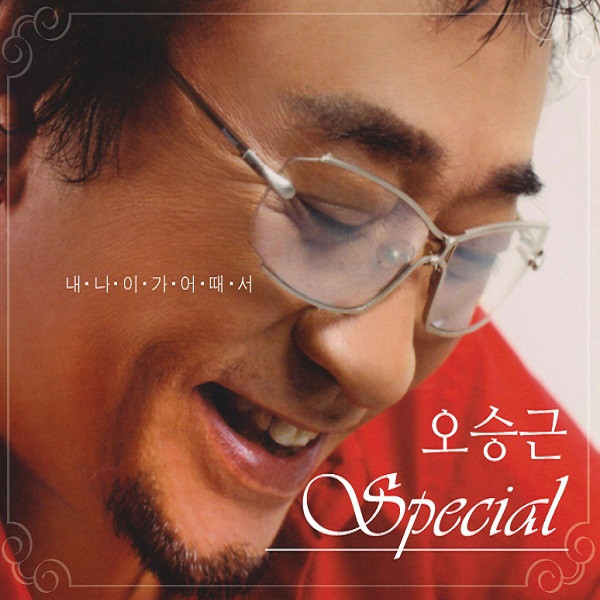
오승근
3,116
12,742 listeners
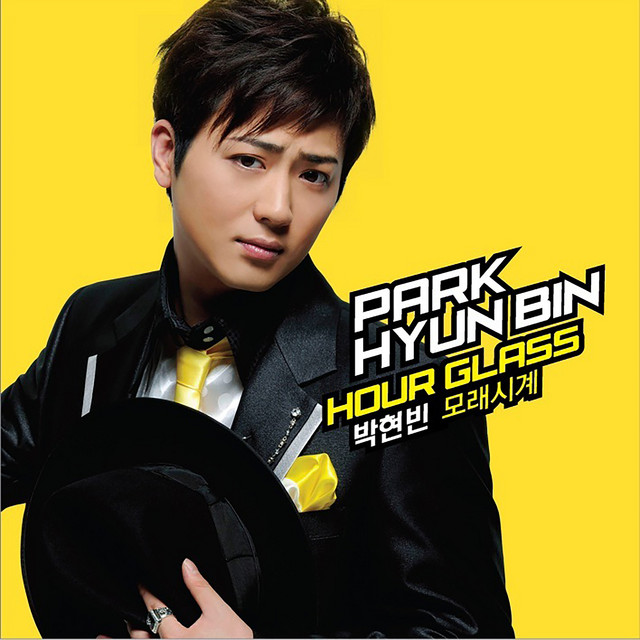
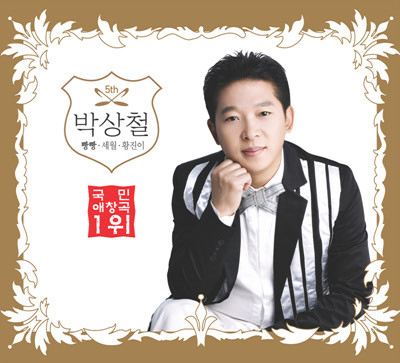
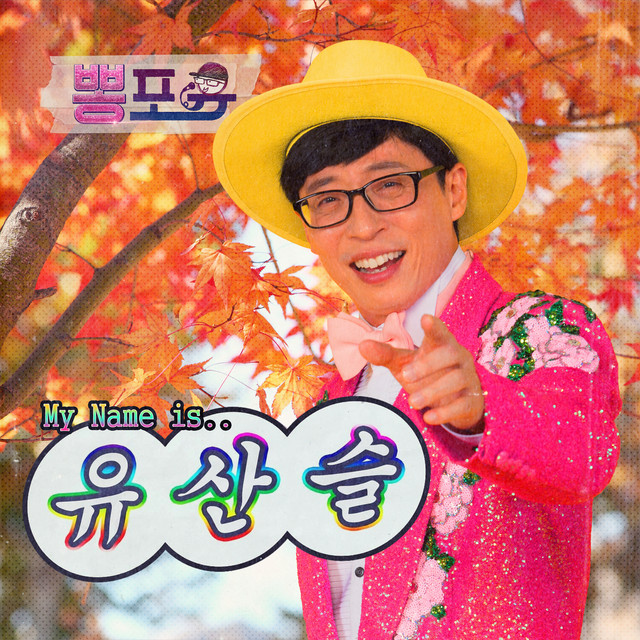
8

박군
940
5,196 listeners
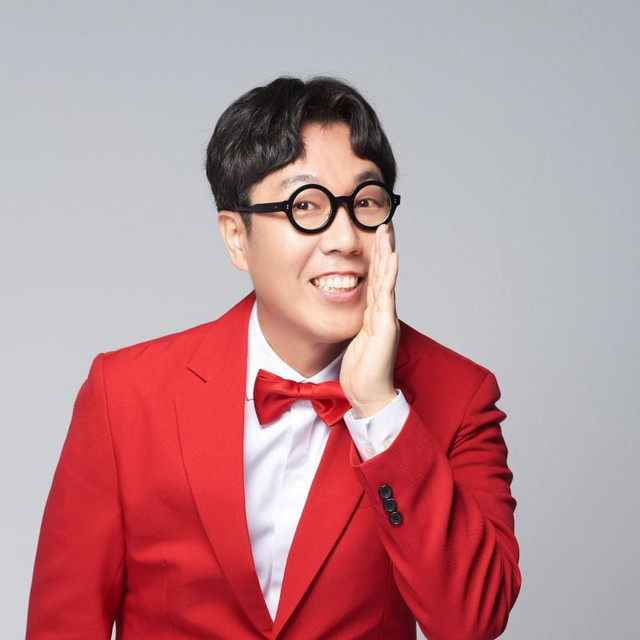
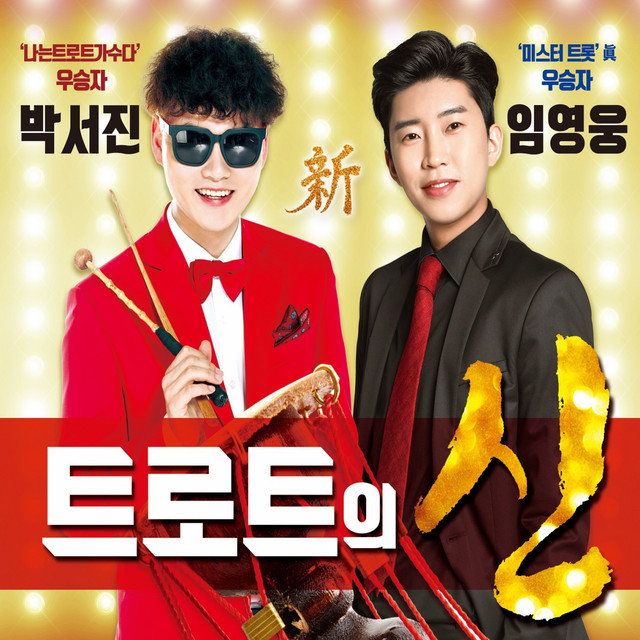

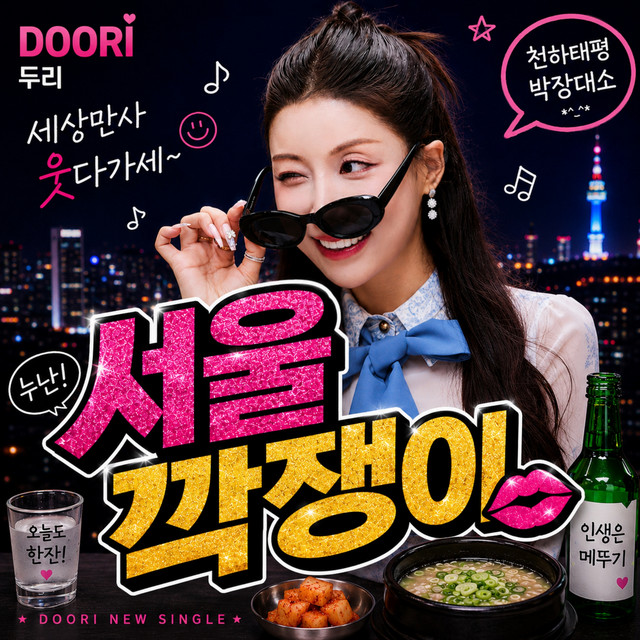


17
이미자
160
280 listeners


23

손헌수
14
124 listeners
25
명국환
31
114 listeners
About Trot
Trot, Koreans often render it as teuroteu (트로트), is one of the oldest strands of Korean popular music. It is defined by a distinctive two-beat propulsion, heartfelt vocal delivery, and a melodic emphasis on longing and resilience. It sits at the crossroads of folk, early mass entertainment, and postwar modernity, functioning as both a mirror of Korean social life and a platform for larger-than-life sentiment.
Origins: The genre crystallized in the 1920s–1930s amid Korea’s rapid modernization and during Japanese rule, absorbing elements from Western ballroom songs and Japanese enka while preserving a uniquely Korean sense of lyric-pathos. The term trot comes from the two-beat rhythm, a stepping-stone between lullaby-like tunes and more sweeping crooning. The earliest performers fused shanties, folk tunes, and stage cabaret; the postwar era gave trot a signature polish and an enduring stage persona. The 1950s and 60s saw trot broadcast widely on radio and vinyl, turning it into the soundtrack of postwar resilience.
Musical traits: A typical trot tempo ranges from around 60 to 90 BPM, leaning toward a moderate tempo that invites singalong refrains and a chorus-driven arrangement. The vocal style favors vertical phrasing, big vibrato, and a sense of dramatic storytelling—think weathered lovers, separation, and nostalgia. Instrumentation historically leans on piano, accordion, brass, and acoustic guitar, with lush strings often joining the chorus. The form prizes memorable hooks and a simple, almost ritual chorus that invites audience participation. Regional dialects and storytelling styles within the lyrics also shaped the genre, allowing urban and rural voices to coexist under one catchy, unifying form.
Ambassadors and key figures: In the classic era, names like Lee Bong-jo are cited as a founding father of trot, shaping its melodic formulas and stage craft. Nam Jin and Na Hoon-a became household names, embodying the postwar trot’s warmth and grit. They defined a tradition of storytelling through song that subsequent generations would return to. In contemporary times, a new wave of stars—Song Ga-in, Jang Yun-jeong, Hong Jin-young, and Young Tak—have carried the genre forward, blending classic tropes with modern production and social media visibility. These artists function as ambassadors across generations, keeping the repertoire alive while inviting new listeners to discover the emotional core of trot. Their repertoires range from sorrowful ballads to upbeat party numbers, often with humorous or self-deprecating lyrics.
Global reach and revival: While trot remains most popular in South Korea and among Korean-speaking communities abroad, its influence travels through Korean cinema, TV, and online platforms, and it has found listeners in Japan, China, the United States, and elsewhere via diaspora communities and cultural exchange. The late 2010s and early 2020s brought a trot revival with televised talent shows Miss Trot and Mister Trot, cross-generational collaborations, and a rebranding that introduced the form to younger audiences without sacrificing its emotional center. Live performance culture—radio cafés, weddings, theater shows, and televised specials—keeps the form intimate and communal. In short, trot endures as a living tradition: affectionate, cathartic, and unmistakably Korean.
Origins: The genre crystallized in the 1920s–1930s amid Korea’s rapid modernization and during Japanese rule, absorbing elements from Western ballroom songs and Japanese enka while preserving a uniquely Korean sense of lyric-pathos. The term trot comes from the two-beat rhythm, a stepping-stone between lullaby-like tunes and more sweeping crooning. The earliest performers fused shanties, folk tunes, and stage cabaret; the postwar era gave trot a signature polish and an enduring stage persona. The 1950s and 60s saw trot broadcast widely on radio and vinyl, turning it into the soundtrack of postwar resilience.
Musical traits: A typical trot tempo ranges from around 60 to 90 BPM, leaning toward a moderate tempo that invites singalong refrains and a chorus-driven arrangement. The vocal style favors vertical phrasing, big vibrato, and a sense of dramatic storytelling—think weathered lovers, separation, and nostalgia. Instrumentation historically leans on piano, accordion, brass, and acoustic guitar, with lush strings often joining the chorus. The form prizes memorable hooks and a simple, almost ritual chorus that invites audience participation. Regional dialects and storytelling styles within the lyrics also shaped the genre, allowing urban and rural voices to coexist under one catchy, unifying form.
Ambassadors and key figures: In the classic era, names like Lee Bong-jo are cited as a founding father of trot, shaping its melodic formulas and stage craft. Nam Jin and Na Hoon-a became household names, embodying the postwar trot’s warmth and grit. They defined a tradition of storytelling through song that subsequent generations would return to. In contemporary times, a new wave of stars—Song Ga-in, Jang Yun-jeong, Hong Jin-young, and Young Tak—have carried the genre forward, blending classic tropes with modern production and social media visibility. These artists function as ambassadors across generations, keeping the repertoire alive while inviting new listeners to discover the emotional core of trot. Their repertoires range from sorrowful ballads to upbeat party numbers, often with humorous or self-deprecating lyrics.
Global reach and revival: While trot remains most popular in South Korea and among Korean-speaking communities abroad, its influence travels through Korean cinema, TV, and online platforms, and it has found listeners in Japan, China, the United States, and elsewhere via diaspora communities and cultural exchange. The late 2010s and early 2020s brought a trot revival with televised talent shows Miss Trot and Mister Trot, cross-generational collaborations, and a rebranding that introduced the form to younger audiences without sacrificing its emotional center. Live performance culture—radio cafés, weddings, theater shows, and televised specials—keeps the form intimate and communal. In short, trot endures as a living tradition: affectionate, cathartic, and unmistakably Korean.