Genre
tucson indie
Top Tucson indie Artists
Showing 23 of 23 artists






About Tucson indie
Tucson indie is a desert-born mood as much as a sound. It’s the kind of scene that emerged where sun-baked streets meet a keen DIY ethic, where guitars jangle with pedal steel, horns blur the line between indie rock, folk, and Latin-inflected textures, and where bilingual storytelling slips between Spanish and English. Rather than a single, codified genre, Tucson indie is a living ecosystem: a cross-pollination of desert ambience, indie sensibility, and border-crossing collaboration that has yielded some of the Southwest’s most distinctive music.
Its roots reach back to the 1980s and 1990s in Tucson’s intimate clubs and independent labels, but the sound truly coalesced in the late ’90s and early 2000s. Central to the formation is the city’s ferociously creative hub—bands like Giant Sand, led by Howe Gelb, which fused Southwestern psychedelia, alt-country, and experimental textures long before “desert rock” became a buzzword. On the other hand, Calexico, founded in Tucson by Joey Burns and John Convertino, helped crystallize the Tucson desert sound for a global audience with records that layered mariachi-inflected horns, dusty acoustic guitars, and cinematic arrangements over indie rock foundations. Their collaborations—most notably the Iron & Wine project—also showed how the Tucson voice could travel beyond the Southwest without losing its identity.
Sonic characteristics of Tucson indie are wide but telltale. Expect spacious arrangements that breathe like the desert at dusk: restrained tempos, reverberant guitars, and echoes of Americana, folk, and Latin rhythms. Brass and horn sections occasionally ride in like a heat mirage, adding a Latin noir or folk-ballad grandeur. Lyrically, the movement often wears its borderland geography on its sleeve—songs that reflect migration, memory, love, and longing with a bilingual cadence or cross-cultural imagery. The production leans toward clarity and atmosphere rather than glam or gloss, preferring a lived-in texture that invites contemplation.
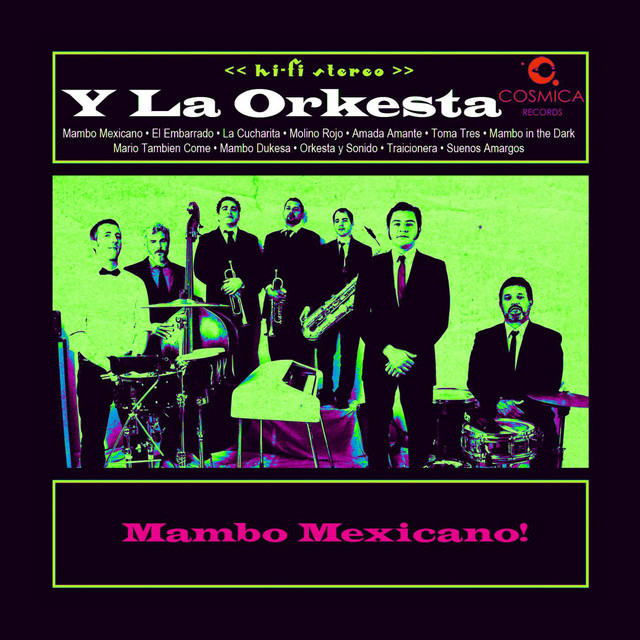
Ambassadors of the genre—if one must name them—include Calexico and Giant Sand, both Tucson staples who became ambassadors for a desert-inflected indie that could travel far beyond the city limits. Calexico’s catalog—featuring records that fuse noir-ish guitars with horns and mariachi flourishes—defines a template many younger acts chase. Giant Sand remains a touchstone for adventurous, song-centered rock that refuses to stay in one lane. Contemporary torchbearers from Tucson, such as Orkesta Mendoza, keep the border-blurred energy alive, mixing Afro-Latin rhythms with indie and experimental approaches and showing the city’s ongoing knack for cross-genre discovery.
Geographically, Tucson indie is most strongly rooted in the United States, with a core audience on the West Coast and in the Southwest. Its international reach tends to show up among dedicated indie circles in Europe and parts of Latin America, where listeners drawn to desert atmospheres and bilingual lyricism often find a natural kinship with the Tucson sound. It’s a scene that rewards attentive listening: albums that reveal new textures after repeated spins, live performances where the band finds a quiet, almost ceremonial energy, and a sense of community that keeps venues like small clubs and intimate theatres vital.
If you’re seeking a gateway, start with Calexico’s Feast of Wire or Algiers-inspired desert mood pieces from Giant Sand. Then fling the doors open to Orkesta Mendoza and other contemporary Tucson acts who push the sound into new directions. Tucson indie isn’t a snapshot; it’s a weather system—hot days, cool nights, and the quiet echo of a desert highway, inviting you to ride along and listen deeper.
Its roots reach back to the 1980s and 1990s in Tucson’s intimate clubs and independent labels, but the sound truly coalesced in the late ’90s and early 2000s. Central to the formation is the city’s ferociously creative hub—bands like Giant Sand, led by Howe Gelb, which fused Southwestern psychedelia, alt-country, and experimental textures long before “desert rock” became a buzzword. On the other hand, Calexico, founded in Tucson by Joey Burns and John Convertino, helped crystallize the Tucson desert sound for a global audience with records that layered mariachi-inflected horns, dusty acoustic guitars, and cinematic arrangements over indie rock foundations. Their collaborations—most notably the Iron & Wine project—also showed how the Tucson voice could travel beyond the Southwest without losing its identity.
Sonic characteristics of Tucson indie are wide but telltale. Expect spacious arrangements that breathe like the desert at dusk: restrained tempos, reverberant guitars, and echoes of Americana, folk, and Latin rhythms. Brass and horn sections occasionally ride in like a heat mirage, adding a Latin noir or folk-ballad grandeur. Lyrically, the movement often wears its borderland geography on its sleeve—songs that reflect migration, memory, love, and longing with a bilingual cadence or cross-cultural imagery. The production leans toward clarity and atmosphere rather than glam or gloss, preferring a lived-in texture that invites contemplation.
Ambassadors of the genre—if one must name them—include Calexico and Giant Sand, both Tucson staples who became ambassadors for a desert-inflected indie that could travel far beyond the city limits. Calexico’s catalog—featuring records that fuse noir-ish guitars with horns and mariachi flourishes—defines a template many younger acts chase. Giant Sand remains a touchstone for adventurous, song-centered rock that refuses to stay in one lane. Contemporary torchbearers from Tucson, such as Orkesta Mendoza, keep the border-blurred energy alive, mixing Afro-Latin rhythms with indie and experimental approaches and showing the city’s ongoing knack for cross-genre discovery.
Geographically, Tucson indie is most strongly rooted in the United States, with a core audience on the West Coast and in the Southwest. Its international reach tends to show up among dedicated indie circles in Europe and parts of Latin America, where listeners drawn to desert atmospheres and bilingual lyricism often find a natural kinship with the Tucson sound. It’s a scene that rewards attentive listening: albums that reveal new textures after repeated spins, live performances where the band finds a quiet, almost ceremonial energy, and a sense of community that keeps venues like small clubs and intimate theatres vital.
If you’re seeking a gateway, start with Calexico’s Feast of Wire or Algiers-inspired desert mood pieces from Giant Sand. Then fling the doors open to Orkesta Mendoza and other contemporary Tucson acts who push the sound into new directions. Tucson indie isn’t a snapshot; it’s a weather system—hot days, cool nights, and the quiet echo of a desert highway, inviting you to ride along and listen deeper.