Genre
turkish deep house
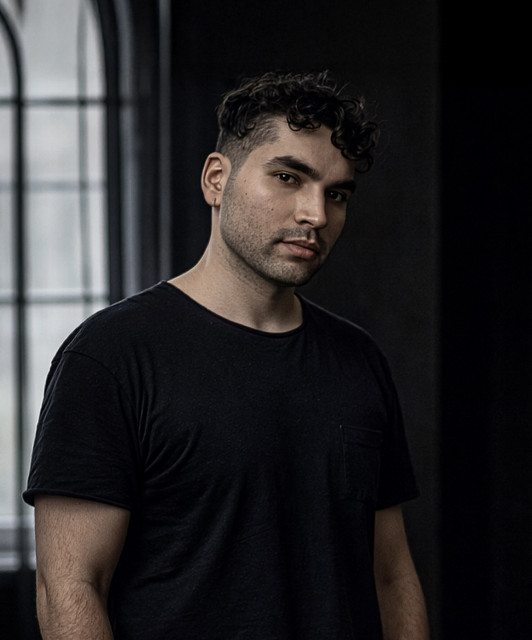
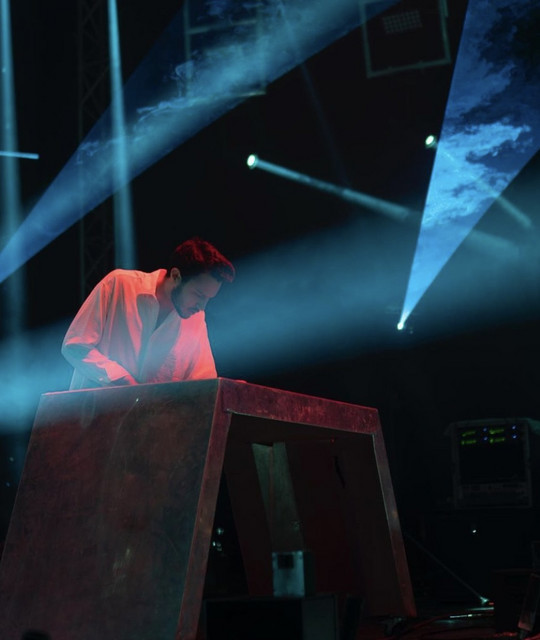
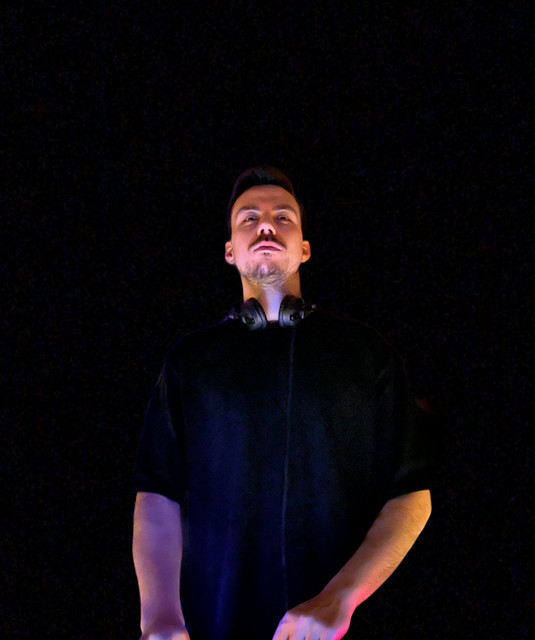
Top Turkish deep house Artists
Showing 22 of 22 artists














About Turkish deep house
Turkish deep house is a sun-kissed fusion that sits at the crossroads of Istanbul’s intimate club culture and the global, club-ready groove of deep house. It emerged in the late 2000s and began to crystallize in the early-to-mid 2010s as Turkish producers started blending the warm sub-bass and hypnotic four-on-the-floor of deep house with distinctly Turkish melodic sensibilities, field recordings, and traditional textures. The result is a sound that feels both cosmopolitan and deeply local: spacious, mellow, and groove-forward, yet unmistakably Turkish in its mood and musical vocabulary.
At its core, Turkish deep house leans on the signature tempo and vibe of deep house—roughly 120 to 125 BPM, plush basslines, and shimmering chords—while weaving in Anatolian melodies, modal scales, and sometimes saz- or ney-inspired lines. Producers layer airy pads with subtle percussion, dusted with sunlit harmonic motifs that evoke Mediterranean shores, old streets, and night markets. The result is music that flows like a late-night walk along a waterfront, intimate enough for headphones but expansive enough for club sound systems. It’s as much about atmosphere and emotion as it is about a dancefloor push.
Among the ambassadors who carried the sound onto global stages, Mahmut Orhan is widely recognized as a pioneering figure. His tracks helped bring Turkish deep house to a broader audience, often pairing lush, melodic textures with vocal lines and Turkish-flavored motifs that gave the sound a distinct identity. He, along with a wave of Istanbul-based producers and DJs who followed, showed how Turkish deep house could travel beyond its local scene while preserving a sense of place. The genre’s appeal continues to grow wherever there is an appreciation for groove, warmth, and melody built on solid house foundations.
The scene is marked by a strong connection to Turkey’s rich musical embroidery, from folk-inflected phrases to modern electronic production. The approach is not about replicating traditional folk music on a dancefloor but about translating its mood—its yearning, its brightness, its modal colors—into deep-house textures. This makes Turkish deep house especially attractive to listeners who enjoy a sense of travel in their music: rhythmic, hypnotic, and emotionally resonant.
In terms of where it resonates, Turkish deep house has found receptive audiences in Turkey—where it often feels most at home in the nightlife that blends modern electronica with cultural pride—and across Europe, particularly in Germany, the Netherlands, and the UK, where sizable Turkish-speaking communities and a robust electronic music scene provide fertile ground. It also appeals to listeners in Greece, the Balkan states, and the broader Mediterranean corridor, as well as global audiences through streaming platforms, remixes, and international DJ sets. Its popularity in these regions reflects a wider curiosity about cross-cultural fusions in electronic music and the durability of a deep, melodic groove.
For enthusiasts, Turkish deep house offers a compelling entry point into the Turkish underground: a genre that respects the roots of deep house while inviting Turkish timbres, warmth, and storytelling into the mix. It’s perfect for late-night sets, reflective listening, or when you want music that feels both intimate and expansive—music that makes you hear Turkish culture as a living, evolving soundscape.
At its core, Turkish deep house leans on the signature tempo and vibe of deep house—roughly 120 to 125 BPM, plush basslines, and shimmering chords—while weaving in Anatolian melodies, modal scales, and sometimes saz- or ney-inspired lines. Producers layer airy pads with subtle percussion, dusted with sunlit harmonic motifs that evoke Mediterranean shores, old streets, and night markets. The result is music that flows like a late-night walk along a waterfront, intimate enough for headphones but expansive enough for club sound systems. It’s as much about atmosphere and emotion as it is about a dancefloor push.
Among the ambassadors who carried the sound onto global stages, Mahmut Orhan is widely recognized as a pioneering figure. His tracks helped bring Turkish deep house to a broader audience, often pairing lush, melodic textures with vocal lines and Turkish-flavored motifs that gave the sound a distinct identity. He, along with a wave of Istanbul-based producers and DJs who followed, showed how Turkish deep house could travel beyond its local scene while preserving a sense of place. The genre’s appeal continues to grow wherever there is an appreciation for groove, warmth, and melody built on solid house foundations.
The scene is marked by a strong connection to Turkey’s rich musical embroidery, from folk-inflected phrases to modern electronic production. The approach is not about replicating traditional folk music on a dancefloor but about translating its mood—its yearning, its brightness, its modal colors—into deep-house textures. This makes Turkish deep house especially attractive to listeners who enjoy a sense of travel in their music: rhythmic, hypnotic, and emotionally resonant.
In terms of where it resonates, Turkish deep house has found receptive audiences in Turkey—where it often feels most at home in the nightlife that blends modern electronica with cultural pride—and across Europe, particularly in Germany, the Netherlands, and the UK, where sizable Turkish-speaking communities and a robust electronic music scene provide fertile ground. It also appeals to listeners in Greece, the Balkan states, and the broader Mediterranean corridor, as well as global audiences through streaming platforms, remixes, and international DJ sets. Its popularity in these regions reflects a wider curiosity about cross-cultural fusions in electronic music and the durability of a deep, melodic groove.
For enthusiasts, Turkish deep house offers a compelling entry point into the Turkish underground: a genre that respects the roots of deep house while inviting Turkish timbres, warmth, and storytelling into the mix. It’s perfect for late-night sets, reflective listening, or when you want music that feels both intimate and expansive—music that makes you hear Turkish culture as a living, evolving soundscape.