Genre
turkish folk
Top Turkish folk Artists
Showing 13 of 13 artists








About Turkish folk
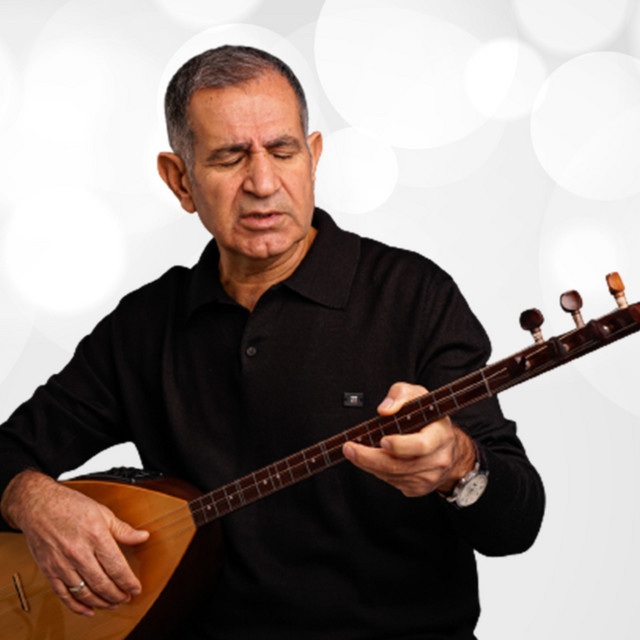
Turkish folk, or Türk Halk Müziği, is the traditional heartbeat of Türkiye’s rural and small-town life, a living archive of stories, landscapes, and everyday work and joy. It encompasses diverse regional styles, from the Türkmenistan-like chants of the Anatolian steppes to the lush vocalizations of the Black Sea coast, all tied together by a shared emphasis on melody, narrative, and a strong sense of community. At its core are the türkü, intimate ballads and laments that people sing at gatherings, weddings, harvests, and festivals, often accompanied by the long-necked saz (baglama), a symbol of the genre.
Its origins lie deep in oral tradition. For centuries, wandering ashiks or aşıklar—bards who sang improvised or composed verses to the saz—carried tunes from village to village, weaving together Turkic, Anatolian, and Balkan influences. Over time, regional instrumental flavors emerged: the saz in central and western Anatolia, the kemençe on the Black Sea coast, and other local plucked and bowed instruments. The Ottoman era added urban textures, but folk music stayed closely tied to daily life: work songs in the fields, lullabies in the homes, lamentations in times of hardship, and songs of love and longing. The 20th century brought recording and broadcasting, which helped preserve and circulate thousands of tunes while also inviting reinterpretation and revival across generations.
A feature of Turkish folk is its strong sense of place. Regions like the Aegean, Thrace, Central Anatolia, and the Black Sea each contribute distinct modes, rhythms, and vocal timbres, yet the repertoire remains tied together by the saz's lilting drone and the practice of telling a story through melody. Many songs lean on makam-based scales and microtonal inflections, giving Turkish folk its characteristic emotional range—quiet tenderness, earthy humor, or a fierce, communal energy during a gathering.
Among the genre’s most iconic ambassadors are Aşık Veysel, whose spare guitar-like saz lines and direct, poignant poetry set a template for Sufi-inflected Turkish folk. Neşet Ertaş, known as the Bozkırın Tezenesi (The Tasel of the Steppe), brought a masterful saz technique and a voice that could be both intimate and monumental, shaping much of modern Turkish folk’s sound and repertoire. Mahsuni Şerif expanded folk’s role as social and political commentary, turning the genre into a vehicle for critique and reflection during the late 20th century. In more contemporary circles, artists like Erkan Oğur have fused traditional bağlama and Turkish motifs with global guitar textures, while groups such as Kardeş Türküler blend Turkish folk with multi-ethnic voices and cross-cultural themes, widening the genre’s reach and dialogue with the world.
Turkish folk remains most popular in Türkiye, where it is taught, performed, and celebrated in villages and cities alike. It also thrives in diaspora communities—especially in Germany and other parts of Europe—where it acts as a bridge between heritage and modern life, and in parts of the Balkans and the Caucasus where shared historical ties linger.
For the curious listener, Turkish folk offers a doorway into a vast network of regional portraits and timeless human stories. Listen for the texture of the saz, the storytelling voice, and the sense of communal memory that marks this enduring musical tradition.
Its origins lie deep in oral tradition. For centuries, wandering ashiks or aşıklar—bards who sang improvised or composed verses to the saz—carried tunes from village to village, weaving together Turkic, Anatolian, and Balkan influences. Over time, regional instrumental flavors emerged: the saz in central and western Anatolia, the kemençe on the Black Sea coast, and other local plucked and bowed instruments. The Ottoman era added urban textures, but folk music stayed closely tied to daily life: work songs in the fields, lullabies in the homes, lamentations in times of hardship, and songs of love and longing. The 20th century brought recording and broadcasting, which helped preserve and circulate thousands of tunes while also inviting reinterpretation and revival across generations.
A feature of Turkish folk is its strong sense of place. Regions like the Aegean, Thrace, Central Anatolia, and the Black Sea each contribute distinct modes, rhythms, and vocal timbres, yet the repertoire remains tied together by the saz's lilting drone and the practice of telling a story through melody. Many songs lean on makam-based scales and microtonal inflections, giving Turkish folk its characteristic emotional range—quiet tenderness, earthy humor, or a fierce, communal energy during a gathering.
Among the genre’s most iconic ambassadors are Aşık Veysel, whose spare guitar-like saz lines and direct, poignant poetry set a template for Sufi-inflected Turkish folk. Neşet Ertaş, known as the Bozkırın Tezenesi (The Tasel of the Steppe), brought a masterful saz technique and a voice that could be both intimate and monumental, shaping much of modern Turkish folk’s sound and repertoire. Mahsuni Şerif expanded folk’s role as social and political commentary, turning the genre into a vehicle for critique and reflection during the late 20th century. In more contemporary circles, artists like Erkan Oğur have fused traditional bağlama and Turkish motifs with global guitar textures, while groups such as Kardeş Türküler blend Turkish folk with multi-ethnic voices and cross-cultural themes, widening the genre’s reach and dialogue with the world.
Turkish folk remains most popular in Türkiye, where it is taught, performed, and celebrated in villages and cities alike. It also thrives in diaspora communities—especially in Germany and other parts of Europe—where it acts as a bridge between heritage and modern life, and in parts of the Balkans and the Caucasus where shared historical ties linger.
For the curious listener, Turkish folk offers a doorway into a vast network of regional portraits and timeless human stories. Listen for the texture of the saz, the storytelling voice, and the sense of communal memory that marks this enduring musical tradition.