Genre
east coast hip hop
Top East coast hip hop Artists
Showing 25 of 871 artists
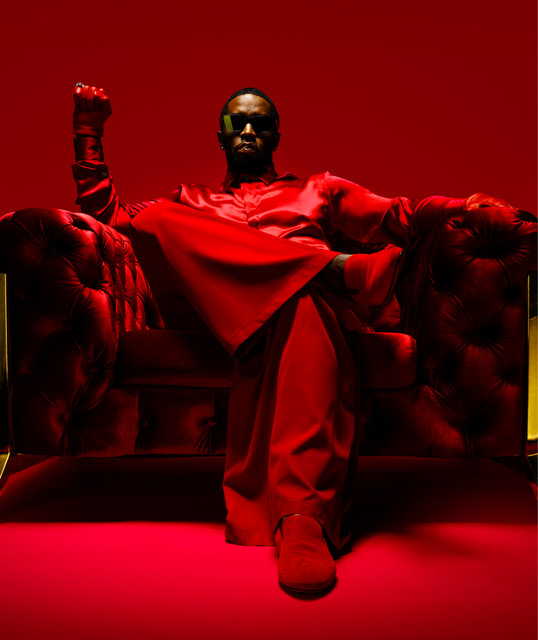
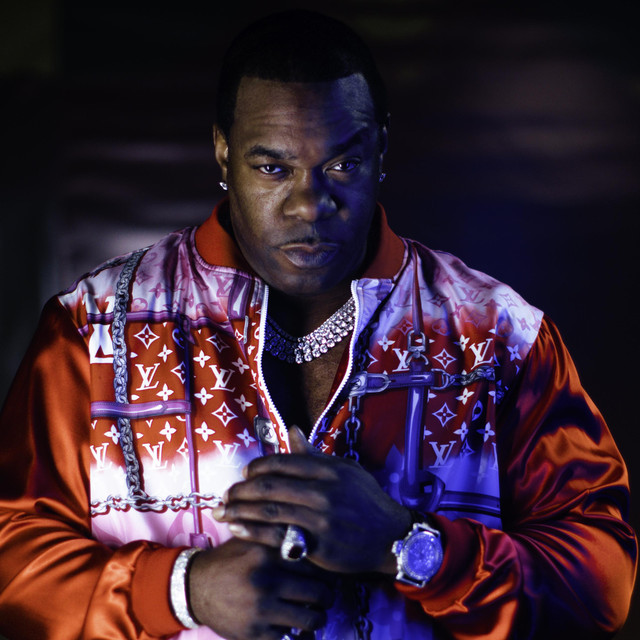
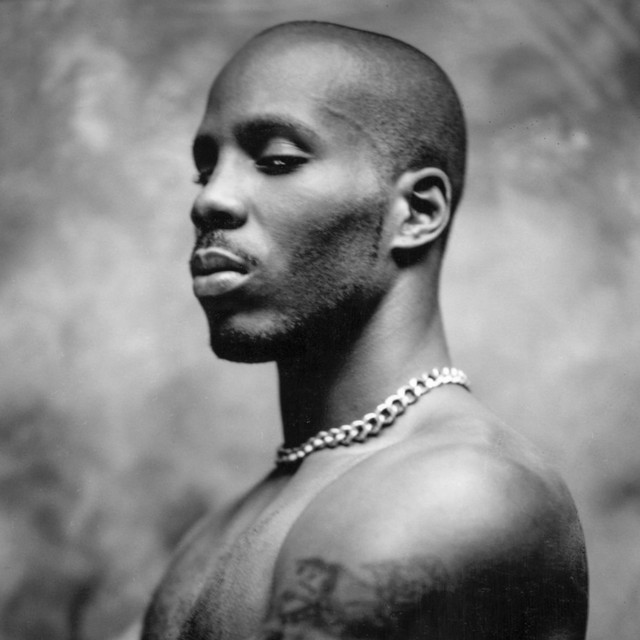
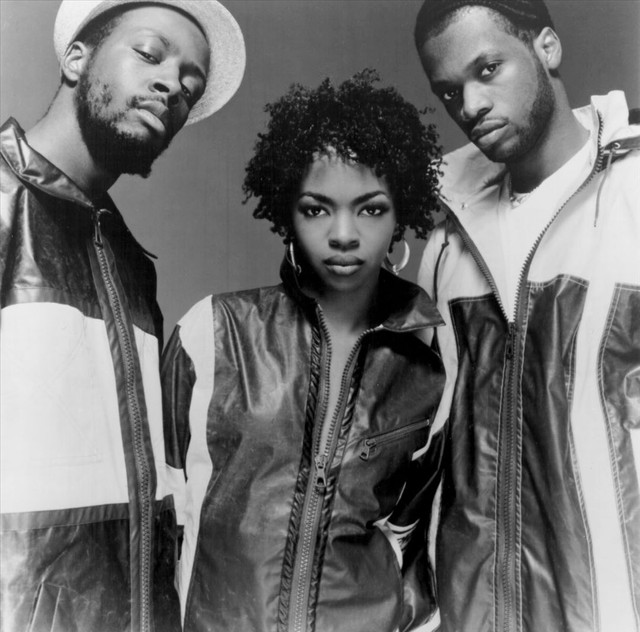
About East coast hip hop
East Coast hip hop is the birthplace of hip hop culture as a sophisticated, lyric-focused art form. Born in the late 1970s and early 1980s in New York City—particularly the Bronx and surrounding boroughs—this branch of rap grew out of block parties, turntable techniques, and emcees who turned rhythmic boast-cycles into storytelling. Its early sound was defined by breakbeats, looping funk and soul samples, and the clever, rapid-fire rhymes of MCs who treated the mic as a seat of power. From the outset, East Coast hip hop placed emphasis on dense lyricism, turntable-driven production, and a streetwise sensibility that reflected urban life, politics, and struggle.
In the 1980s, the East Coast produced a wave of pioneers who helped propel rap into a national conversation. Run-DMC from Queens bridged hip hop with rock and mass-market appeal, while LL Cool J, a teenager from Queens, demonstrated that hard-hitting storytelling could coexist with crossover accessibility. The political edge of Public Enemy, the jazzy, afro-futurist textures of A Tribe Called Quest, and the gritty grit-drenched realism of Boogie Down Productions and Rakim (with Eric B.) expanded the palette and taught a generation to listen closely to the words as well as the music. The production landscape matured as well, with producers like DJ Premier (Gang Starr), Pete Rock, and Large Professor shaping the “boom-bap” drum sound—punchy, precise, and sample-rich—becoming a trademark of the East Coast style.
The 1990s are often called the golden era of East Coast hip hop. It was a time when ambitious crews and solo artists elevated the genre through lyrical complexity, cinematic storytelling, and razor-sharp production. The Wu-Tang Clan’s multi-voiced, grit-soaked debut changed the geography of rap, bringing a raw, cinematic ethic to the fore. Nas’s Illmatic turned poetry into street reportage, while The Notorious B.I.G. and Jay-Z carried East Coast storytelling into global arenas with a blend of street-smart wit and cinematic scale. Gang Starr, Mobb Deep, and a host of other crews—together with the continued influence of the early innovators—made New York the center of gravity for hip hop’s most acclaimed, influential era. The sound leaned into dense rhymes, soulful or jazz-inflected samples, and a disciplined, drum-machine-backed tempo that years later influenced countless producers worldwide.
The East Coast’s influence spread beyond the United States, finding enthusiastic audiences in Canada, the United Kingdom, France, the Netherlands, Germany, and Japan, among others. The tradition became a language for urban life in many cities and a benchmark for lyricism and craft. While the West Coast developed its own counterpoint in the 1990s with G-funk and later the Chicano/DRM-inflected scenes, East Coast hip hop maintained its reputation for lyric precision, social commentary, and a certain street-poetic realism. Today, artists like Joey Bada$$ and Griselda’s revivalist crews keep the East Coast flame alive, continuing the lineage of hard-hitting rhymes, soulful sampling, and boom-bap drums that defined a generation. East Coast hip hop remains a global ambassador of rap’s artistry, resilience, and urban storytelling.
In the 1980s, the East Coast produced a wave of pioneers who helped propel rap into a national conversation. Run-DMC from Queens bridged hip hop with rock and mass-market appeal, while LL Cool J, a teenager from Queens, demonstrated that hard-hitting storytelling could coexist with crossover accessibility. The political edge of Public Enemy, the jazzy, afro-futurist textures of A Tribe Called Quest, and the gritty grit-drenched realism of Boogie Down Productions and Rakim (with Eric B.) expanded the palette and taught a generation to listen closely to the words as well as the music. The production landscape matured as well, with producers like DJ Premier (Gang Starr), Pete Rock, and Large Professor shaping the “boom-bap” drum sound—punchy, precise, and sample-rich—becoming a trademark of the East Coast style.
The 1990s are often called the golden era of East Coast hip hop. It was a time when ambitious crews and solo artists elevated the genre through lyrical complexity, cinematic storytelling, and razor-sharp production. The Wu-Tang Clan’s multi-voiced, grit-soaked debut changed the geography of rap, bringing a raw, cinematic ethic to the fore. Nas’s Illmatic turned poetry into street reportage, while The Notorious B.I.G. and Jay-Z carried East Coast storytelling into global arenas with a blend of street-smart wit and cinematic scale. Gang Starr, Mobb Deep, and a host of other crews—together with the continued influence of the early innovators—made New York the center of gravity for hip hop’s most acclaimed, influential era. The sound leaned into dense rhymes, soulful or jazz-inflected samples, and a disciplined, drum-machine-backed tempo that years later influenced countless producers worldwide.
The East Coast’s influence spread beyond the United States, finding enthusiastic audiences in Canada, the United Kingdom, France, the Netherlands, Germany, and Japan, among others. The tradition became a language for urban life in many cities and a benchmark for lyricism and craft. While the West Coast developed its own counterpoint in the 1990s with G-funk and later the Chicano/DRM-inflected scenes, East Coast hip hop maintained its reputation for lyric precision, social commentary, and a certain street-poetic realism. Today, artists like Joey Bada$$ and Griselda’s revivalist crews keep the East Coast flame alive, continuing the lineage of hard-hitting rhymes, soulful sampling, and boom-bap drums that defined a generation. East Coast hip hop remains a global ambassador of rap’s artistry, resilience, and urban storytelling.