Genre
turkish hip hop
Top Turkish hip hop Artists
Showing 25 of 2,587 artists

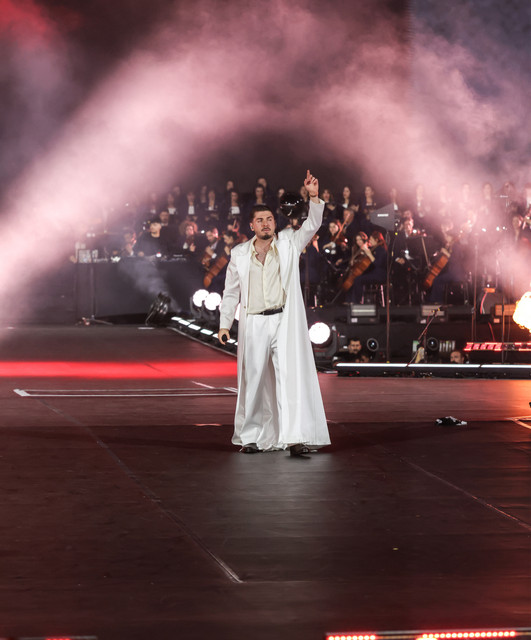























About Turkish hip hop
Turkish hip hop is a features-rich branch of global rap that took root in the 1990s, growing from the underground scenes of Istanbul, Ankara, and Izmir into a distinct cultural voice. Born from a DIY ethic—MCs, DJs, and producers trading tapes, sharing freestyles in small clubs, and later forming independent labels—the genre fused Western rap rhythms with Turkish language and local sensibilities. In its early years, it battled for legitimacy against pop and traditional forms, but by the turn of the century it had established a robust scene with a growing audience both at home and among Turkish-speaking communities abroad.
A key aspect of its evolution is the blend of styles. Turkish hip hop frequently rides tight, rapid-fire Turkish rhymes, and it often weaves in Turkish folk textures, arabesque mood, and makam-inspired melodies. The production mirrors the era’s global shifts—from boom-bap and sample-heavy beats to the heavier, bass-driven sounds of trap and contemporary street music. The lyrics tend to run the gamut, from gritty street narratives and social critique to introspective storytelling and wordplay that plays with Turkish slang and regional dialects. For enthusiasts, the genre’s texture lies in its multilingual feel: Turkish rhythm and cadence meet universal hip hop storytelling.
Among the pioneers and ambassadors who helped redefine the sound are Ceza and Sagopa Kajmer. Ceza is widely celebrated for his nimble, high-velocity rapping and for helping bring Turkish rap into mainstream visibility with a confident, battle-ready presence. Sagopa Kajmer, often associated with more reflective, moody compositions, pushed hip hop into a space of cinematic storytelling and dark introspection. Together, their rivalries, collaborations, and catalogues chart a path from underground credibility to national recognition. In the 2000s and 2010s, a new generation followed: Ezhel, Gazapizm, Ben Fero, and other artists expanded the palette by mixing trap, reggae, and melodic hooks with Turkish lyricism, attracting younger crowds and giving Turkish hip hop a broader, more contemporary appeal.
Geographically, the genre remains strongest in Turkey, where it resonates with urban life, social realities, and a sense of cultural pride. But its appeal extends across the Turkish diaspora, especially in Germany, the Netherlands, and other parts of Europe with sizable Turkish-speaking communities. In these scenes, Turkish hip hop often acts as a cultural bridge—honoring roots while engaging with global rap trends, politics, and youth culture. It’s common to hear songs that address migration, identity, and resilience, alongside tracks that celebrate nightlife, fashion, and personal swagger.
For music enthusiasts, Turkish hip hop offers a compelling blend of lyricism, rhythm, and mood. It’s a genre that invites deep listening—appreciating cadences in Turkish, the interplay of traditional and modern samples, and the way city life or personal struggle translates into punchy verses and memorable choruses. If you’re exploring a fresh entry point into world rap, Turkish hip hop provides a rich, evolving map of sound and storytelling.
A key aspect of its evolution is the blend of styles. Turkish hip hop frequently rides tight, rapid-fire Turkish rhymes, and it often weaves in Turkish folk textures, arabesque mood, and makam-inspired melodies. The production mirrors the era’s global shifts—from boom-bap and sample-heavy beats to the heavier, bass-driven sounds of trap and contemporary street music. The lyrics tend to run the gamut, from gritty street narratives and social critique to introspective storytelling and wordplay that plays with Turkish slang and regional dialects. For enthusiasts, the genre’s texture lies in its multilingual feel: Turkish rhythm and cadence meet universal hip hop storytelling.
Among the pioneers and ambassadors who helped redefine the sound are Ceza and Sagopa Kajmer. Ceza is widely celebrated for his nimble, high-velocity rapping and for helping bring Turkish rap into mainstream visibility with a confident, battle-ready presence. Sagopa Kajmer, often associated with more reflective, moody compositions, pushed hip hop into a space of cinematic storytelling and dark introspection. Together, their rivalries, collaborations, and catalogues chart a path from underground credibility to national recognition. In the 2000s and 2010s, a new generation followed: Ezhel, Gazapizm, Ben Fero, and other artists expanded the palette by mixing trap, reggae, and melodic hooks with Turkish lyricism, attracting younger crowds and giving Turkish hip hop a broader, more contemporary appeal.
Geographically, the genre remains strongest in Turkey, where it resonates with urban life, social realities, and a sense of cultural pride. But its appeal extends across the Turkish diaspora, especially in Germany, the Netherlands, and other parts of Europe with sizable Turkish-speaking communities. In these scenes, Turkish hip hop often acts as a cultural bridge—honoring roots while engaging with global rap trends, politics, and youth culture. It’s common to hear songs that address migration, identity, and resilience, alongside tracks that celebrate nightlife, fashion, and personal swagger.
For music enthusiasts, Turkish hip hop offers a compelling blend of lyricism, rhythm, and mood. It’s a genre that invites deep listening—appreciating cadences in Turkish, the interplay of traditional and modern samples, and the way city life or personal struggle translates into punchy verses and memorable choruses. If you’re exploring a fresh entry point into world rap, Turkish hip hop provides a rich, evolving map of sound and storytelling.