Genre
turntablism
Top Turntablism Artists
Showing 20 of 20 artists





About Turntablism
Turntablism is the art of turning two vinyl platters into a musical instrument. It grew out of hip-hop DJ culture in the late 1970s and early 1980s, primarily in the Bronx, New York, where DJs began to manipulate records not just to play songs but to sculpt sounds in real time. Scratching, beat juggling, cuttings, backspins, and precise use of the crossfader are the core techniques that let a turntablist braid rhythm, texture, and dialogue from a single drum loop and a stack of records. If it sounds like magic, it is also a rigorous craft: it demands timing, finger dexterity, and a librarian’s ear for samples, cues, and micro-phrases.
Inspiration and birth: the technique known as scratching is widely credited to Grand Wizzard Theodore, who in the late 1970s reportedly discovered the effect by accident when he moved a record back and forth with his hand while cleaning the needle. Yet the scene that trained him—block parties, crews, and cross-fades—gave the practice rhythm, competition, and purpose. DJs such as Grandmaster Flash refined the art of cutting and mixing on two turntables, setting the template for how a set could become a showcase of technique as much as a playlist. By the mid-1980s the craft had grown into a global culture, formalized in the DMC World DJ Championships and similar battles that celebrated speed, precision, and musical imagination.
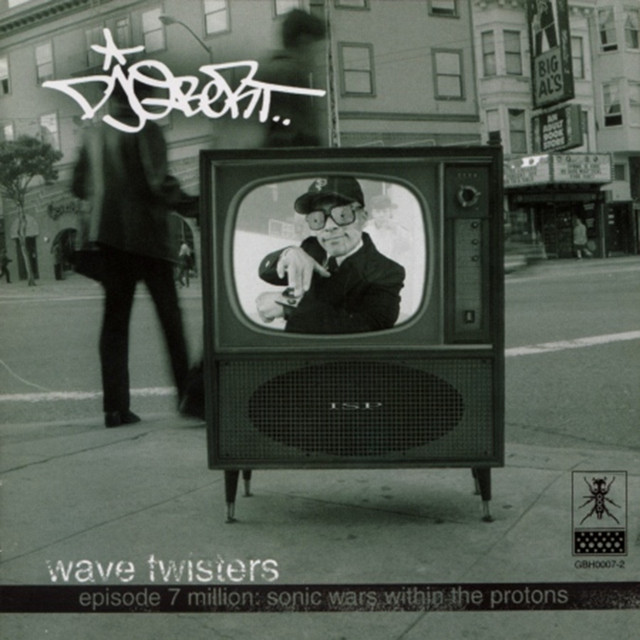
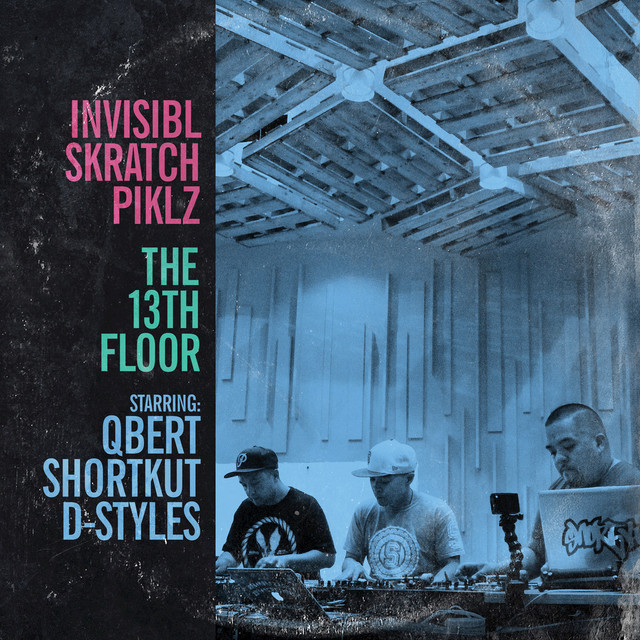
Ambassadors and archetypes: among the most influential turntablists are DJ Q-Bert, a central figure in the Invisibl Scratch Piklz who helped codify modern scratch techniques; Mix Master Mike, known for his high-velocity routines with the Beastie Boys; A-Trak, who blended turntablism with pop-rap visibility and later founded Fool’s Gold Records; DJ Krush, whose atmospheric, sample-based sets bridged hip-hop with electronica in Japan; Cut Chemist and Kid Koala, who expanded storytelling on the decks. These artists and crews turned the turntable into a portable instrument, capable of live composition, live sampling, and live beat creation. The DMC battles, along with the Scratch Party and international crews, further fortified turntablism as a worldwide art form.
Geography and reach: turntablism is most deeply rooted in the United States, but it has flourished across Europe, Japan, and beyond. The UK produced renowned crews and performers in the 1990s and 2000s (Scratch Perverts and others), while France, Germany, and Australia each cultivated their own schools of technique. Today, national championships, collaborative tours, and online platforms have democratized access, making it possible for a new generation to study complex cuts, multi-needle juggling, and crossfader precision from any city.
Technology and evolution: while vinyl remains a cultural touchstone, modern turntablists routinely integrate digital vinyl systems (DVS), controllers, and software—expanding what’s possible while honoring the craft’s tactile roots. Turntablism today lives at the intersection of hip-hop, electronic, and experimental music, appealing to enthusiasts who crave technical mastery, sonic novelty, and a sense of history in each performance. For enthusiasts, turntablism remains a live art: a conversation between hands, records, and room, always evolving while honoring a spark born in basements.
Inspiration and birth: the technique known as scratching is widely credited to Grand Wizzard Theodore, who in the late 1970s reportedly discovered the effect by accident when he moved a record back and forth with his hand while cleaning the needle. Yet the scene that trained him—block parties, crews, and cross-fades—gave the practice rhythm, competition, and purpose. DJs such as Grandmaster Flash refined the art of cutting and mixing on two turntables, setting the template for how a set could become a showcase of technique as much as a playlist. By the mid-1980s the craft had grown into a global culture, formalized in the DMC World DJ Championships and similar battles that celebrated speed, precision, and musical imagination.
Ambassadors and archetypes: among the most influential turntablists are DJ Q-Bert, a central figure in the Invisibl Scratch Piklz who helped codify modern scratch techniques; Mix Master Mike, known for his high-velocity routines with the Beastie Boys; A-Trak, who blended turntablism with pop-rap visibility and later founded Fool’s Gold Records; DJ Krush, whose atmospheric, sample-based sets bridged hip-hop with electronica in Japan; Cut Chemist and Kid Koala, who expanded storytelling on the decks. These artists and crews turned the turntable into a portable instrument, capable of live composition, live sampling, and live beat creation. The DMC battles, along with the Scratch Party and international crews, further fortified turntablism as a worldwide art form.
Geography and reach: turntablism is most deeply rooted in the United States, but it has flourished across Europe, Japan, and beyond. The UK produced renowned crews and performers in the 1990s and 2000s (Scratch Perverts and others), while France, Germany, and Australia each cultivated their own schools of technique. Today, national championships, collaborative tours, and online platforms have democratized access, making it possible for a new generation to study complex cuts, multi-needle juggling, and crossfader precision from any city.
Technology and evolution: while vinyl remains a cultural touchstone, modern turntablists routinely integrate digital vinyl systems (DVS), controllers, and software—expanding what’s possible while honoring the craft’s tactile roots. Turntablism today lives at the intersection of hip-hop, electronic, and experimental music, appealing to enthusiasts who crave technical mastery, sonic novelty, and a sense of history in each performance. For enthusiasts, turntablism remains a live art: a conversation between hands, records, and room, always evolving while honoring a spark born in basements.