Genre
tuvan folk
Top Tuvan folk Artists
Showing 14 of 14 artists

About Tuvan folk
Tuvan folk music is a storied art from the Tyva (Tuva) Republic in southern Siberia, where vast steppes, yak herds, and shamanic traditions have long shaped sound. At its heart lies khoomei, throat singing: a masterful technique that lets a single singer create a melodic overtone above a fundamental drone. What listeners hear is not a single voice but a spectrum—kargyraa’s deep, resonant growl, sygyt’s bright, flute-like overtones, and the more intimate modes of khoomei. This is music of the land and weather, of horse pastures and river mouths, performed in a style that can be intimate in a yurt or expansive on a festival stage.
Origins and historical arc: Tuva’s throat singing transcends borders and centuries, rooted in nomadic life, shamanic practice, and a close bond with animal and elemental imagery. In the 20th century, ethnographers began documenting the tradition, helping to preserve it as a living art during and after periods of political change. The late 20th and early 21st centuries saw a revival that propelled Tuvan folk beyond Tuva’s borders, turning a regional practice into a global sound. The genre now sits at a lively crossroads: traditional forms carried with ceremony and ritual, and contemporary adaptations that invite new textures and collaborations.
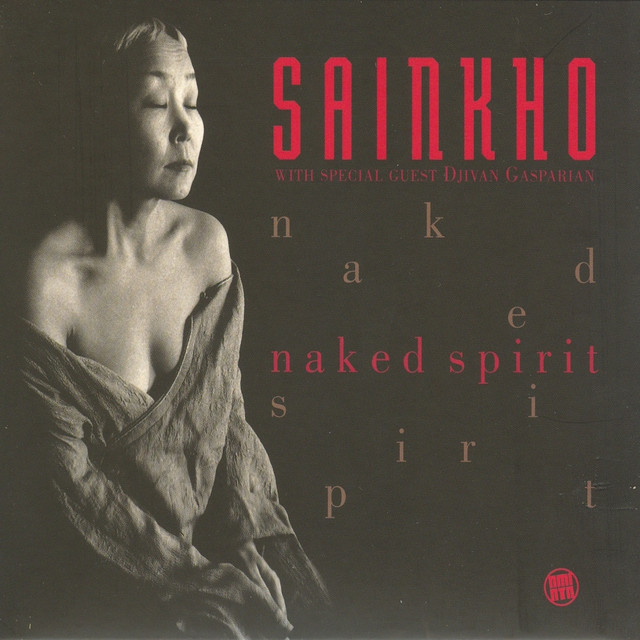
Key artists and ambassadors: Kongar-ool Ondar is widely regarded as a central figure in popularizing Tuvan throat singing internationally, renowned for his expressive performances and cultural storytelling. The ensemble Huun-Huur-Tu, formed in the early 1990s, became one of the first groups to present a broad spectrum of Tuvan styles to world audiences, blending authenticity with cross-cultural collaboration. Albert Kuvezin’s Yat-Kha fused Tuvan throat singing with rock and Western influences, expanding what “folk” can mean within the genre. Sainkho Namtchylak is a pioneering vocalist who pushed Tuvan vocal practice into experimental and contemporary contexts, illustrating the adaptability of the voice. Alash Ensemble, four Tuva-born musicians who formed in North America, has carried the tradition across continents, combining rigorous technique with contemporary performance settings. Together these artists illustrate a spectrum—from preservation and pedagogy to fearless innovation.
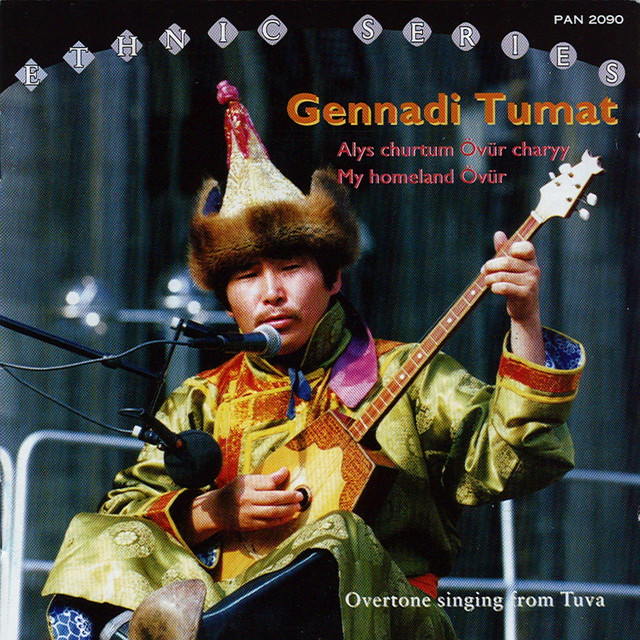
Instruments and sonic character: Traditional Tuvan ensembles often feature instruments such as the doshpuluur (a long-neck lute), igil (a bowed string instrument with a fiddle-like timbre), and topshur (a jaw harp). The music emphasizes storytelling—oftentimes nature, animals, and nomadic life—yet the voice remains the principal vehicle of expression, capable of conjuring vast landscapes with a single breath.
Global reach today: Outside Tuva, Tuvan folk enjoys listening communities in Russia proper, Mongolia, and across Europe and North America, aided by world-music festivals, educational programs, and studio collaborations. For enthusiasts, Tuvan folk offers a doorway into a living tradition that is at once ancient and contemporary: a testament to the power of the human voice to echo the openness of the steppe and a reminder that folk music can evolve without losing its core identity. If you seek music that blends deep tradition with adventurous spirit, Tuvan folk delivers a moving, magnetic experience.
Origins and historical arc: Tuva’s throat singing transcends borders and centuries, rooted in nomadic life, shamanic practice, and a close bond with animal and elemental imagery. In the 20th century, ethnographers began documenting the tradition, helping to preserve it as a living art during and after periods of political change. The late 20th and early 21st centuries saw a revival that propelled Tuvan folk beyond Tuva’s borders, turning a regional practice into a global sound. The genre now sits at a lively crossroads: traditional forms carried with ceremony and ritual, and contemporary adaptations that invite new textures and collaborations.
Key artists and ambassadors: Kongar-ool Ondar is widely regarded as a central figure in popularizing Tuvan throat singing internationally, renowned for his expressive performances and cultural storytelling. The ensemble Huun-Huur-Tu, formed in the early 1990s, became one of the first groups to present a broad spectrum of Tuvan styles to world audiences, blending authenticity with cross-cultural collaboration. Albert Kuvezin’s Yat-Kha fused Tuvan throat singing with rock and Western influences, expanding what “folk” can mean within the genre. Sainkho Namtchylak is a pioneering vocalist who pushed Tuvan vocal practice into experimental and contemporary contexts, illustrating the adaptability of the voice. Alash Ensemble, four Tuva-born musicians who formed in North America, has carried the tradition across continents, combining rigorous technique with contemporary performance settings. Together these artists illustrate a spectrum—from preservation and pedagogy to fearless innovation.
Instruments and sonic character: Traditional Tuvan ensembles often feature instruments such as the doshpuluur (a long-neck lute), igil (a bowed string instrument with a fiddle-like timbre), and topshur (a jaw harp). The music emphasizes storytelling—oftentimes nature, animals, and nomadic life—yet the voice remains the principal vehicle of expression, capable of conjuring vast landscapes with a single breath.
Global reach today: Outside Tuva, Tuvan folk enjoys listening communities in Russia proper, Mongolia, and across Europe and North America, aided by world-music festivals, educational programs, and studio collaborations. For enthusiasts, Tuvan folk offers a doorway into a living tradition that is at once ancient and contemporary: a testament to the power of the human voice to echo the openness of the steppe and a reminder that folk music can evolve without losing its core identity. If you seek music that blends deep tradition with adventurous spirit, Tuvan folk delivers a moving, magnetic experience.