Genre
ugandan pop
Top Ugandan pop Artists
Showing 25 of 67 artists









About Ugandan pop
Ugandan pop is the bright, club-ready facet of Uganda’s vibrant musical landscape. It blends Afrobeat’s infectious groove, dancehall’s buoyant energy, and contemporary pop production with melodic hooks that linger after the last chorus. Lyrics often switch between Luganda and English, sometimes dipping into other local languages, which gives the genre a distinctly Kampala-flavored immediacy and a global appeal at the same time. The result is music designed for radio rotation, festival stages, and bottle-service nights, but with enough regional identity to feel particular to Uganda.
The birth of modern Ugandan pop as a recognizable, export-ready category happened in the late 2000s and early 2010s. Ugandan artists began pairing glossy studio production with homegrown rhythms and bilingual storytelling, helped along by the rise of digital platforms and mobile streaming. Songs began to cross from Kampala’s nightclubs into regional circuits across East Africa, then to the wider African diaspora online. A watershed moment came with the viral spread of Eddy Kenzo’s “Sitya Loss” in 2014, a playful, dance-driven video featuring the famous “Ghetto Kids” that showcased a joyful, accessible side of Ugandan music and helped put Ugandan pop on the global map.
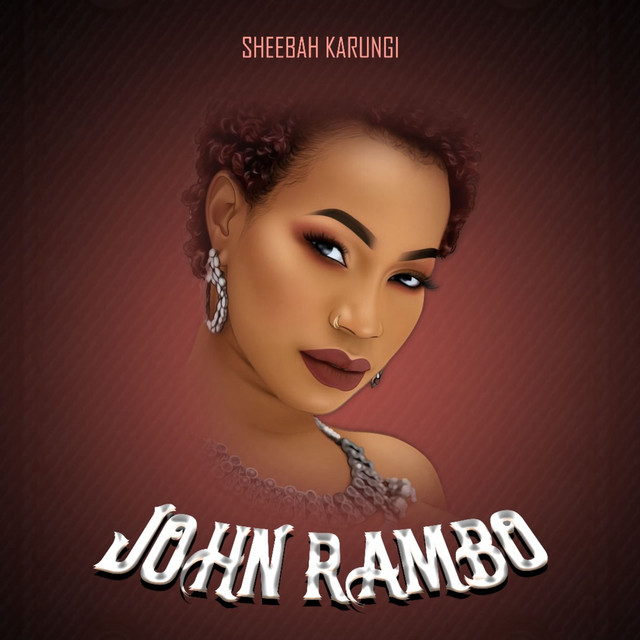
Ambassadors of Ugandan pop span generations. Eddy Kenzo remains the most widely recognized name internationally, not only for his catchy anthems but for the viral power of his videos and dance-forward approach. Bobi Wine, though best known today for his political role, started as a pop and reggae-influenced artist whose music and public persona helped anchor the modern Ugandan pop sensibility in the broader public sphere. On the female side, Sheebah Karungi has been a defining force with a string of danceable hits that fuse pop polish with dancehall grit. In the 2020s, acts like Spice Diana, Vinka, and Winnie Nwagi have sustained the scene’s momentum, while the newer generation—artists such as Kataleya and other young vocalists—continues to push Ugandan pop into international playlists and streaming charts.
Geographically, Ugandan pop is most popular in Uganda and in East Africa, where its rhythms resonate with neighboring markets in Kenya, Tanzania, Rwanda, and parts of the Congo basin. Its appeal extends into the diaspora in Europe, North America, and the Middle East, where Ugandan communities and music fans seek connection through familiar rhythms and language. The genre thrives in festival circuits, club scenes, and YouTube playlists, where visually striking videos and dance challenges amplify songs beyond radio.
Sound-wise, Ugandan pop is versatile: tempo ranges from brisk mid-tempo to energizing high speeds; textures blend synthetic basslines, bright keyboards, and crisp percussion with melody-driven choruses. It’s as much about the hook as the dance move—music that invites you to sing along, then get up and move. For enthusiasts, Ugandan pop offers a gateway into a broader East African contemporary soundscape, a dynamic fusion of local flavor and global pop currents.
The birth of modern Ugandan pop as a recognizable, export-ready category happened in the late 2000s and early 2010s. Ugandan artists began pairing glossy studio production with homegrown rhythms and bilingual storytelling, helped along by the rise of digital platforms and mobile streaming. Songs began to cross from Kampala’s nightclubs into regional circuits across East Africa, then to the wider African diaspora online. A watershed moment came with the viral spread of Eddy Kenzo’s “Sitya Loss” in 2014, a playful, dance-driven video featuring the famous “Ghetto Kids” that showcased a joyful, accessible side of Ugandan music and helped put Ugandan pop on the global map.
Ambassadors of Ugandan pop span generations. Eddy Kenzo remains the most widely recognized name internationally, not only for his catchy anthems but for the viral power of his videos and dance-forward approach. Bobi Wine, though best known today for his political role, started as a pop and reggae-influenced artist whose music and public persona helped anchor the modern Ugandan pop sensibility in the broader public sphere. On the female side, Sheebah Karungi has been a defining force with a string of danceable hits that fuse pop polish with dancehall grit. In the 2020s, acts like Spice Diana, Vinka, and Winnie Nwagi have sustained the scene’s momentum, while the newer generation—artists such as Kataleya and other young vocalists—continues to push Ugandan pop into international playlists and streaming charts.
Geographically, Ugandan pop is most popular in Uganda and in East Africa, where its rhythms resonate with neighboring markets in Kenya, Tanzania, Rwanda, and parts of the Congo basin. Its appeal extends into the diaspora in Europe, North America, and the Middle East, where Ugandan communities and music fans seek connection through familiar rhythms and language. The genre thrives in festival circuits, club scenes, and YouTube playlists, where visually striking videos and dance challenges amplify songs beyond radio.
Sound-wise, Ugandan pop is versatile: tempo ranges from brisk mid-tempo to energizing high speeds; textures blend synthetic basslines, bright keyboards, and crisp percussion with melody-driven choruses. It’s as much about the hook as the dance move—music that invites you to sing along, then get up and move. For enthusiasts, Ugandan pop offers a gateway into a broader East African contemporary soundscape, a dynamic fusion of local flavor and global pop currents.