Genre
uilleann pipes
Top Uilleann pipes Artists
Showing 11 of 11 artists
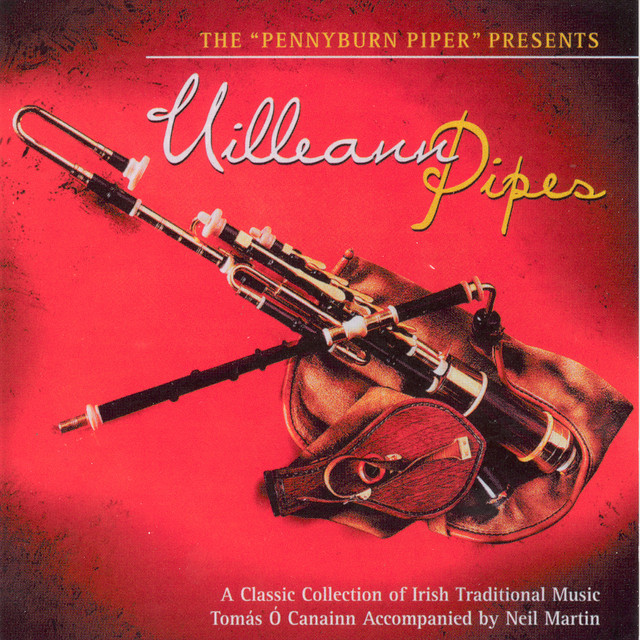

About Uilleann pipes
Uilleann pipes are the intimate, singing heart of Irish traditional music. Unlike many bagpipes, they are bellows-driven, compact, capable of both molto delicate phrasing and powerful, contextual drone-heavy texture. The instrument’s name, uilleann, comes from the Irish Gaelic for “elbow,” a nod to the bellows under the left arm that inflate the bag. The chanter and three drones sit above a flexible bag; what makes the instrument most distinctive are the regulators—flat-keyed keys mounted on the pipe’s side that let a player strike short chords and rhythmic figures, almost like a tiny, portable keyboard.
Originating in Ireland in the 18th century, the uilleann pipes emerged from earlier Irish and continental bagpipes and the evolving craft of bellows-blown piping. By the 19th century, makers in towns such as Dublin and Cork were refining the full set: a chanter for melodies, a drone system that typically includes two tenor drones and a bass drone, and the now-familiar set of regulators. The sound matured into a versatile voice, capable of delicate airs, intricate ornamentation (slides, rolls, and triplets), and the robust, watchful drone that underpins much of Irish dance music.
What sets the instrument apart technically is its air supply and fingering. A superbly controlled air supply—delivered by the bellows rather than the mouth—lets players sustain notes with windless, even pressure and a broad dynamic range. The chanter is normally pitched in D, giving a bright, singing center, but skilled players use cross-fingering and ornamentation to access tunings and modal flavors across a wide span. The drones provide a stabilizing harmonic bed, while the regulators allow polyphonic phrases and chordal accents, giving a solo instrument the sonic breadth of a small ensemble.
The repertory of the uilleann pipes spans the entire spectrum of Irish traditional music: slow airs sung with lamenting beauty, hornpipes and jigs with driving rhythm, and a vast store of reel tunes that glow with energy in session settings. Its flexible dynamics make it well-suited to both intimate concert stages and lively céilí or session environments. In recent decades, the instrument has also found homes in fusion and world-music contexts, where pipers blend the pipes’ distinctive vowels with other traditions, electronics, and jazz influences.
Key artists and ambassadors have helped shape the instrument’s prestige. In the traditional era, Willie Clancy and Seamus Ennis stand as towering figures—Clancy as a legendary master and teacher whose festival in Miltown Malbay became a focal point for learners and fans; Ennis as a collector, broadcaster, and virtuoso who broadened the pipes’ reach beyond Ireland. In the late 20th century, Paddy Moloney of The Chieftains popularized the pipes in mainstream concert settings; Liam O’Flynn (Planxty, solo work) is celebrated for his orchestral command of the pipes’ deep, singing line. Contemporary ambassadors include Cillian Vallely (Lúnasa) and Davy Spillane, who pushed the instrument into new stylistic territories while honoring its tradition. In the Irish-American sphere, artists like Joanie Madden and other notable ensembles have kept the tradition vibrant in North America.
Today, uilleann pipes enjoy particular popularity in Ireland and the United Kingdom, with strong scenes in the United States, Canada, Australia, and parts of Europe. They are celebrated in folk festivals, academic programs, and intimate house concerts alike, a testament to their enduring appeal: a voice that can whisper a ballad as easily as it can drive a dance tune, always radiating that unmistakable, reedy soul of Irish music.
Originating in Ireland in the 18th century, the uilleann pipes emerged from earlier Irish and continental bagpipes and the evolving craft of bellows-blown piping. By the 19th century, makers in towns such as Dublin and Cork were refining the full set: a chanter for melodies, a drone system that typically includes two tenor drones and a bass drone, and the now-familiar set of regulators. The sound matured into a versatile voice, capable of delicate airs, intricate ornamentation (slides, rolls, and triplets), and the robust, watchful drone that underpins much of Irish dance music.
What sets the instrument apart technically is its air supply and fingering. A superbly controlled air supply—delivered by the bellows rather than the mouth—lets players sustain notes with windless, even pressure and a broad dynamic range. The chanter is normally pitched in D, giving a bright, singing center, but skilled players use cross-fingering and ornamentation to access tunings and modal flavors across a wide span. The drones provide a stabilizing harmonic bed, while the regulators allow polyphonic phrases and chordal accents, giving a solo instrument the sonic breadth of a small ensemble.
The repertory of the uilleann pipes spans the entire spectrum of Irish traditional music: slow airs sung with lamenting beauty, hornpipes and jigs with driving rhythm, and a vast store of reel tunes that glow with energy in session settings. Its flexible dynamics make it well-suited to both intimate concert stages and lively céilí or session environments. In recent decades, the instrument has also found homes in fusion and world-music contexts, where pipers blend the pipes’ distinctive vowels with other traditions, electronics, and jazz influences.
Key artists and ambassadors have helped shape the instrument’s prestige. In the traditional era, Willie Clancy and Seamus Ennis stand as towering figures—Clancy as a legendary master and teacher whose festival in Miltown Malbay became a focal point for learners and fans; Ennis as a collector, broadcaster, and virtuoso who broadened the pipes’ reach beyond Ireland. In the late 20th century, Paddy Moloney of The Chieftains popularized the pipes in mainstream concert settings; Liam O’Flynn (Planxty, solo work) is celebrated for his orchestral command of the pipes’ deep, singing line. Contemporary ambassadors include Cillian Vallely (Lúnasa) and Davy Spillane, who pushed the instrument into new stylistic territories while honoring its tradition. In the Irish-American sphere, artists like Joanie Madden and other notable ensembles have kept the tradition vibrant in North America.
Today, uilleann pipes enjoy particular popularity in Ireland and the United Kingdom, with strong scenes in the United States, Canada, Australia, and parts of Europe. They are celebrated in folk festivals, academic programs, and intimate house concerts alike, a testament to their enduring appeal: a voice that can whisper a ballad as easily as it can drive a dance tune, always radiating that unmistakable, reedy soul of Irish music.