Genre
southern thai music
Top Southern thai music Artists
Showing 25 of 658 artists



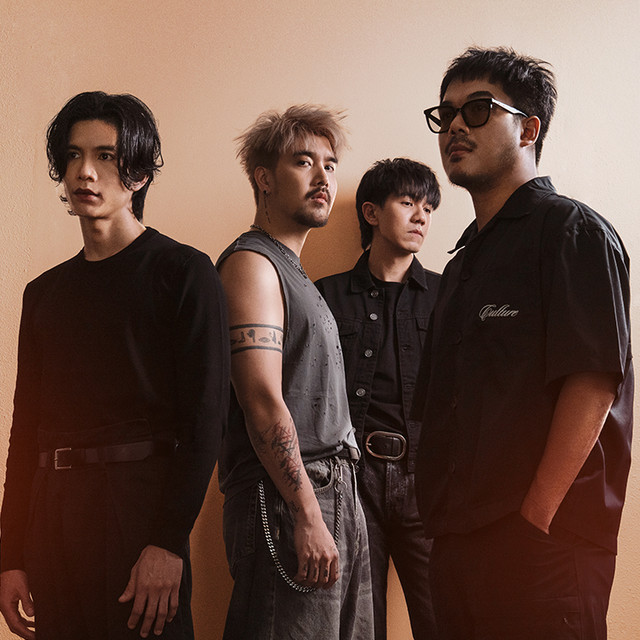
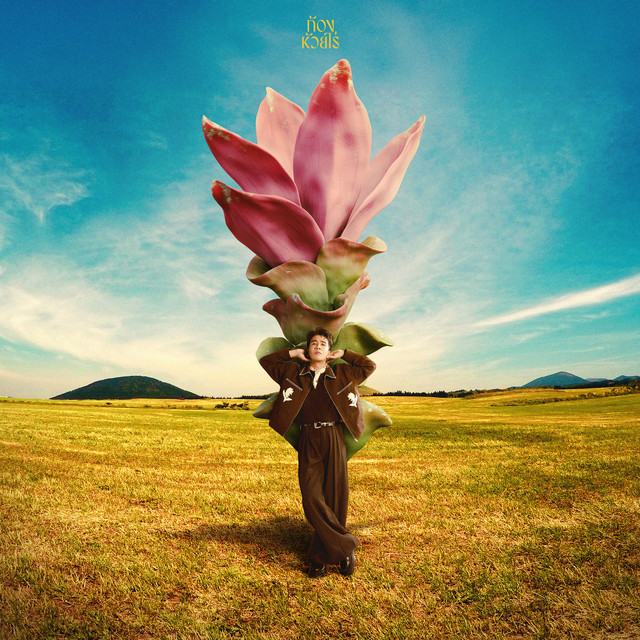


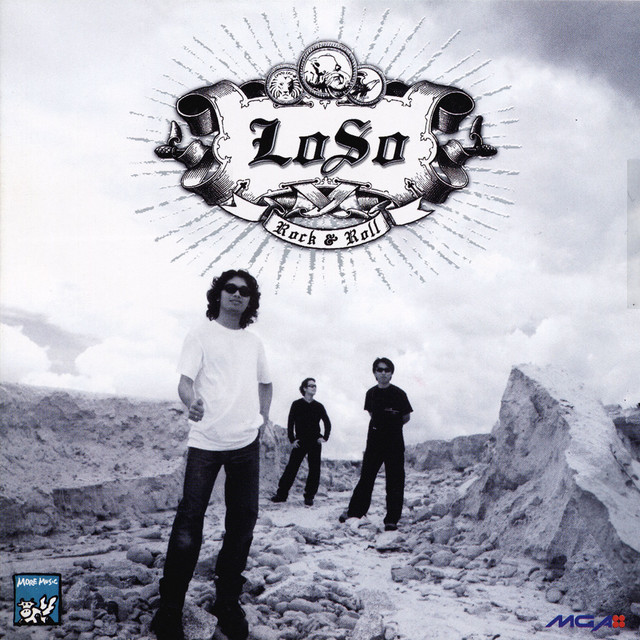

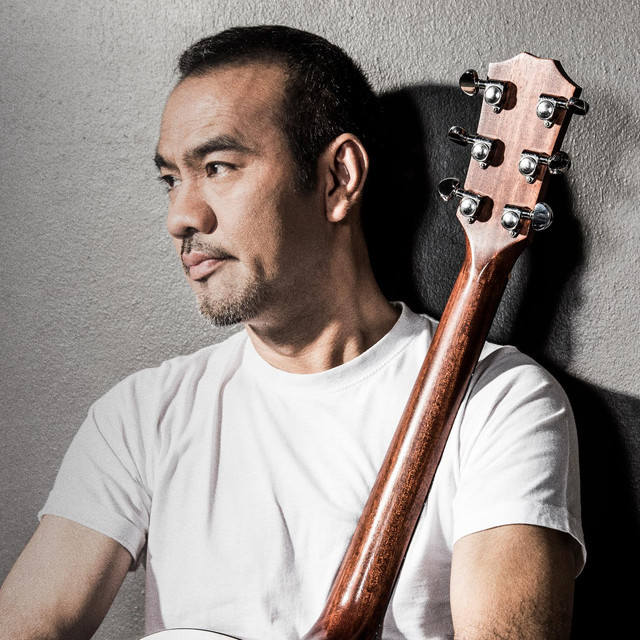
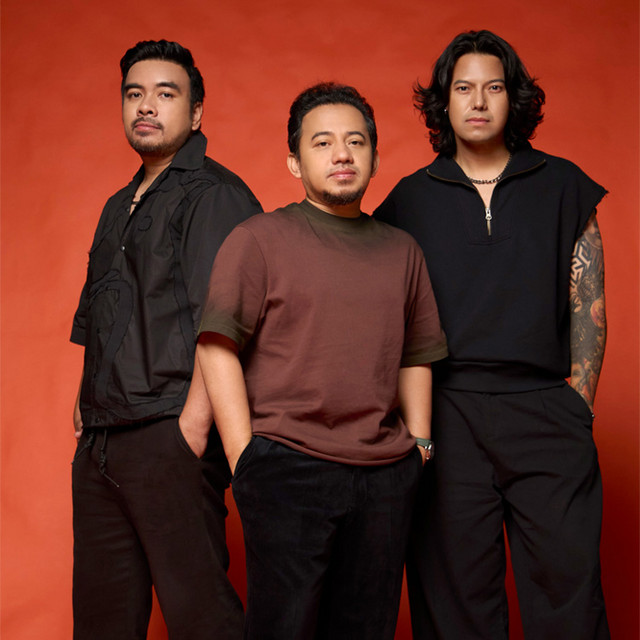



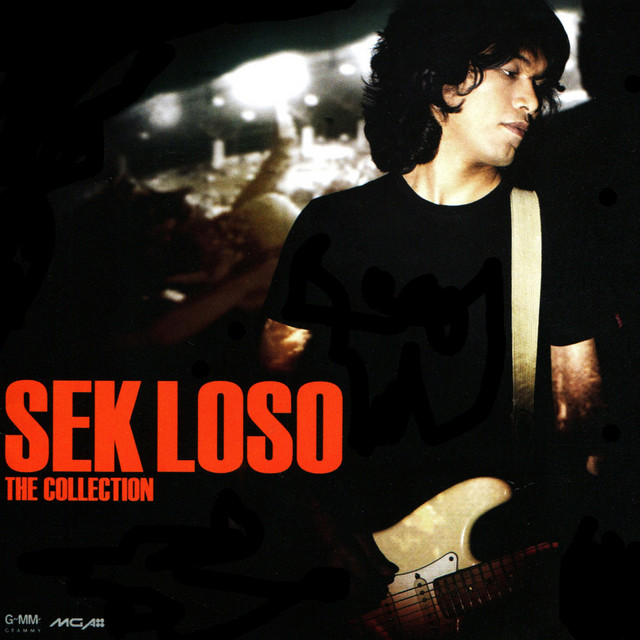
16

ดิด คิตตี้
136,049
721,372 listeners

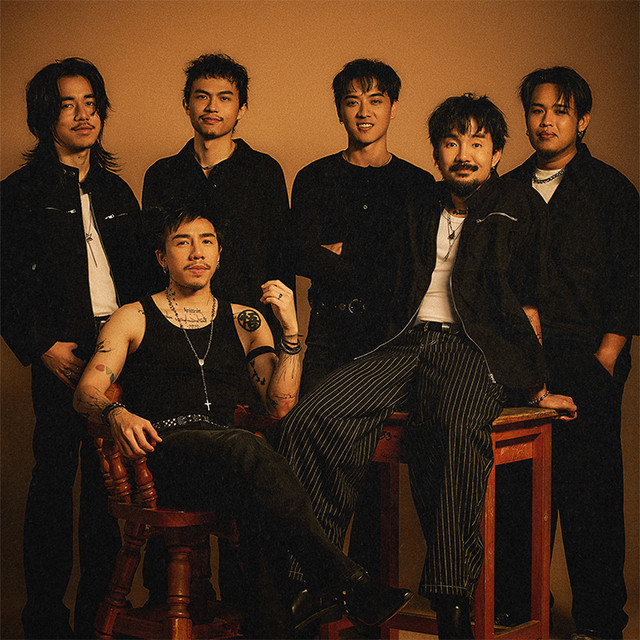
19

คณะขวัญใจ
676,434
669,843 listeners


22

ปราง ปรางทิพย์
121,773
609,465 listeners

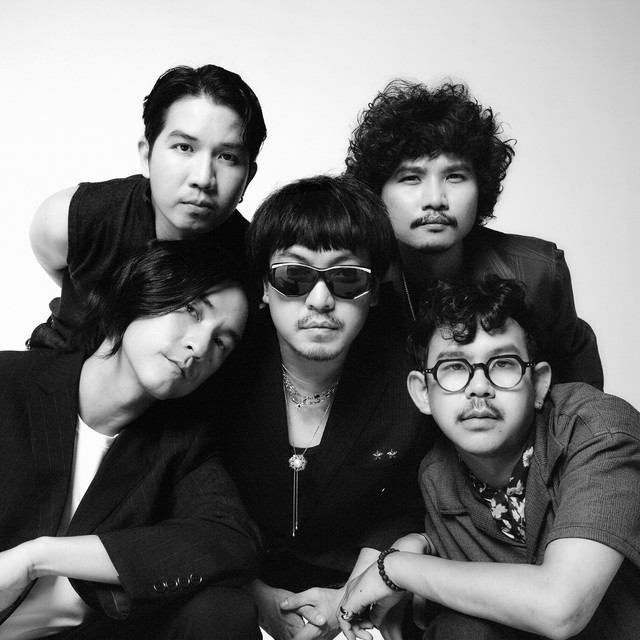
25

วิด ไฮเปอร์
38,359
579,743 listeners
About Southern thai music
Southern Thai music is a regional voice born at the crossroads of Thai and Malay cultures in Thailand’s deep south—the provinces of Pattani, Yala, Narathiwat and parts of Songkhla. It does not reduce to a single sound but to a family of practices that blend Thai melodic thinking with Malay vocal warmth, Islamic ceremonial repertoires, and maritime-influenced rhythms. For enthusiasts, southern Thai music offers a tangible sense of place: sun-warmed percussion, intimate call-and-response singing, and a languid, dusky mood that carries stories through village lanes and along coastal markets.
Origins and evolution trace back to centuries of exchange between Thai-speaking communities and Malay-speaking sultanates along the Pattani Gulf. By the 18th and 19th centuries, local ensembles began fusing Thai courtly tones with Malay folk tunes and religious songs. The 20th century brought radio, recording, and easier cross-border travel, helping to crystallize these sounds into a recognisable regional style while inviting new infusions from contemporary Thai pop and global world-music currents. Today, practitioners continually renegotiate tradition with innovation, keeping the music both rooted and alive.
Musically, the sound sits on a Malay-Thai continuum. Typical ensembles lean on Malay-influenced instruments such as the rebab (bowed fiddle) and gambus (lute), complemented by serunai reed pipes and a variety of drums and percussion. Vocals are expressive and often features of melismatic lines, with call-and-response segments that invite listener participation. The mood can be ritual and lyrical, or buoyant and danceable, with melodic shapes that echo both Malay and Thai modal traditions. A strong, interlocking percussion texture—pulsing and hypnotic—drives the music forward, while dancers may weave through the circle of musicians, creating a living, communal performance.
Among the genre’s most emblematic expressions is the Nora, a dance-drama from Pattani that functions as a flagship performance for southern musical identity. Nora combines song, percussion, and choreography to tell stories of romance, heroism, and village life, and it is widely regarded as the ambassador of the southern sound. Beyond Nora, village ensembles, wedding bands, and contemporary groups sustain traditional cores even as they reinterpret them for new audiences. The result is a music that can feel intimate and ceremonial at once, always anchored in place and tradition.
Ambassadors of the scene include seasoned traditional performers and instrumentalists cherished within community circles, as well as modern artists who fuse southern idioms with hip-hop, rock, or electronic textures to reach younger listeners. While most central to Thailand’s cultural landscape, southern Thai music also finds ardent audiences across Malaysia’s southern belt and among Malay communities in Singapore, with cross-border collaborations and shared festival stages strengthening the regional dialogue.
For enthusiasts, the genre offers an immersive doorway into a distinct Southeast Asian soundscape—an aural world where Thai lyricism meets Malay warmth, where ritual and festival pulse under a canopy of drums, and where tradition remains vibrant in the hands of contemporary storytellers. Listening suggestions include Nora performances, traditional village recordings, and cross-border collaborations that reveal how southern Thai music continues to evolve while honoring its deep roots.
Origins and evolution trace back to centuries of exchange between Thai-speaking communities and Malay-speaking sultanates along the Pattani Gulf. By the 18th and 19th centuries, local ensembles began fusing Thai courtly tones with Malay folk tunes and religious songs. The 20th century brought radio, recording, and easier cross-border travel, helping to crystallize these sounds into a recognisable regional style while inviting new infusions from contemporary Thai pop and global world-music currents. Today, practitioners continually renegotiate tradition with innovation, keeping the music both rooted and alive.
Musically, the sound sits on a Malay-Thai continuum. Typical ensembles lean on Malay-influenced instruments such as the rebab (bowed fiddle) and gambus (lute), complemented by serunai reed pipes and a variety of drums and percussion. Vocals are expressive and often features of melismatic lines, with call-and-response segments that invite listener participation. The mood can be ritual and lyrical, or buoyant and danceable, with melodic shapes that echo both Malay and Thai modal traditions. A strong, interlocking percussion texture—pulsing and hypnotic—drives the music forward, while dancers may weave through the circle of musicians, creating a living, communal performance.
Among the genre’s most emblematic expressions is the Nora, a dance-drama from Pattani that functions as a flagship performance for southern musical identity. Nora combines song, percussion, and choreography to tell stories of romance, heroism, and village life, and it is widely regarded as the ambassador of the southern sound. Beyond Nora, village ensembles, wedding bands, and contemporary groups sustain traditional cores even as they reinterpret them for new audiences. The result is a music that can feel intimate and ceremonial at once, always anchored in place and tradition.
Ambassadors of the scene include seasoned traditional performers and instrumentalists cherished within community circles, as well as modern artists who fuse southern idioms with hip-hop, rock, or electronic textures to reach younger listeners. While most central to Thailand’s cultural landscape, southern Thai music also finds ardent audiences across Malaysia’s southern belt and among Malay communities in Singapore, with cross-border collaborations and shared festival stages strengthening the regional dialogue.
For enthusiasts, the genre offers an immersive doorway into a distinct Southeast Asian soundscape—an aural world where Thai lyricism meets Malay warmth, where ritual and festival pulse under a canopy of drums, and where tradition remains vibrant in the hands of contemporary storytellers. Listening suggestions include Nora performances, traditional village recordings, and cross-border collaborations that reveal how southern Thai music continues to evolve while honoring its deep roots.