Genre
uk funky
Top Uk funky Artists
Showing 25 of 1,448 artists













About Uk funky
UK funky is a London-born dance-music movement that took shape in the mid-to-late 2000s as producers from the UK garage lineage began fusing four-on-the-floor house with Afrobeat, dancehall, and tropical percussion. Born out of club nights and pirate radio across the city’s eastern and southern scenes, it emerged as a distinct sound that could drive a room with warmth, swagger and punchy bass.
Musically, UK funky sits on the 120–130 BPM range, but what sets it apart is its offbeat, swung feel and rhythmic flexibility. The kick stays four-on-the-floor and driving, yet the hats and percussion pulse with a buoyant, syncopated groove that invites movement on multiple planes. Basslines are chunky and infectious, often paired with bright, tropical melodies or stuttering synth hooks. The production aesthetics blend the immediacy of UK bass with the playful, party-ready energy of Caribbean, African and Latin influences, yielding tracks that feel simultaneously rooted and expansive.
Origins and early development took place across London’s clubs and radio, with a community that valued immediacy and shared knowledge. The scene benefited from the immediacy of pirate radio, the reach of formal radio blocks on stations like Rinse FM, and a network of independent producers releasing tracks that circulated through vinyl, white label, and early digital platforms. Over time, UK funky influenced a broad spectrum of club music, contributing to the cross-pollination that would shape post-dubstep, bassline, and contemporary house forms.
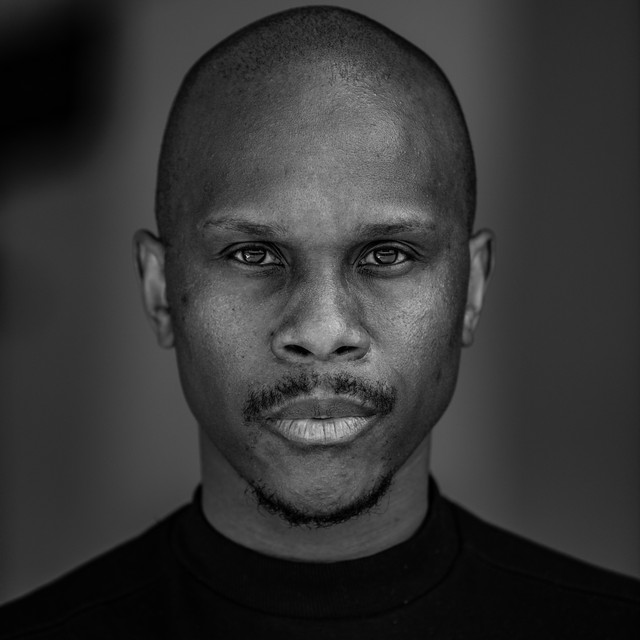
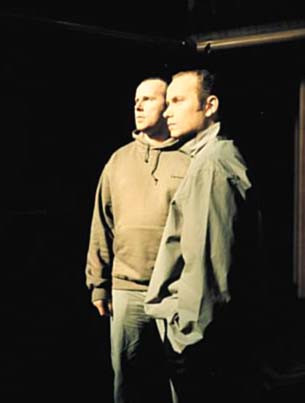
Key artists and ambassadors: no single name defines the movement, but several figures are widely recognized for shaping its direction. Roska is frequently cited as one of the scene’s most influential producers and DJs, helping to crystallize the sound with a string of essential releases and club sets. Joy Orbison, while often described in the broader post-dubstep and UK bass conversation, carried the funky energy into the late-2000s era, serving as a bridge between scenes and drawing attention to the London sound on a global scale. The broader ecosystem—radio platforms like Rinse FM, and labels and collectives connected to that scene—also played a crucial role in sustaining the sound, giving DJs and producers a home for experimentation and discovery. Night Slugs and related collectives/labels later helped broaden the conversation around UK-derived bass music, fostering cross-pollination with other underground movements while keeping the funky spirit alive on the dancefloor.
Geographically, the core of UK funky remains the United Kingdom—especially London, but with strong followings in other UK cities such as Bristol, Manchester, and Birmingham. Its global footprint widened over the years, as European clubs, North American explorers, and Africa’s diaspora show continued appetite for the upbeat, percussive, and melodically buoyant vibe of the sound. In many ways, UK funky helped reframe what it meant for UK dance music to feel tropical, soulful, and relentlessly danceable.
Today the genre’s legacy endures in the way it opened doors for hybrid club music—emphasizing rhythm, bass, and groove as a universal language. For enthusiasts, UK funky remains a compelling chapter in the story of 21st-century dance culture: a moment when UK energy met global textures to create something both celebratory and forward-looking.
Musically, UK funky sits on the 120–130 BPM range, but what sets it apart is its offbeat, swung feel and rhythmic flexibility. The kick stays four-on-the-floor and driving, yet the hats and percussion pulse with a buoyant, syncopated groove that invites movement on multiple planes. Basslines are chunky and infectious, often paired with bright, tropical melodies or stuttering synth hooks. The production aesthetics blend the immediacy of UK bass with the playful, party-ready energy of Caribbean, African and Latin influences, yielding tracks that feel simultaneously rooted and expansive.
Origins and early development took place across London’s clubs and radio, with a community that valued immediacy and shared knowledge. The scene benefited from the immediacy of pirate radio, the reach of formal radio blocks on stations like Rinse FM, and a network of independent producers releasing tracks that circulated through vinyl, white label, and early digital platforms. Over time, UK funky influenced a broad spectrum of club music, contributing to the cross-pollination that would shape post-dubstep, bassline, and contemporary house forms.
Key artists and ambassadors: no single name defines the movement, but several figures are widely recognized for shaping its direction. Roska is frequently cited as one of the scene’s most influential producers and DJs, helping to crystallize the sound with a string of essential releases and club sets. Joy Orbison, while often described in the broader post-dubstep and UK bass conversation, carried the funky energy into the late-2000s era, serving as a bridge between scenes and drawing attention to the London sound on a global scale. The broader ecosystem—radio platforms like Rinse FM, and labels and collectives connected to that scene—also played a crucial role in sustaining the sound, giving DJs and producers a home for experimentation and discovery. Night Slugs and related collectives/labels later helped broaden the conversation around UK-derived bass music, fostering cross-pollination with other underground movements while keeping the funky spirit alive on the dancefloor.
Geographically, the core of UK funky remains the United Kingdom—especially London, but with strong followings in other UK cities such as Bristol, Manchester, and Birmingham. Its global footprint widened over the years, as European clubs, North American explorers, and Africa’s diaspora show continued appetite for the upbeat, percussive, and melodically buoyant vibe of the sound. In many ways, UK funky helped reframe what it meant for UK dance music to feel tropical, soulful, and relentlessly danceable.
Today the genre’s legacy endures in the way it opened doors for hybrid club music—emphasizing rhythm, bass, and groove as a universal language. For enthusiasts, UK funky remains a compelling chapter in the story of 21st-century dance culture: a moment when UK energy met global textures to create something both celebratory and forward-looking.