Genre
math rock
Top Math rock Artists
Showing 25 of 2,384 artists



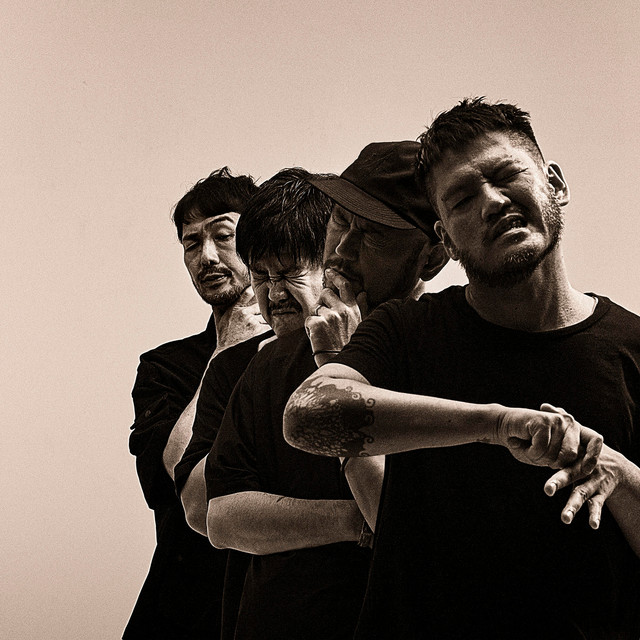
21

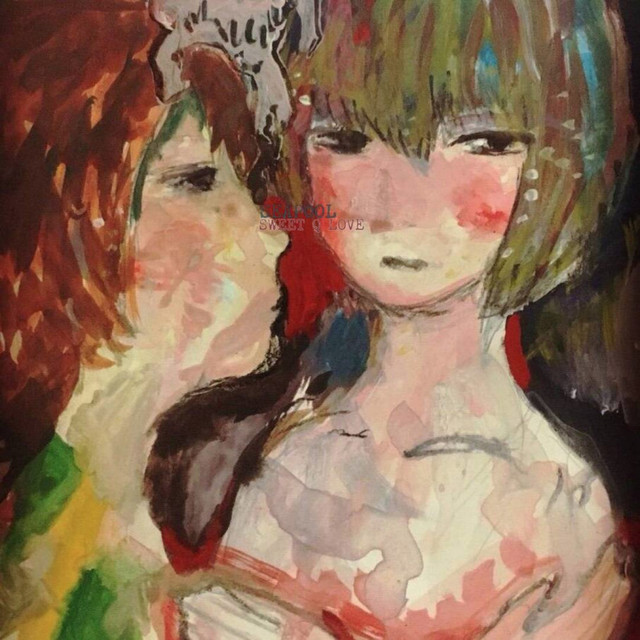
百景
Japan
100,272
328,519 listeners

About Math rock
Math rock is a guitar-forward, rhythmically inventive branch of indie and experimental rock defined by its love of irregular meters, intricate interlocking parts, and sudden shifts in dynamics. It often treats rhythm as a main melodic driver, with guitars weaving tight, mathematics-inspired patterns rather than following a steady, predictable pulse. Expect polyrhythms, meters like 5/4, 7/8, or 11/8, sharp stop-and-go sections, and textures that range from razor-sharp stabs to expansive, echoing chords. The result is music that rewards attentive listening: microtiming, groove, and counterpoint in the same breath.
The genre crystallized in the late 1980s and early 1990s, taking root in the American underground scene that fused post-hardcore, math-influenced complexity, and indie ethos. It drew on the experimental edge of bands exploring posture, tempo, and structure rather than conventional rock storytelling. Slint’s Spiderland (1991), often cited as a formative touchstone, helped establish a vocabulary of dynamic shifts and unconventional phrasing that many math rock bands would explore further. In the mid-1990s and beyond, a core American contingent—most notably Don Caballero and Shellac—pushed the style into densely intricate instrumental work and driving, machine-like precision. From there, the scene spread, absorbing players who prized mathematical rigor as a compositional tool rather than purely a gimmick.
Key artists and ambassadors
- Slint: Proto-pioneers whose stark, tense arrangements laid groundwork for rhythm-centric rock.
- Don Caballero: Known for long, highly intricate instrumentals and machine-like drumming, a touchstone for math-derived rhythm gymnastics.
- Shellac: Steve Albini’s terse, angular songs paired abrasive guitar textures with exacting time feels.
- Hella: A ferociously fast, experimental duo that pushed tempo, ferocity, and odd meters into almost prog-metal territory.
- Battles: A defining late-2000s voice in math rock’s crossover appeal, blending looping grooves with exploratory electronics and heavy textures.
- TTNG (This Town Needs Guns): UK contributors who fused melodic lines with irregular meters in a concise, song-centered approach.
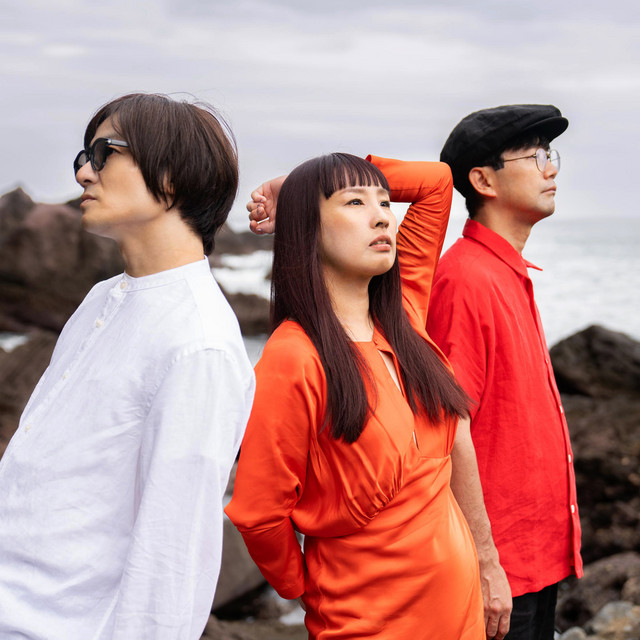
- Toe and Tricot (Japan): Prominent international ambassadors who kept the flame alive with tight, nimble guitar work and emotionally expressive playing.
- Chon: An American act that popularized a more fluid, virtuoso take on math-influenced rock with a sunny, technical edge.
Geography and scene
Math rock remains most vibrant in the United States—especially in Midwest hubs and on the West Coast—where many of its formative bands emerged. It has a strong and growing presence in the United Kingdom and mainland Europe, where readers and listeners often discover tight, live-drama performances. Japan has become a major focal point as well, with a robust scene that values technical dexterity and precise, agile guitar work. Beyond traditional scenes, the internet age has helped connect enthusiasts globally, allowing a broader exchange of intricate tunes, DIY labels, and international collaborations.
Recommended entry points
- Slint — Spiderland (for a proto-mortality of rhythm and dynamics)
- Don Caballero — American Don (ultra-precise instrumental giants)
- Battles — Mirrored (rhythmic invention with electronic textures)
- TTNG — 3 (UK-based, song-focused math-influenced complexity)
- Toe — The Book About My Idle Plot on a Vague Anxiety (Japanese precision and warmth)
- Tricot — A N D (Japanese trio blending catchy hooks with math rigidity)
For enthusiasts, math rock is less about speed and showmanship and more about the exhilaration of listening to complex structures click into place—often in surprising, almost tactile ways.
The genre crystallized in the late 1980s and early 1990s, taking root in the American underground scene that fused post-hardcore, math-influenced complexity, and indie ethos. It drew on the experimental edge of bands exploring posture, tempo, and structure rather than conventional rock storytelling. Slint’s Spiderland (1991), often cited as a formative touchstone, helped establish a vocabulary of dynamic shifts and unconventional phrasing that many math rock bands would explore further. In the mid-1990s and beyond, a core American contingent—most notably Don Caballero and Shellac—pushed the style into densely intricate instrumental work and driving, machine-like precision. From there, the scene spread, absorbing players who prized mathematical rigor as a compositional tool rather than purely a gimmick.
Key artists and ambassadors
- Slint: Proto-pioneers whose stark, tense arrangements laid groundwork for rhythm-centric rock.
- Don Caballero: Known for long, highly intricate instrumentals and machine-like drumming, a touchstone for math-derived rhythm gymnastics.
- Shellac: Steve Albini’s terse, angular songs paired abrasive guitar textures with exacting time feels.
- Hella: A ferociously fast, experimental duo that pushed tempo, ferocity, and odd meters into almost prog-metal territory.
- Battles: A defining late-2000s voice in math rock’s crossover appeal, blending looping grooves with exploratory electronics and heavy textures.
- TTNG (This Town Needs Guns): UK contributors who fused melodic lines with irregular meters in a concise, song-centered approach.
- Toe and Tricot (Japan): Prominent international ambassadors who kept the flame alive with tight, nimble guitar work and emotionally expressive playing.
- Chon: An American act that popularized a more fluid, virtuoso take on math-influenced rock with a sunny, technical edge.
Geography and scene
Math rock remains most vibrant in the United States—especially in Midwest hubs and on the West Coast—where many of its formative bands emerged. It has a strong and growing presence in the United Kingdom and mainland Europe, where readers and listeners often discover tight, live-drama performances. Japan has become a major focal point as well, with a robust scene that values technical dexterity and precise, agile guitar work. Beyond traditional scenes, the internet age has helped connect enthusiasts globally, allowing a broader exchange of intricate tunes, DIY labels, and international collaborations.
Recommended entry points
- Slint — Spiderland (for a proto-mortality of rhythm and dynamics)
- Don Caballero — American Don (ultra-precise instrumental giants)
- Battles — Mirrored (rhythmic invention with electronic textures)
- TTNG — 3 (UK-based, song-focused math-influenced complexity)
- Toe — The Book About My Idle Plot on a Vague Anxiety (Japanese precision and warmth)
- Tricot — A N D (Japanese trio blending catchy hooks with math rigidity)
For enthusiasts, math rock is less about speed and showmanship and more about the exhilaration of listening to complex structures click into place—often in surprising, almost tactile ways.