Genre
uyghur pop
Top Uyghur pop Artists
Showing 25 of 29 artists

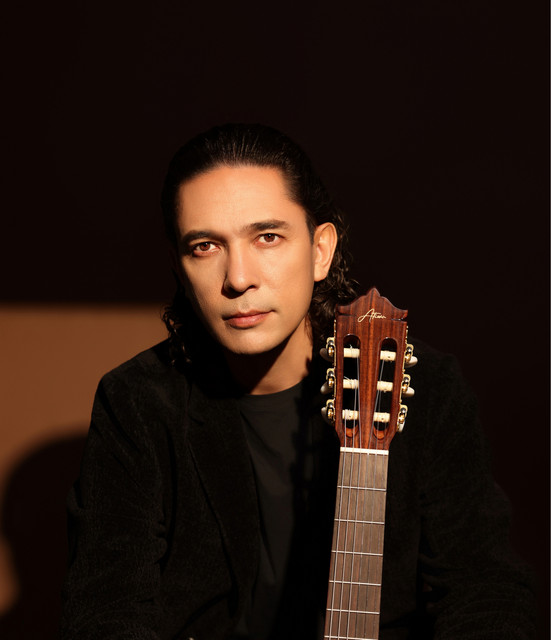


About Uyghur pop
Uyghur pop is a contemporary music genre sung in the Uyghur language that blends the region’s traditional musical sensibilities with the energy and polish of global pop. It is not a single sound, but a spectrum of songs and productions that carry Uyghur identity into the modern dance floor, radio, and streaming playlists. At its core, Uyghur pop sits at the intersection of heritage and youth culture, absorbing hip‑hop, R&B, electronic dance music, and Western pop arrangments while keeping the distinctive melodic shapes and poetic sensibilities of Uyghur musical aesthetics.
Origins and development
Uyghur pop began to crystallize in the late 20th century in Xinjiang’s urban centers, especially Ürümqi, as local musicians started composing in Uyghur that could compete with the rising tide of Chinese and international pop. The movement grew through the 2000s, driven by advances in recording technology, the spread of music videos, and the emergence of independent labels within Xinjiang and among the Uyghur diaspora. It sits alongside and sometimes alongside traditional Uyghur muqam performance, in which intricate melodic improvisation and modal scales meet modern studio production. UNESCO’s recognition of Uyghur muqam as intangible cultural heritage helped orient contemporary artists toward a respect for roots even as they push into new sonic territories.
Musical and lyrical character
The sonic palette of Uyghur pop ranges from bright, danceable cuts to moodier, meditative ballads. Common features include melodic ornamentation drawn from Uyghur folk singing, modal inflections that hint at folk tune systems, and a penchant for expressive vocal melismas. Modern productions often emphasize strong bass lines, crisp drum programming, layered synths, and gloss—yet many tracks preserve traditional accents, such as the use of traditional instruments (like tanbur, dutar, or rawap) either in the arrangement or as sampled textures. Lyrically, Uyghur pop often treats themes of love, longing, homeland, diaspora, resilience, and social change, with imagery that recalls deserts, cities, and the Silk Road legacies of Uyghur culture. The language itself—Uyghur—remains a deliberate and proud vehicle for storytelling, sometimes in dialogue with Turkish, Kazakh, or Chinese influences in bilingual or cross-cultural songs.
Geography and audience
In China, Uyghur pop has a strong audience within Xinjiang and among Uyghur-speaking communities in Central Asia. Beyond the region, diaspora communities in Turkey, Sweden, Germany, Kazakhstan, Kyrgyzstan, and other parts of Europe and Asia have been vital to the genre’s global reach. The rise of online platforms—YouTube, Douyin/Tieba, Spotify, and other streaming services—has allowed Uyghur pop to travel quickly, connecting listeners who share Uyghur language and culture but live far apart geographically. In this sense, the genre functions as both entertainment and cultural bridge, inviting curious listeners to explore a language and sound world that is rooted in Central Asian history while energized by contemporary production.
Artists and ambassadors
Uyghur pop is carried by a generation of artists who stem from Xinjiang’s studios and the global Uyghur diaspora. They act as ambassadors by maintaining Uyghur language in contemporary formats, collaborating across genres, and performing at venues and festivals that welcome cross-cultural programming. While specific names rise and fall with each season of releases, the archetype is clear: artists who honor traditional melodic sensibilities while crafting crisp, modern pop that speaks to both local listeners and international audiences. If you’d like, I can provide a verified, up-to-date list of key artists and ambassadors with brief bios and representative works.
Origins and development
Uyghur pop began to crystallize in the late 20th century in Xinjiang’s urban centers, especially Ürümqi, as local musicians started composing in Uyghur that could compete with the rising tide of Chinese and international pop. The movement grew through the 2000s, driven by advances in recording technology, the spread of music videos, and the emergence of independent labels within Xinjiang and among the Uyghur diaspora. It sits alongside and sometimes alongside traditional Uyghur muqam performance, in which intricate melodic improvisation and modal scales meet modern studio production. UNESCO’s recognition of Uyghur muqam as intangible cultural heritage helped orient contemporary artists toward a respect for roots even as they push into new sonic territories.
Musical and lyrical character
The sonic palette of Uyghur pop ranges from bright, danceable cuts to moodier, meditative ballads. Common features include melodic ornamentation drawn from Uyghur folk singing, modal inflections that hint at folk tune systems, and a penchant for expressive vocal melismas. Modern productions often emphasize strong bass lines, crisp drum programming, layered synths, and gloss—yet many tracks preserve traditional accents, such as the use of traditional instruments (like tanbur, dutar, or rawap) either in the arrangement or as sampled textures. Lyrically, Uyghur pop often treats themes of love, longing, homeland, diaspora, resilience, and social change, with imagery that recalls deserts, cities, and the Silk Road legacies of Uyghur culture. The language itself—Uyghur—remains a deliberate and proud vehicle for storytelling, sometimes in dialogue with Turkish, Kazakh, or Chinese influences in bilingual or cross-cultural songs.
Geography and audience
In China, Uyghur pop has a strong audience within Xinjiang and among Uyghur-speaking communities in Central Asia. Beyond the region, diaspora communities in Turkey, Sweden, Germany, Kazakhstan, Kyrgyzstan, and other parts of Europe and Asia have been vital to the genre’s global reach. The rise of online platforms—YouTube, Douyin/Tieba, Spotify, and other streaming services—has allowed Uyghur pop to travel quickly, connecting listeners who share Uyghur language and culture but live far apart geographically. In this sense, the genre functions as both entertainment and cultural bridge, inviting curious listeners to explore a language and sound world that is rooted in Central Asian history while energized by contemporary production.
Artists and ambassadors
Uyghur pop is carried by a generation of artists who stem from Xinjiang’s studios and the global Uyghur diaspora. They act as ambassadors by maintaining Uyghur language in contemporary formats, collaborating across genres, and performing at venues and festivals that welcome cross-cultural programming. While specific names rise and fall with each season of releases, the archetype is clear: artists who honor traditional melodic sensibilities while crafting crisp, modern pop that speaks to both local listeners and international audiences. If you’d like, I can provide a verified, up-to-date list of key artists and ambassadors with brief bios and representative works.