Genre
vaudeville
Top Vaudeville Artists
Showing 10 of 10 artists
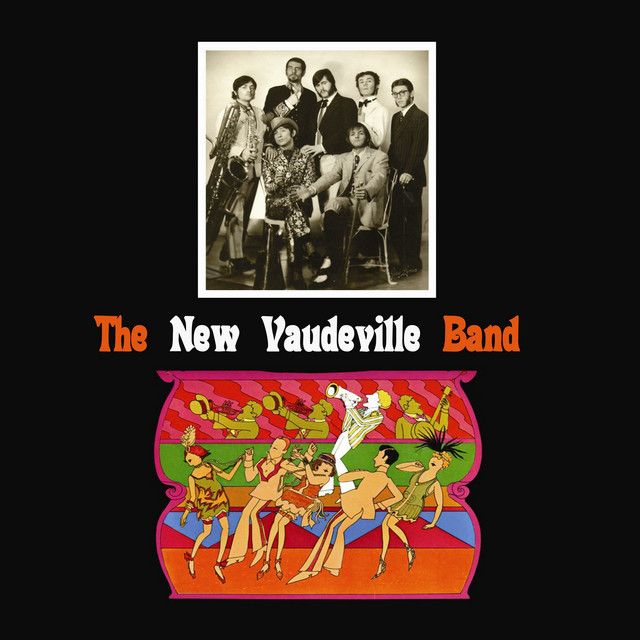


About Vaudeville
Vaudeville is the North American cornerstone of variety entertainment, a stage format that packed dozens of acts into a single evening. From the 1880s through the early 1930s, theatres across the United States and Canada hosted fast-paced bills of songs, sketches, dance, magic, ventriloquism, and novelty acts. It was not one style but a diverse ecosystem—a business model, a repertoire, and a set of stage rules that helped shape what later audiences would call “variety.” The shows prized mass appeal: clean humor, high energy, and relentless pace that kept crowds cheering through long evenings.
Origins and rise: Vaudeville grew from 19th‑century French influence, but in America it fused minstrel, burlesque, and immigrant performance traditions. By the turn of the century it organized into national circuits—the Orpheum, Keith-Albee, and Pantages—plus countless local houses. The format offered a platform for singers, dancers, comedians, magicians, ventriloquists, and novelty acts. The double act became a vaudeville staple, and acts often reflected the nation’s melting pot. Behind the scenes, road crews, quick changes, and touring schedules made the business as famous as the stars.
Ambassadors and acts: The pantheon of vaudeville’s enduring names includes Al Jolson, Fanny Brice, Eddie Cantor, Mae West, Sophie Tucker, Will Rogers, Bob Hope, and the Marx Brothers, who cut their teeth in vaudeville before Broadway and Hollywood. Dancers like Fred Astaire and Ginger Rogers refined their craft on the circuit; Houdini thrilled audiences with feats of magic; later generations carried the torch into radio and film. The form prized versatility and personality—sentimental ballads, political wit, or dazzling illusions—delivered in a single, high-energy evening. Jolson’s rise as a talking singer and The Jazz Singer’s release cemented vaudeville’s place in history even as cinema rose.
Geography and legacy: Vaudeville flourished mainly in the United States and Canada, with hubs in New York, Chicago, and San Francisco, and Canadian cities feeding a robust circuit. Its British and Australian cousins—the music hall and touring revues—shared DNA, but vaudeville remained distinctly North American. Economic shifts, radio, and the advent of talking pictures by the late 1920s and early 1930s deflated the live bill. Yet the structure survived as the seedbed for later variety shows, stand-up, and musical theatre. For music enthusiasts, vaudeville offers a compact history of early 20th‑century genre fusion, timing, and stagecraft. Its spirit lives on in today’s variety programs, late-night talk shows, and musical-theatre revues that still borrow vaudeville’s quick-change humor and multi-act pacing.
Origins and rise: Vaudeville grew from 19th‑century French influence, but in America it fused minstrel, burlesque, and immigrant performance traditions. By the turn of the century it organized into national circuits—the Orpheum, Keith-Albee, and Pantages—plus countless local houses. The format offered a platform for singers, dancers, comedians, magicians, ventriloquists, and novelty acts. The double act became a vaudeville staple, and acts often reflected the nation’s melting pot. Behind the scenes, road crews, quick changes, and touring schedules made the business as famous as the stars.
Ambassadors and acts: The pantheon of vaudeville’s enduring names includes Al Jolson, Fanny Brice, Eddie Cantor, Mae West, Sophie Tucker, Will Rogers, Bob Hope, and the Marx Brothers, who cut their teeth in vaudeville before Broadway and Hollywood. Dancers like Fred Astaire and Ginger Rogers refined their craft on the circuit; Houdini thrilled audiences with feats of magic; later generations carried the torch into radio and film. The form prized versatility and personality—sentimental ballads, political wit, or dazzling illusions—delivered in a single, high-energy evening. Jolson’s rise as a talking singer and The Jazz Singer’s release cemented vaudeville’s place in history even as cinema rose.
Geography and legacy: Vaudeville flourished mainly in the United States and Canada, with hubs in New York, Chicago, and San Francisco, and Canadian cities feeding a robust circuit. Its British and Australian cousins—the music hall and touring revues—shared DNA, but vaudeville remained distinctly North American. Economic shifts, radio, and the advent of talking pictures by the late 1920s and early 1930s deflated the live bill. Yet the structure survived as the seedbed for later variety shows, stand-up, and musical theatre. For music enthusiasts, vaudeville offers a compact history of early 20th‑century genre fusion, timing, and stagecraft. Its spirit lives on in today’s variety programs, late-night talk shows, and musical-theatre revues that still borrow vaudeville’s quick-change humor and multi-act pacing.