Genre
veena
Top Veena Artists
Showing 16 of 16 artists


About Veena
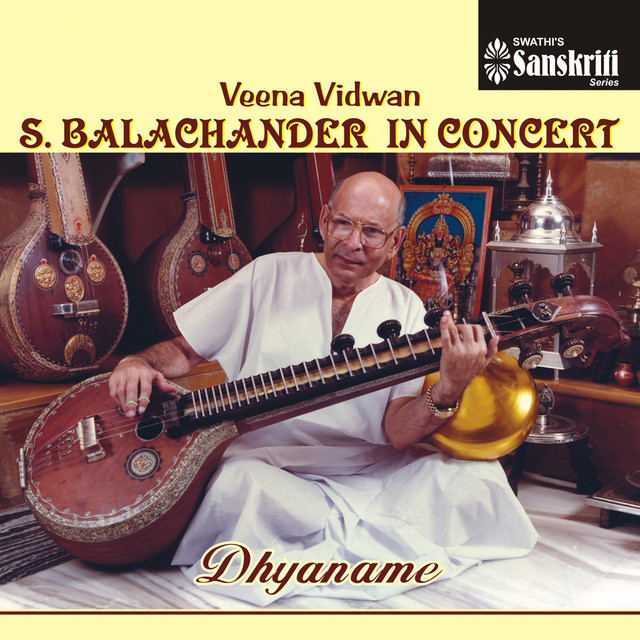
Veena is not just an instrument; it’s a musical lineage that has threaded itself through the fabric of Indian classical sound for centuries. In common usage today, “veena” often refers to the Saraswati veena of the Carnatic tradition and the Rudra veena of the Hindustani tradition—the two branches that most clearly carry the voice of the veena across regions and eras. Though the family of veena instruments is ancient, the genre’s modern heartbeat sits in the long arc from ancient courts to contemporary concert halls.
Origins and birth of the genre
The veena’s roots are ancient and storied. The instrument is mentioned in Sanskrit texts and the Natya Shastra (completed roughly in the early centuries CE), where a family of plucked lutes is described as the “veenā.” This poetic lineage blossomed over centuries, splitting into regional styles. In South India, the Saraswati veena emerged as a sophisticated, lute-like instrument with a large resonator and a long neck, designed to sustain the complex, ornamented melodies of Carnatic music. In the North, the Rudra veena became a mainstay of the dhrupad tradition, prized for its deep, contemplative timbre and long sustain. By the late medieval and early modern periods, these designs had crystallized into recognizable concert instruments, each serving a distinct aesthetic—bright, shimmering solos in Carnatic concerts, and a meditative, drone-supported gravity in Hindustani repertoire.
What the genre sounds like
A veena performance hinges on mellifluous, precise intonation, and a masterful deployment of gamakas (ornamentations) and glides. The instrument’s bright, singing tone can float over a drone and sympathetic strings, weaving elaborate melodic improvisation with compositional rigor. The Saraswati veena favors a clear, radiant timbre suited to fast, intricate phrases and long, contemplative meends (glides). The Rudra veena offers a deeper, almost reverberant resonance, inviting a more austere, introspective mood. Across both forms, players emphasize control, touch, and a nuanced phrasing that makes every note feel alive.
Key artists and ambassadors
- Veena Dhanammal (late 19th to mid-20th century): a foundational figure whose instrumental phrasing and repertoire shaped how the veena is taught and heard in Carnatic music.
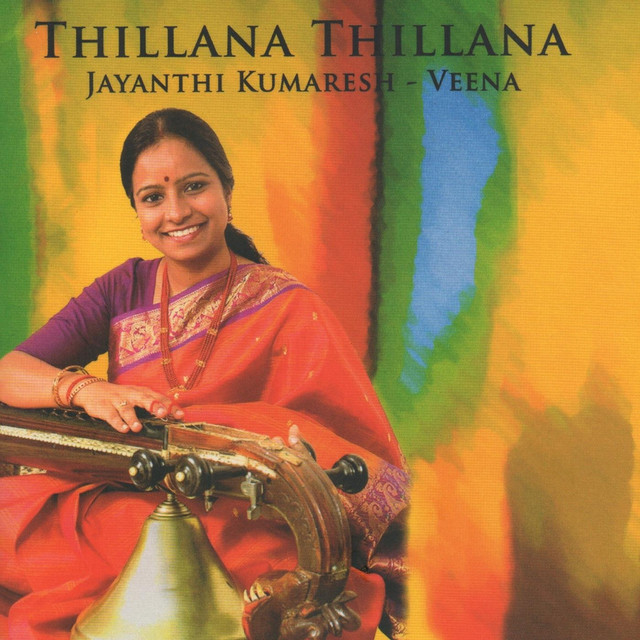
- Jayanthi Kumaresh (contemporary): a leading modern virtuoso known for virtuosic technique, expressive depth, and a prolific touring and recording schedule that has helped bring the instrument to global audiences.
- Rajesh Vaidhya (contemporary): a virtuosic and charismatic performer who blends traditional veena playing with contemporary fusion and high-energy live shows, expanding the instrument’s reach.
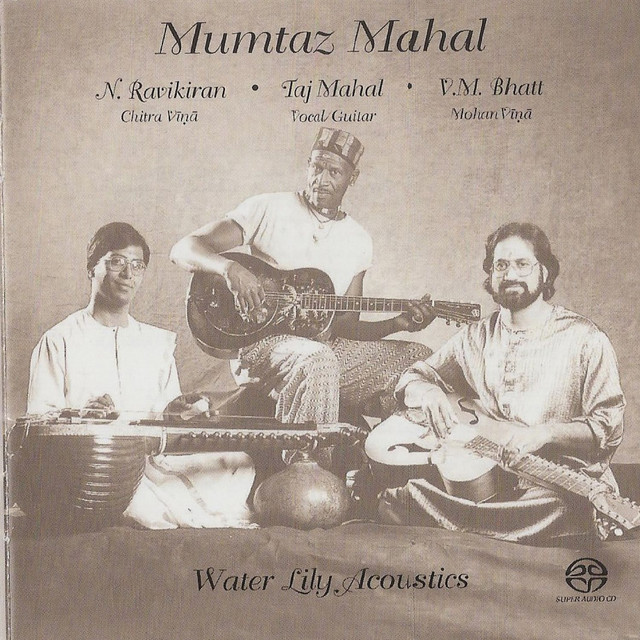
- N. Ravikiran (composer and performer): a tireless advocate for the veena, pedagogue, and innovator who has developed new approaches to raga theory and pedagogy, helping the instrument reach new listeners.
These figures, among others, serve as ambassadors—linking the veena’s ancient language to today’s varied concerts, recordings, and educational ventures.
Global reach
The veena is most profoundly rooted in India—particularly Tamil Nadu, Karnataka, Andhra Pradesh, and Kerala in the Carnatic sphere, and in the northern regions for Hindustani veena traditions. Beyond the subcontinent, Indian classical music communities in the United States, United Kingdom, Canada, Australia, Singapore, Malaysia, and parts of Europe have cultivated audiences for veena performances, workshops, and fusion projects. Diaspora concerts, festivals, and academic programs continually broaden its footprint.
For enthusiasts
If you seek a genre that marries ancient taste with contemporary virtuosity, the veena offers a rare combination: a voice that is at once ancient and immediate, rooted in ritual reverence and propelled by modern artistry. It’s a living tradition—historical, soulful, and unmistakably expressive.
Origins and birth of the genre
The veena’s roots are ancient and storied. The instrument is mentioned in Sanskrit texts and the Natya Shastra (completed roughly in the early centuries CE), where a family of plucked lutes is described as the “veenā.” This poetic lineage blossomed over centuries, splitting into regional styles. In South India, the Saraswati veena emerged as a sophisticated, lute-like instrument with a large resonator and a long neck, designed to sustain the complex, ornamented melodies of Carnatic music. In the North, the Rudra veena became a mainstay of the dhrupad tradition, prized for its deep, contemplative timbre and long sustain. By the late medieval and early modern periods, these designs had crystallized into recognizable concert instruments, each serving a distinct aesthetic—bright, shimmering solos in Carnatic concerts, and a meditative, drone-supported gravity in Hindustani repertoire.
What the genre sounds like
A veena performance hinges on mellifluous, precise intonation, and a masterful deployment of gamakas (ornamentations) and glides. The instrument’s bright, singing tone can float over a drone and sympathetic strings, weaving elaborate melodic improvisation with compositional rigor. The Saraswati veena favors a clear, radiant timbre suited to fast, intricate phrases and long, contemplative meends (glides). The Rudra veena offers a deeper, almost reverberant resonance, inviting a more austere, introspective mood. Across both forms, players emphasize control, touch, and a nuanced phrasing that makes every note feel alive.
Key artists and ambassadors
- Veena Dhanammal (late 19th to mid-20th century): a foundational figure whose instrumental phrasing and repertoire shaped how the veena is taught and heard in Carnatic music.
- Jayanthi Kumaresh (contemporary): a leading modern virtuoso known for virtuosic technique, expressive depth, and a prolific touring and recording schedule that has helped bring the instrument to global audiences.
- Rajesh Vaidhya (contemporary): a virtuosic and charismatic performer who blends traditional veena playing with contemporary fusion and high-energy live shows, expanding the instrument’s reach.
- N. Ravikiran (composer and performer): a tireless advocate for the veena, pedagogue, and innovator who has developed new approaches to raga theory and pedagogy, helping the instrument reach new listeners.
These figures, among others, serve as ambassadors—linking the veena’s ancient language to today’s varied concerts, recordings, and educational ventures.
Global reach
The veena is most profoundly rooted in India—particularly Tamil Nadu, Karnataka, Andhra Pradesh, and Kerala in the Carnatic sphere, and in the northern regions for Hindustani veena traditions. Beyond the subcontinent, Indian classical music communities in the United States, United Kingdom, Canada, Australia, Singapore, Malaysia, and parts of Europe have cultivated audiences for veena performances, workshops, and fusion projects. Diaspora concerts, festivals, and academic programs continually broaden its footprint.
For enthusiasts
If you seek a genre that marries ancient taste with contemporary virtuosity, the veena offers a rare combination: a voice that is at once ancient and immediate, rooted in ritual reverence and propelled by modern artistry. It’s a living tradition—historical, soulful, and unmistakably expressive.