Genre
vietnamese bolero
Top Vietnamese bolero Artists
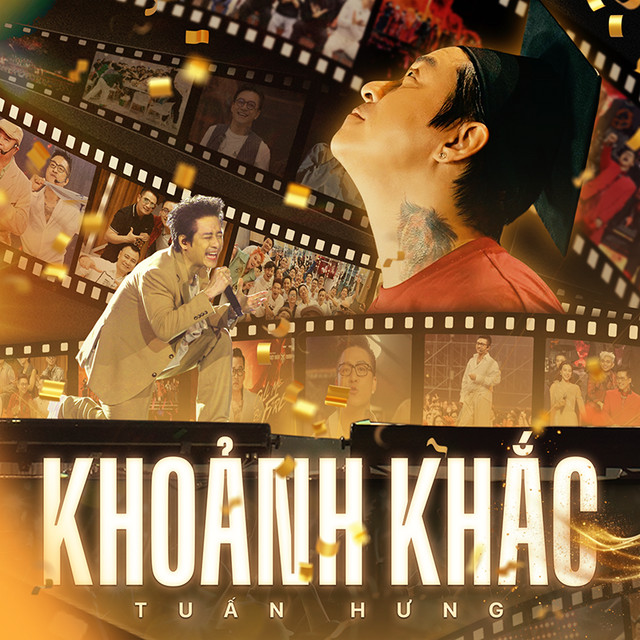
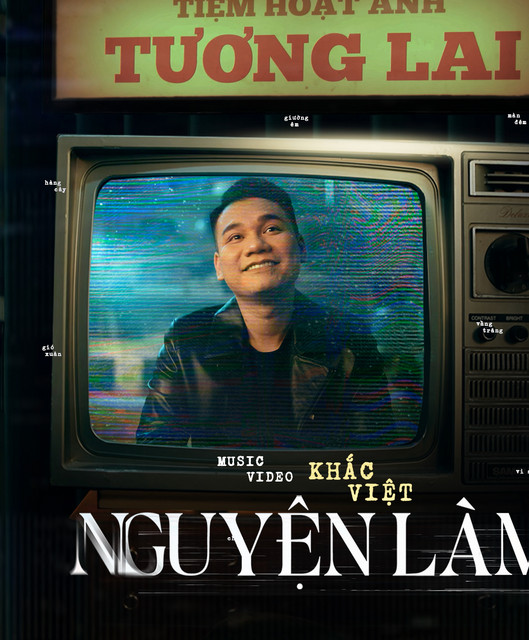
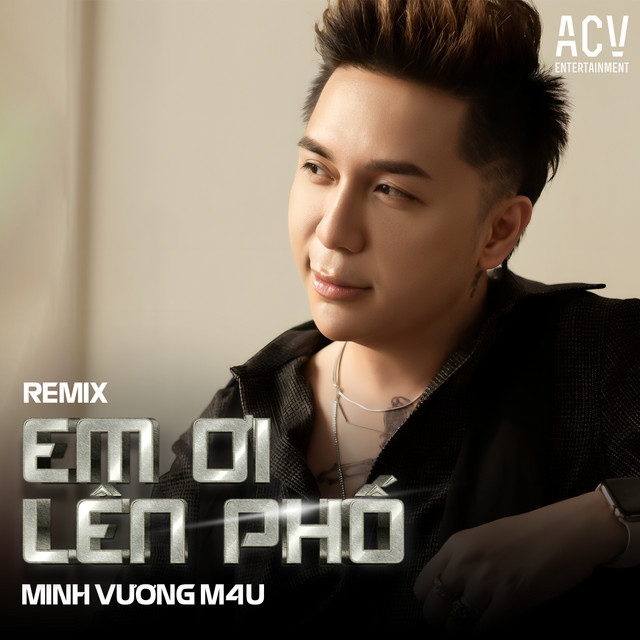
Showing 25 of 366 artists





















About Vietnamese bolero
Vietnamese bolero, or nhạc bolero Việt Nam, is a sentimental, melodically lush tradition that blends the ache of Latin bolero with Vietnamese melodies and lyric poetry. Its hallmark is a slow, lilting tempo, richly textured arrangements, and a vocal delivery charged with restrained passion. It arose in the 1950s in the Vietnamese cultural hubs of Saigon and Hanoi, where clubs, radio shows, and film soundtracks welcomed a new, emotionally direct ballad form that could carry stories of love, longing, and memory across generations.
Origins and evolution
Bolero’s Vietnamese incarnation arrived when composers and singers began adapting the sensibility of the Cuban/Spanish bolero to Vietnamese lyrics and orchestration. The late 1950s and 1960s saw a flourishing scene in southern Vietnam, where studios and cabarets produced thousands of romantic tunes that resonated with civilians and soldiers alike. The genre expanded in the 1960s and into the 1970s, absorbing influences from Vietnamese folk songs, opera-inflected phrasing, and Western pop ballad conventions. After 1975, bolero persisted in exile communities around the world, carried by refugees and new generations who kept the repertoire alive in concerts, karaoke, and Vietnamese-language media abroad.
Sound, form, and themes
A typical Vietnamese bolero features generous string sections, piano or keyboard textures, warm guitars, sometimes accordion, and a steady, unhurried pulse that highlights vocal nuance. The lyrics commonly dwell on love’s fragility, destiny, heartbreak, and reminiscence, often framed in poetic imagery—moonlit nights, old streets, and memories that outlive the moment itself. Singers deploy expressive phrasing, controlled vibrato, and intimate storytelling, inviting listeners into a confessional conversational space. The genre also bridged to “nhạc vàng” and later to more contemporary interpretations, while preserving its characteristic emotional arc.
Key artists and ambassadors
Vietnamese bolero has been shaped by a lineage of celebrated artists. Thái Thanh, a towering figure of early Vietnamese popular music, helped define the vocal intensity and refinement associated with the genre. Duy Khánh, with his romantic baritone, became one of bolero’s most beloved interpreters in the pre- and post-war era. Chế Linh is widely regarded as an ambassador of Vietnamese bolero in the diaspora, renowned for his warm timbre and enduring repertoire. Thanh Tuyền and Hương Lan are among the female voices that kept bolero vibrant in the ensuing decades, while later generations—such as Tuấn Ngọc and Giao Linh—continued to carry the flame, infusing the tradition with modern sensitivity and production values. These artists, together with many others, helped bolster bolero’s appeal across generations and geographies.
Geography and audience
Vietnamese bolero remains most popular in Vietnam and among overseas Vietnamese communities. In the United States, particularly California’s Little Saigon, bolero continues to be a staple of karaoke nights, concerts, and Vietnamese-language media. It has a strong presence in Canada, Australia, and France, where long-standing Vietnamese communities have kept the genre alive through clubs, radio programming, and social events. Beyond entertainment, bolero functions as a cultural touchstone, connecting older listeners with younger fans who discover the genre through contemporary interpretations and fusion projects.
In short, Vietnamese bolero is a durable, emotionally resonant tradition that began in mid-20th-century Vietnam, evolved through decades of popular culture, and now thrives in both homeland and global Vietnamese communities as a timeless language of love and memory.
Origins and evolution
Bolero’s Vietnamese incarnation arrived when composers and singers began adapting the sensibility of the Cuban/Spanish bolero to Vietnamese lyrics and orchestration. The late 1950s and 1960s saw a flourishing scene in southern Vietnam, where studios and cabarets produced thousands of romantic tunes that resonated with civilians and soldiers alike. The genre expanded in the 1960s and into the 1970s, absorbing influences from Vietnamese folk songs, opera-inflected phrasing, and Western pop ballad conventions. After 1975, bolero persisted in exile communities around the world, carried by refugees and new generations who kept the repertoire alive in concerts, karaoke, and Vietnamese-language media abroad.
Sound, form, and themes
A typical Vietnamese bolero features generous string sections, piano or keyboard textures, warm guitars, sometimes accordion, and a steady, unhurried pulse that highlights vocal nuance. The lyrics commonly dwell on love’s fragility, destiny, heartbreak, and reminiscence, often framed in poetic imagery—moonlit nights, old streets, and memories that outlive the moment itself. Singers deploy expressive phrasing, controlled vibrato, and intimate storytelling, inviting listeners into a confessional conversational space. The genre also bridged to “nhạc vàng” and later to more contemporary interpretations, while preserving its characteristic emotional arc.
Key artists and ambassadors
Vietnamese bolero has been shaped by a lineage of celebrated artists. Thái Thanh, a towering figure of early Vietnamese popular music, helped define the vocal intensity and refinement associated with the genre. Duy Khánh, with his romantic baritone, became one of bolero’s most beloved interpreters in the pre- and post-war era. Chế Linh is widely regarded as an ambassador of Vietnamese bolero in the diaspora, renowned for his warm timbre and enduring repertoire. Thanh Tuyền and Hương Lan are among the female voices that kept bolero vibrant in the ensuing decades, while later generations—such as Tuấn Ngọc and Giao Linh—continued to carry the flame, infusing the tradition with modern sensitivity and production values. These artists, together with many others, helped bolster bolero’s appeal across generations and geographies.
Geography and audience
Vietnamese bolero remains most popular in Vietnam and among overseas Vietnamese communities. In the United States, particularly California’s Little Saigon, bolero continues to be a staple of karaoke nights, concerts, and Vietnamese-language media. It has a strong presence in Canada, Australia, and France, where long-standing Vietnamese communities have kept the genre alive through clubs, radio programming, and social events. Beyond entertainment, bolero functions as a cultural touchstone, connecting older listeners with younger fans who discover the genre through contemporary interpretations and fusion projects.
In short, Vietnamese bolero is a durable, emotionally resonant tradition that began in mid-20th-century Vietnam, evolved through decades of popular culture, and now thrives in both homeland and global Vietnamese communities as a timeless language of love and memory.