Genre
vintage chinese pop
Top Vintage chinese pop Artists
Showing 24 of 24 artists
1
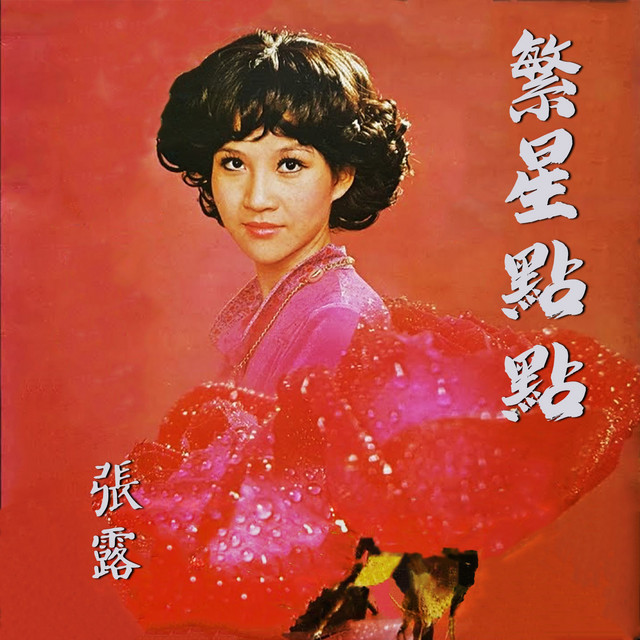
張露
Hong Kong
5,005
50,037 listeners

3
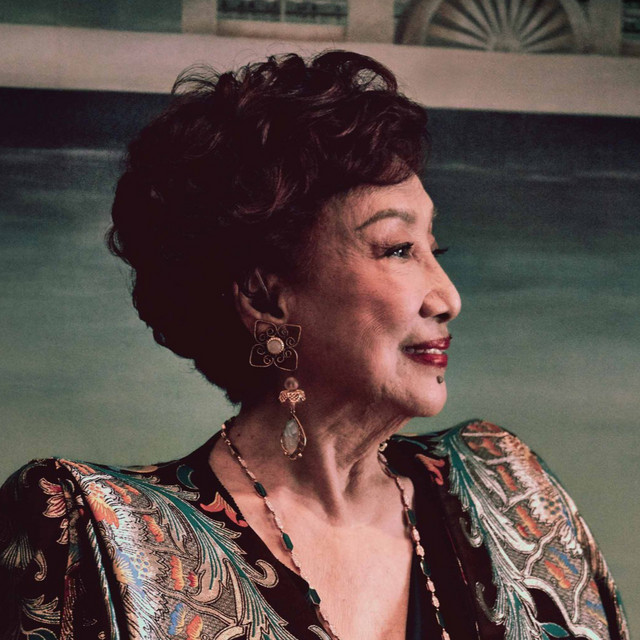
潘迪華
Hong Kong
4,791
33,771 listeners
4

莊學忠
5,020
24,107 listeners
5

白光
China
5,972
15,260 listeners
6

謝雷
Taiwan
3,665
7,540 listeners

8

張宇
673
1,718 listeners
9

靜婷
408
513 listeners

12

魏漢文
285
313 listeners
13

于飛
193
143 listeners
14
夏丹
Hong Kong
14
126 listeners


18

刘韵
144
26 listeners

About Vintage chinese pop
Vintage Chinese pop is a retrospective label for the classic pop music produced in Greater China from roughly the late 1950s through the 1980s and into the early 1990s. It spans Mandarin pop from Taiwan and the mainland, Cantonese pop from Hong Kong, and related songs in other dialects sung by speakers across Asia. The genre is defined less by a single sound than by a shared ethos: melodic, emotionally direct songs that blend Western pop sensibilities with Chinese lyricism, often delivered with lush orchestrations and an emphasis on vocal expressiveness.
Its roots run deep. The first seeds lie in Shanghai’s Shidaiqu era of the 1920s–40s, where composers like Li Jinhui fused Chinese folk tunes with Swing and light orchestration. After the civil upheavals of 1949, many musicians re-settle in Taiwan and Hong Kong, where two parallel streams blossomed: Mandopop in Taiwan and Cantopop in Hong Kong. By the 1960s and 1970s, mature studio productions and television exposure helped normalize pop tunes in Mandarin and Cantonese, while ballads and sentimental lyricism became hallmarks of the era.
Teresa Teng (Deng Lijun) stands as the genre’s most enduring ambassador. Her crystalline voice and universal appeal helped export vintage Chinese pop far beyond regional markets. Songs like The Moon Represents My Heart (Yue Liang Dai Biao Wo De Xin) and Tian Mi Mi became cross‑cultural anthems, translated and reinterpreted across Southeast Asia. In parallel, Cantopop forged its own giants in Hong Kong. Sam Hui popularized a witty, streetwise Cantonese vocal style that fused social observation with catchy melodies, while Anita Mui and Leslie Cheung expanded the scene into glossy, theatrical pop, and later generations of artists—from Jacky Cheung to Faye Wong—pushed pop in new directions, blending Chinese lyricism with experimental production and dreamier, more intimate vocal timbres.
Two strands define the sonic texture of vintage Chinese pop. First is the ballad lineage: songs built on memorable melodic hooks, expressive vocal lines, and orchestral textures—piano, strings, and tasteful woodwinds—designed to foreground sentiment and storytelling. Second is the pop adaptation: producers incorporating Western rock, funk, and synth textures in the 1980s and 1990s, while maintaining Chinese melodic and lyrical priorities. This dual vocabulary allowed the music to travel across borders—into Singapore and Malaysia, where Mandarin and Cantonese markets thrived, and into mainland China as access to recording and broadcasting broadened—creating a pan-Chinese pop culture.
Today, vintage Chinese pop remains most popular in Taiwan, Hong Kong, and the Chinese-speaking diaspora of Southeast Asia, with enduring followings in Singapore, Malaysia, and among Chinese communities in North America and Europe. For enthusiasts, the era offers a curated archive of timeless melodies, vocal prowess, and production craft that reveal how pop music can be both distinctly local and cosmopolitan at the same time. It’s a genre of longing, polished studio technique, and cross-cultural dialogue—a melodious bridge among lands, languages, and generations.
Its roots run deep. The first seeds lie in Shanghai’s Shidaiqu era of the 1920s–40s, where composers like Li Jinhui fused Chinese folk tunes with Swing and light orchestration. After the civil upheavals of 1949, many musicians re-settle in Taiwan and Hong Kong, where two parallel streams blossomed: Mandopop in Taiwan and Cantopop in Hong Kong. By the 1960s and 1970s, mature studio productions and television exposure helped normalize pop tunes in Mandarin and Cantonese, while ballads and sentimental lyricism became hallmarks of the era.
Teresa Teng (Deng Lijun) stands as the genre’s most enduring ambassador. Her crystalline voice and universal appeal helped export vintage Chinese pop far beyond regional markets. Songs like The Moon Represents My Heart (Yue Liang Dai Biao Wo De Xin) and Tian Mi Mi became cross‑cultural anthems, translated and reinterpreted across Southeast Asia. In parallel, Cantopop forged its own giants in Hong Kong. Sam Hui popularized a witty, streetwise Cantonese vocal style that fused social observation with catchy melodies, while Anita Mui and Leslie Cheung expanded the scene into glossy, theatrical pop, and later generations of artists—from Jacky Cheung to Faye Wong—pushed pop in new directions, blending Chinese lyricism with experimental production and dreamier, more intimate vocal timbres.
Two strands define the sonic texture of vintage Chinese pop. First is the ballad lineage: songs built on memorable melodic hooks, expressive vocal lines, and orchestral textures—piano, strings, and tasteful woodwinds—designed to foreground sentiment and storytelling. Second is the pop adaptation: producers incorporating Western rock, funk, and synth textures in the 1980s and 1990s, while maintaining Chinese melodic and lyrical priorities. This dual vocabulary allowed the music to travel across borders—into Singapore and Malaysia, where Mandarin and Cantonese markets thrived, and into mainland China as access to recording and broadcasting broadened—creating a pan-Chinese pop culture.
Today, vintage Chinese pop remains most popular in Taiwan, Hong Kong, and the Chinese-speaking diaspora of Southeast Asia, with enduring followings in Singapore, Malaysia, and among Chinese communities in North America and Europe. For enthusiasts, the era offers a curated archive of timeless melodies, vocal prowess, and production craft that reveal how pop music can be both distinctly local and cosmopolitan at the same time. It’s a genre of longing, polished studio technique, and cross-cultural dialogue—a melodious bridge among lands, languages, and generations.