Genre
vintage radio show
Top Vintage radio show Artists
Showing 22 of 22 artists
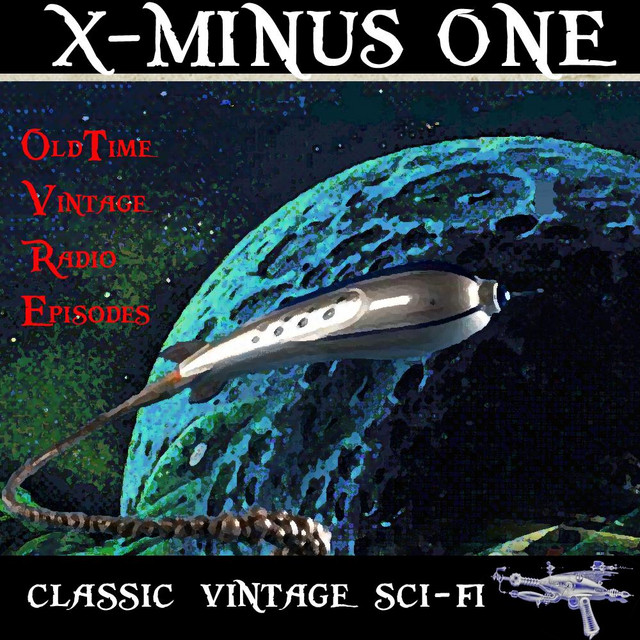


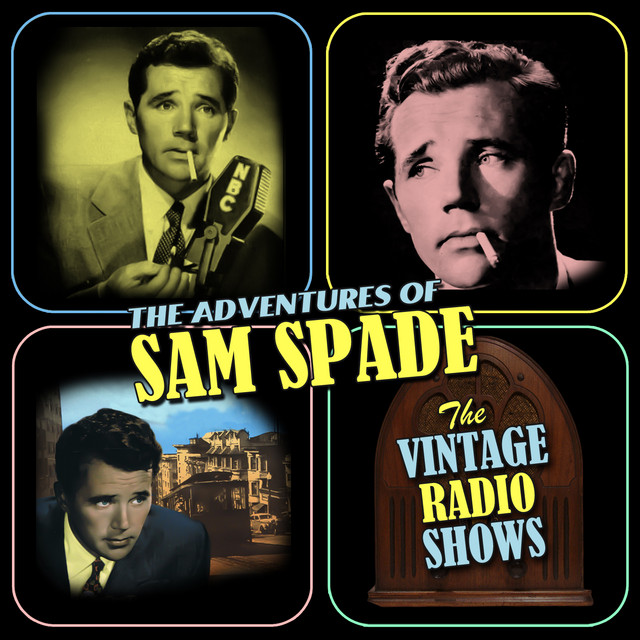


About Vintage radio show
Vintage radio show is a niche music aesthetic that recreates the mood and mechanics of mid-20th-century radio programs within contemporary sound design. It’s not a formal, tightly codified genre, but a mood-forward approach: sonic storytelling that blends live-arranged or sampled orchestration, warm analog textures, spoken-word narration, and the bell-like clarity of vintage vocal timbres—all wired to evoke the feeling of tuning into a serialized broadcast from a sunlit decade or two ago.
Origins and evolution
The modern flavor of vintage radio show grew from broader revivals of retro media aesthetics in the 2000s and 2010s. Fans of lounge, exotica, big-band revival, and neo-noir soundtracks gravitated toward the idea of a self-contained “episode” or “program” that could be enjoyed in a single sitting or as a concept-driven mixtape. While there isn’t a single birth moment, the look and feel solidified through productions that intentionally use period-appropriate instrumentation, faux commercials, host introductions, and narrative interludes—often layered with deliberate tape hiss, vinyl crackle, and analog warmth to simulate the old broadcast experience.
Sound and production
What you hear in a vintage radio show piece is a tactile blend of eras. Big-band brass, swinging woodwinds, lush string sections, and crooner vocal timbres evoke the studio atmospheres of the 1930s–1950s. That musical bed is frequently joined by sound effects (door creaks, thunder, typing, footsteps) and voice work that frames the music as a radio episode. Modern productions layer these elements with contemporary studio polish—subtle compression for punch, precise stereo imaging, and digital textures that mimic or augment vintage hardware. The result is a hybrid: orchestral or vibe-forward tracks that feel like they could accompany a crime drama’s cliffhanger, a lighthearted comedy skit, or a dramatic radio soliloquy, all within a single listening experience.
Structure and approaches
Artists often conceive these works as episodic or concept-driven. Some releases present a story through alternating musical pieces and host segments; others keep the narration minimal, letting the instrumentation do the storytelling. Instrumental cues can function as “themes” for characters or plot points, while occasional vocal performances—whether fully era-appropriate or updated with modern phrasing—anchor the listener in the show’s imagined world. Labels and producers frequently publish compilations or LP-length suites that resemble classic radio programs, with interludes that mimic station IDs and faux commercials to complete the illusion.
Influences and ambassadors
Historically, the genre draws on the era’s crooners—Frank Sinatra, Bing Crosby, Ella Fitzgerald—and big-band leaders like Duke Ellington, Count Basie, and Glenn Miller. The overall aesthetic is also informed by radio drama and variety shows, as well as the detective-serial and melodrama soundtracks of the era. In contemporary practice, many producers lean on neo-noir, lounge, and electro-swing sensibilities to keep the vibe fresh while honoring the past.
Geography and audience
Vintage radio show aesthetics enjoy strong appeal in the United States, the United Kingdom, and continental Europe, with particular resonance in Japan’s retro-futurist and city-pop-adjacent scenes. It thrives among listeners who prize tactile warmth, narrative listening, and the tactile ritual of vinyl and analog gear—people who want music that feels like a program you might have tuned into after dialing a back-channel frequency.
Explore with an ear for storytelling through sound: let the host’s voice, the crackle of tape, and the elegance of old-time orchestration carry you into a narrated musical world.
Origins and evolution
The modern flavor of vintage radio show grew from broader revivals of retro media aesthetics in the 2000s and 2010s. Fans of lounge, exotica, big-band revival, and neo-noir soundtracks gravitated toward the idea of a self-contained “episode” or “program” that could be enjoyed in a single sitting or as a concept-driven mixtape. While there isn’t a single birth moment, the look and feel solidified through productions that intentionally use period-appropriate instrumentation, faux commercials, host introductions, and narrative interludes—often layered with deliberate tape hiss, vinyl crackle, and analog warmth to simulate the old broadcast experience.
Sound and production
What you hear in a vintage radio show piece is a tactile blend of eras. Big-band brass, swinging woodwinds, lush string sections, and crooner vocal timbres evoke the studio atmospheres of the 1930s–1950s. That musical bed is frequently joined by sound effects (door creaks, thunder, typing, footsteps) and voice work that frames the music as a radio episode. Modern productions layer these elements with contemporary studio polish—subtle compression for punch, precise stereo imaging, and digital textures that mimic or augment vintage hardware. The result is a hybrid: orchestral or vibe-forward tracks that feel like they could accompany a crime drama’s cliffhanger, a lighthearted comedy skit, or a dramatic radio soliloquy, all within a single listening experience.
Structure and approaches
Artists often conceive these works as episodic or concept-driven. Some releases present a story through alternating musical pieces and host segments; others keep the narration minimal, letting the instrumentation do the storytelling. Instrumental cues can function as “themes” for characters or plot points, while occasional vocal performances—whether fully era-appropriate or updated with modern phrasing—anchor the listener in the show’s imagined world. Labels and producers frequently publish compilations or LP-length suites that resemble classic radio programs, with interludes that mimic station IDs and faux commercials to complete the illusion.
Influences and ambassadors
Historically, the genre draws on the era’s crooners—Frank Sinatra, Bing Crosby, Ella Fitzgerald—and big-band leaders like Duke Ellington, Count Basie, and Glenn Miller. The overall aesthetic is also informed by radio drama and variety shows, as well as the detective-serial and melodrama soundtracks of the era. In contemporary practice, many producers lean on neo-noir, lounge, and electro-swing sensibilities to keep the vibe fresh while honoring the past.
Geography and audience
Vintage radio show aesthetics enjoy strong appeal in the United States, the United Kingdom, and continental Europe, with particular resonance in Japan’s retro-futurist and city-pop-adjacent scenes. It thrives among listeners who prize tactile warmth, narrative listening, and the tactile ritual of vinyl and analog gear—people who want music that feels like a program you might have tuned into after dialing a back-channel frequency.
Explore with an ear for storytelling through sound: let the host’s voice, the crackle of tape, and the elegance of old-time orchestration carry you into a narrated musical world.