Genre
vintage schlager
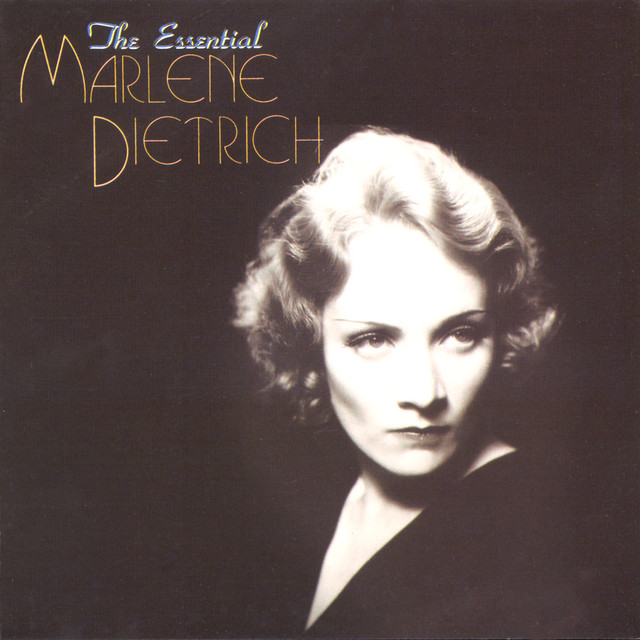
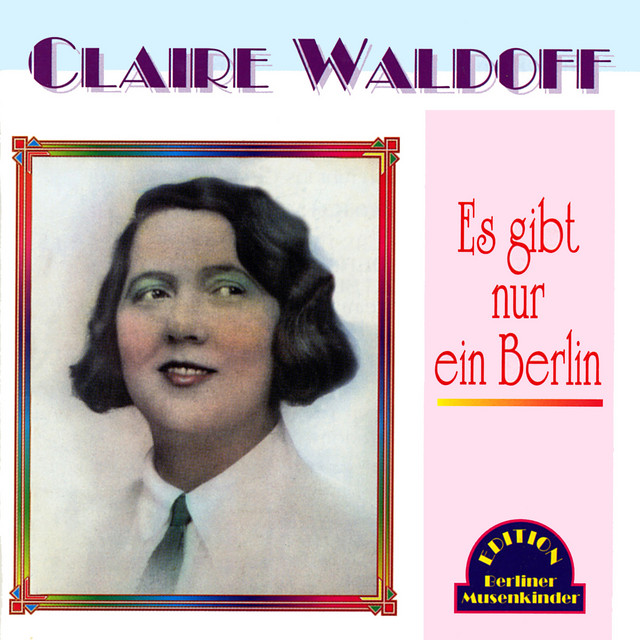
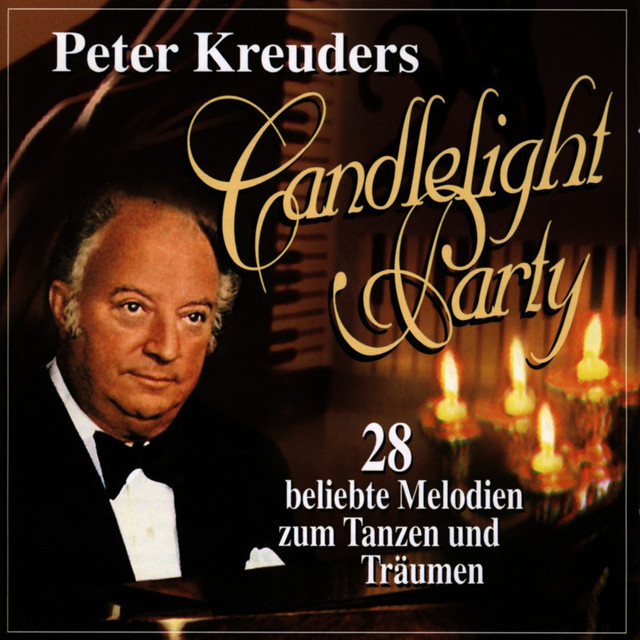
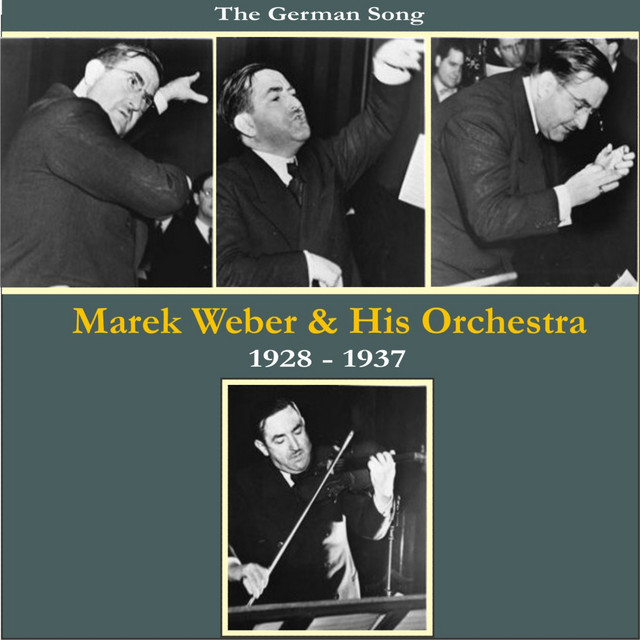
Top Vintage schlager Artists
Showing 12 of 12 artists





About Vintage schlager
Vintage schlager is a postwar German‑language pop music idiom built on instantly memorable melodies, simple, singable lyrics, and an earnest performance style. Emerging from the German‑speaking world in the late 1940s and blossoming through the 1950s and 1960s, it offered an optimistic soundtrack for the Wirtschaftswunder era and found a home on radio, film, and the fledgling television circuit. The term schlager itself comes from the German word for “hit” or “beat,” and in its vintage incarnation it signified songs crafted to become household favorites rather than avant‑garde experiments.
Historically, vintage schlager grew out of earlier folk songs, traditional waltzes, and the American and continental pop that crossed borders after World War II. It thrived in an environment of social healing and cultural consolidation, where studios and stage shows rewarded clarity of melody and universality of sentiment. The result is a sonic palette defined by bright orchestration—with strings, woodwinds, accordions, and jaunty rhythm sections—paired with straightforward chord progressions and choruses that invite crowd participation. Lyrically, the songs tend toward romance, everyday life, nostalgia, and lighthearted humor rather than experimental irony.
Geographically, vintage schlager remains most closely associated with Germany, Austria, and Switzerland, where it was broadcast on national broadcasts and performed by house‑hold names on gala TV programs. It also enjoyed export by artists who traveled and recorded in multiple languages, reaching audiences in neighboring countries and, occasionally, further afield in Northern Europe.
Among the most enduring ambassadors of vintage schlager are: Peter Alexander, the Austrian crooner whose polished, melodic style came to define a generation of German‑language ballads; Caterina Valente, a multilingual performer whose virtuoso phrasing and playful stage presence embodied the international span of postwar schlager; Roy Black, whose tender baritone and innocent romanticism made him a teen idol and a staple of the era; Freddy Quinn, known for maritime‑tinged songs and a rugged, earnest delivery; Drafi Deutscher, a prolific songwriter and performer who helped shape the era's mix of pop craft and rock‑tinged energy; Heino, whose deep voice and everyman persona helped bridge traditional folk with modern schlager; Costa Cordalis, one of the most prominent German‑language stars of the late 1960s and 70s; and Udo Jürgens, whose tuneful sophistication and storytelling elevated the form to a more sophisticated pop standard. Other notable names include Vico Torniani (Swiss‑Italian entertainers who contributed to the cross‑border appeal) and Karel Gott (the Czech singer whose German‑language schlager work earned him pan‑German popularity).
Today, vintage schlager remains a beloved archive for collectors and a living reference for nostalgia‑driven concerts and modern revival projects. While contemporary “schlager” can drift toward glossy pop or revival‑style shows, the vintage vein is defined by its earnest delivery, sentimental melodies, and a cultural memory of a Europe rebuilding its sense of joy and togetherness through song. Collectors prize original 45s and EPs, and modern reissues on vinyl or CD. The genre’s influence can be heard in contemporary nostalgia acts and specialty radio programs that keep the classic schlager repertoire alive. For enthusiasts, vintage schlager offers a time capsule of European pop culture, a bridge between refined cabaret sensibilities and the populist immediacy of the postwar era.
Historically, vintage schlager grew out of earlier folk songs, traditional waltzes, and the American and continental pop that crossed borders after World War II. It thrived in an environment of social healing and cultural consolidation, where studios and stage shows rewarded clarity of melody and universality of sentiment. The result is a sonic palette defined by bright orchestration—with strings, woodwinds, accordions, and jaunty rhythm sections—paired with straightforward chord progressions and choruses that invite crowd participation. Lyrically, the songs tend toward romance, everyday life, nostalgia, and lighthearted humor rather than experimental irony.
Geographically, vintage schlager remains most closely associated with Germany, Austria, and Switzerland, where it was broadcast on national broadcasts and performed by house‑hold names on gala TV programs. It also enjoyed export by artists who traveled and recorded in multiple languages, reaching audiences in neighboring countries and, occasionally, further afield in Northern Europe.
Among the most enduring ambassadors of vintage schlager are: Peter Alexander, the Austrian crooner whose polished, melodic style came to define a generation of German‑language ballads; Caterina Valente, a multilingual performer whose virtuoso phrasing and playful stage presence embodied the international span of postwar schlager; Roy Black, whose tender baritone and innocent romanticism made him a teen idol and a staple of the era; Freddy Quinn, known for maritime‑tinged songs and a rugged, earnest delivery; Drafi Deutscher, a prolific songwriter and performer who helped shape the era's mix of pop craft and rock‑tinged energy; Heino, whose deep voice and everyman persona helped bridge traditional folk with modern schlager; Costa Cordalis, one of the most prominent German‑language stars of the late 1960s and 70s; and Udo Jürgens, whose tuneful sophistication and storytelling elevated the form to a more sophisticated pop standard. Other notable names include Vico Torniani (Swiss‑Italian entertainers who contributed to the cross‑border appeal) and Karel Gott (the Czech singer whose German‑language schlager work earned him pan‑German popularity).
Today, vintage schlager remains a beloved archive for collectors and a living reference for nostalgia‑driven concerts and modern revival projects. While contemporary “schlager” can drift toward glossy pop or revival‑style shows, the vintage vein is defined by its earnest delivery, sentimental melodies, and a cultural memory of a Europe rebuilding its sense of joy and togetherness through song. Collectors prize original 45s and EPs, and modern reissues on vinyl or CD. The genre’s influence can be heard in contemporary nostalgia acts and specialty radio programs that keep the classic schlager repertoire alive. For enthusiasts, vintage schlager offers a time capsule of European pop culture, a bridge between refined cabaret sensibilities and the populist immediacy of the postwar era.