Genre
vintage taiwan pop
Top Vintage taiwan pop Artists
Showing 23 of 23 artists
1
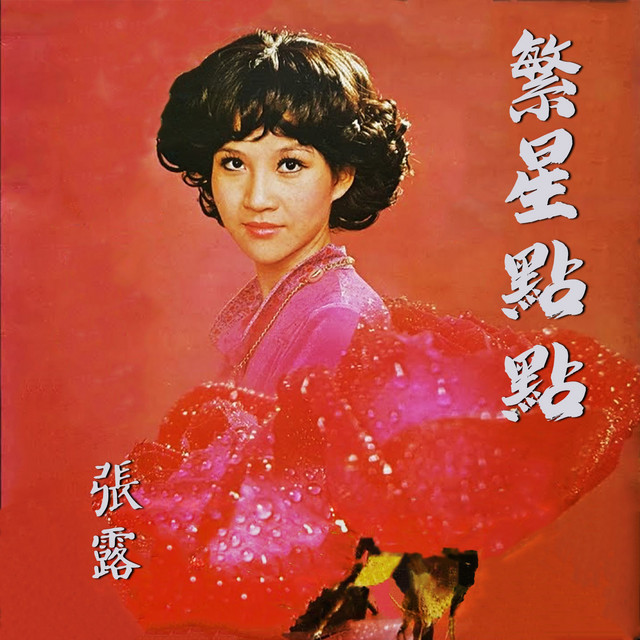
張露
Hong Kong
5,005
50,037 listeners
2

謝雷
Taiwan
3,665
7,540 listeners
3

鄒森
162
498 listeners
4

冉肖玲
Taiwan
289
347 listeners
5

良山
115
147 listeners
6

閻荷婷
121
95 listeners
7

夏台鳳
128
70 listeners
8

凌雅
65
9 listeners
9
向音燕
101
- listeners
10
曾嵐蘭
64
- listeners
11
微妮
53
- listeners
12
金晶
59
- listeners
13
顧秀瓊
12
- listeners
14
王波琴
4
- listeners
15
張貴芝
6
- listeners
16
凃昭美
5
- listeners
17
陳春綢
6
- listeners
18
林君瑛
83
- listeners
19
張木蘭
63
- listeners
20
羅鈾霞
55
- listeners
21
馮思群
65
- listeners
22
舒芳
91
- listeners
23
李美娟
44
- listeners
About Vintage taiwan pop
Vintage Taiwan pop is the melodious heartbeat of Taiwan’s mid-20th-century pop imagination: a lush, sentimental strain of Mandopop that flourished from the late 1960s through the 1980s and left an enduring imprint on East Asian popular music. It’s a sound anchored in balladry and crooning, built on carefully arranged strings, warm piano, subtle acoustic guitars, and a vocal style that favors expressive, emotional delivery. While Mandarin dominates the vocabulary, many vintage records also carried Taiwanese Hokkien hooks and a taste for cross-cultural textures, reflecting Taiwan’s island crossroads of language, cinema, and radio.
How and when it was born is tied to larger cultural shifts in Taiwan after World War II. Mandarin became the official lingua franca, and Taipei quickly became a hub where composers, lyricists, and performers could reach broad audiences across the Chinese-speaking world. Radio shows, film soundtracks, and emerging record labels created a pipeline of evergreen ballads and sentimental tunes. The period matured into a “golden age” of well-crafted melodies and intimate singer–songwriter performances, often produced with lush, cinematic arrangements that could evoke longing, romance, or nostalgia in a single verse.
A few names stand out as ambassadors and touchstones of the era. Teresa Teng (Deng Lijun) remains the most iconic, a global symbol of vintage Taiwanese pop. Her voice, cultivated in Mandarin, Cantonese, and Japanese, carried songs like The Moon Represents My Heart into countless living rooms across Asia and beyond, making her synonymous with the era’s emotional clarity and universal appeal. Songwriters and producers also shaped the sound; Li Zongsheng (Jonathan Lee) and other veteran composers helped craft enduring ballads that many singers interpreted with warmth and restraint. Fei Yu-ching, with his lilting tenor and romantic repertoire, became another pillar of the vintage sound. And artists like Sandy Lam bridged generations, moving from late-80s pop into more exploratory Mandarin and crossover textures, while maintaining the emotional clarity that defined the era.
The genre’s popularity isn’t confined to Taiwan. Its appeal spread widely across the Mandarin-speaking world and into Southeast Asia, where Singapore, Malaysia, Hong Kong, and Mainland China embraced these melodies as a shared cultural memory. In Japan and other parts of East Asia, Teresa Teng’s cross-lloral appeal helped cultivate a broader appreciation for vintage Taiwanese pop as part of a broader Asian popular-music ecosystem. Today, collectors and enthusiasts prize original pressings and reissues, and the sound continues to influence contemporary Mandopop composers who treasure its emblematic blend of intimate vocal expressiveness and grand, romantic orchestration.
If you’re exploring vintage Taiwan pop, listen for the emotional economy of the vocal line, the cinematic string work, and the way a simple, well-placed lyric can carry a whole nation’s sense of longing. It’s a genre that invites deep listening, inviting enthusiasts to hear how a generation’s dreams were sung into being—then preserved for decades as a touchstone of East Asian popular music.
How and when it was born is tied to larger cultural shifts in Taiwan after World War II. Mandarin became the official lingua franca, and Taipei quickly became a hub where composers, lyricists, and performers could reach broad audiences across the Chinese-speaking world. Radio shows, film soundtracks, and emerging record labels created a pipeline of evergreen ballads and sentimental tunes. The period matured into a “golden age” of well-crafted melodies and intimate singer–songwriter performances, often produced with lush, cinematic arrangements that could evoke longing, romance, or nostalgia in a single verse.
A few names stand out as ambassadors and touchstones of the era. Teresa Teng (Deng Lijun) remains the most iconic, a global symbol of vintage Taiwanese pop. Her voice, cultivated in Mandarin, Cantonese, and Japanese, carried songs like The Moon Represents My Heart into countless living rooms across Asia and beyond, making her synonymous with the era’s emotional clarity and universal appeal. Songwriters and producers also shaped the sound; Li Zongsheng (Jonathan Lee) and other veteran composers helped craft enduring ballads that many singers interpreted with warmth and restraint. Fei Yu-ching, with his lilting tenor and romantic repertoire, became another pillar of the vintage sound. And artists like Sandy Lam bridged generations, moving from late-80s pop into more exploratory Mandarin and crossover textures, while maintaining the emotional clarity that defined the era.
The genre’s popularity isn’t confined to Taiwan. Its appeal spread widely across the Mandarin-speaking world and into Southeast Asia, where Singapore, Malaysia, Hong Kong, and Mainland China embraced these melodies as a shared cultural memory. In Japan and other parts of East Asia, Teresa Teng’s cross-lloral appeal helped cultivate a broader appreciation for vintage Taiwanese pop as part of a broader Asian popular-music ecosystem. Today, collectors and enthusiasts prize original pressings and reissues, and the sound continues to influence contemporary Mandopop composers who treasure its emblematic blend of intimate vocal expressiveness and grand, romantic orchestration.
If you’re exploring vintage Taiwan pop, listen for the emotional economy of the vocal line, the cinematic string work, and the way a simple, well-placed lyric can carry a whole nation’s sense of longing. It’s a genre that invites deep listening, inviting enthusiasts to hear how a generation’s dreams were sung into being—then preserved for decades as a touchstone of East Asian popular music.