Genre
viola da gamba
Top Viola da gamba Artists
Showing 19 of 19 artists






About Viola da gamba
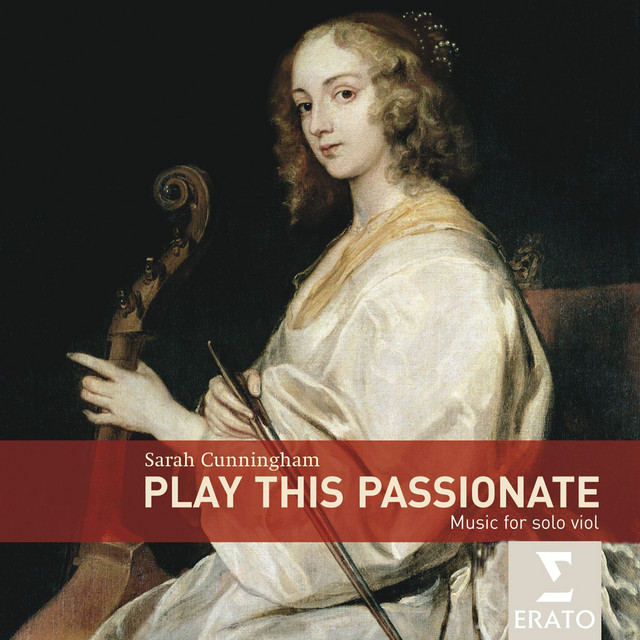
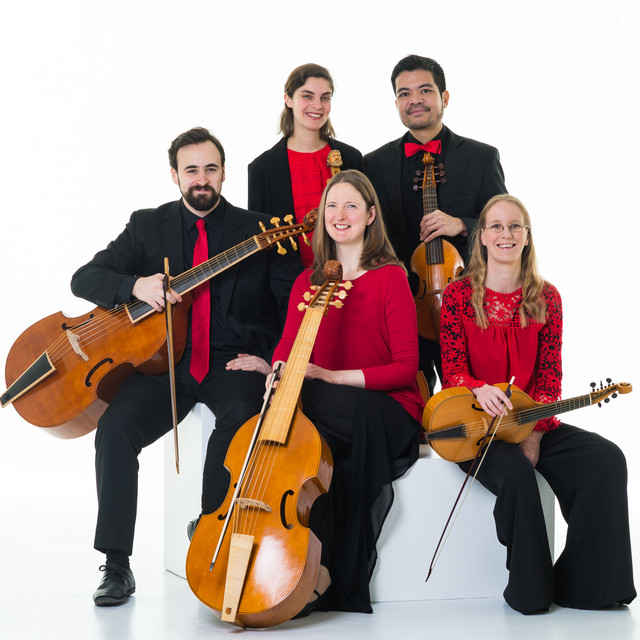
The viola da gamba is a family of bowed, fretted string instruments from the Renaissance and Baroque eras, held between the legs like a modern cello but with its own distinct voice. Its name, literally “viola of the leg,” signals a design and a role in which polyphony,Counterpoint, and intimate solo lyricism could flourish in equal measure. Unlike the violin family, gambas are notable for their fretted fingerboards and a tradition of playing in consorts as well as in solo idioms.
The instrument was born in late 15th- to early 16th-century Europe, with strong roots in both Italy and France. By the 16th century the viola da gamba had matured into a sizable, six-string bass-viol standard in many courts and churches, particularly in France and England, where singers and players developed a refined repertoire of dance suites, fantasias, and continuo-led pieces. This was the golden age of the viol in France, where virtuoso players and composers expanded the instrument’s expressive range. The gamba’s sound is warm, intimate, capable of singing lines and intricate counterpoint, and its smaller, longer-bowlered bow produces a delicacy well suited to polyphonic textures.
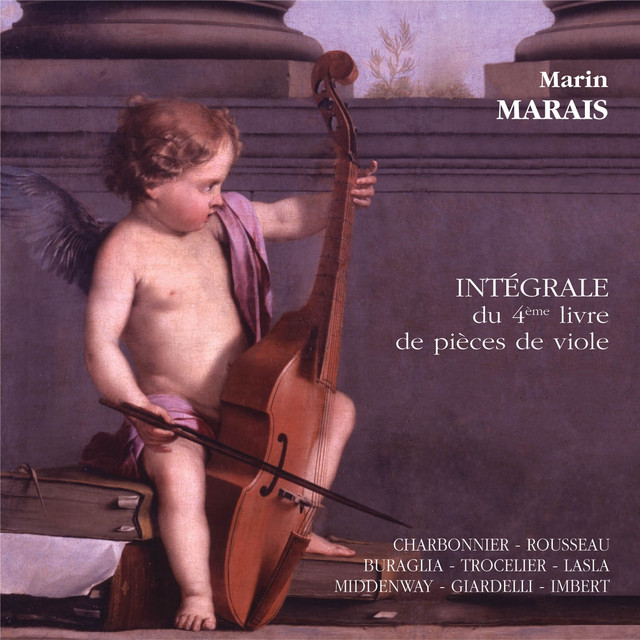
Repertoire for the viola da gamba runs from richly contrapuntal ensemble music to elegant solo works. In the French tradition, Marin Marais (1656–1728) stands as a central figure, known for his technically demanding and emotionally nuanced suites. His contemporary and mentor, the legendary Monsieur de Sainte-Colombe, is celebrated in legends and historical treatises for his mastery and his influence on later players. In Germany and beyond, composers such as Johann Sebastian Bach contributed important works for the instrument; Bach’s Six Sonatas and Partitas for viola da gamba and continuo (BWV 1027–1029) and other gamba-focused pieces helped anchor the instrument in Baroque chamber music. The English and Dutch viol consort traditions also thrived, with ensembles and composers writing intricate polyphony for multiple gambas in a single space.
The viola da gamba’s popularity waned in the 18th century as the violin family surged to prominence. Its intimate, expressive character, however, never vanished. The early music revival of the late 19th and 20th centuries—sparked by pioneers like Arnold Dolmetsch—reawakened interest in the viol, and from the 1960s onward a new generation of gambists restored repertoire and technique to the concert stage. Today’s ambassadors include prominent performers like Jordi Savall (and his ensembles Hespèrion XX/XXI and Le Concert des Nations), Wieland Kuijken and Christophe Coin, who have helped redefine the instrument for modern audiences. Their recordings and performances have popularized the viola da gamba in the broader early-music world.
Geographically, the viola da gamba remains most actively beloved in Europe—France, the Netherlands, the United Kingdom, and Germany have deep historical and contemporary gambist communities. It is also well loved in the United States and increasingly in other parts of the world, where early-music scenes and historic-instrument pedagogy nurture new players and listeners. For music enthusiasts, the viola da gamba offers a bridge to intimate baroque sonorities, a carrier of intricate polyphony, and a living link to a pivotal chapter in the history of Western art music.
The instrument was born in late 15th- to early 16th-century Europe, with strong roots in both Italy and France. By the 16th century the viola da gamba had matured into a sizable, six-string bass-viol standard in many courts and churches, particularly in France and England, where singers and players developed a refined repertoire of dance suites, fantasias, and continuo-led pieces. This was the golden age of the viol in France, where virtuoso players and composers expanded the instrument’s expressive range. The gamba’s sound is warm, intimate, capable of singing lines and intricate counterpoint, and its smaller, longer-bowlered bow produces a delicacy well suited to polyphonic textures.
Repertoire for the viola da gamba runs from richly contrapuntal ensemble music to elegant solo works. In the French tradition, Marin Marais (1656–1728) stands as a central figure, known for his technically demanding and emotionally nuanced suites. His contemporary and mentor, the legendary Monsieur de Sainte-Colombe, is celebrated in legends and historical treatises for his mastery and his influence on later players. In Germany and beyond, composers such as Johann Sebastian Bach contributed important works for the instrument; Bach’s Six Sonatas and Partitas for viola da gamba and continuo (BWV 1027–1029) and other gamba-focused pieces helped anchor the instrument in Baroque chamber music. The English and Dutch viol consort traditions also thrived, with ensembles and composers writing intricate polyphony for multiple gambas in a single space.
The viola da gamba’s popularity waned in the 18th century as the violin family surged to prominence. Its intimate, expressive character, however, never vanished. The early music revival of the late 19th and 20th centuries—sparked by pioneers like Arnold Dolmetsch—reawakened interest in the viol, and from the 1960s onward a new generation of gambists restored repertoire and technique to the concert stage. Today’s ambassadors include prominent performers like Jordi Savall (and his ensembles Hespèrion XX/XXI and Le Concert des Nations), Wieland Kuijken and Christophe Coin, who have helped redefine the instrument for modern audiences. Their recordings and performances have popularized the viola da gamba in the broader early-music world.
Geographically, the viola da gamba remains most actively beloved in Europe—France, the Netherlands, the United Kingdom, and Germany have deep historical and contemporary gambist communities. It is also well loved in the United States and increasingly in other parts of the world, where early-music scenes and historic-instrument pedagogy nurture new players and listeners. For music enthusiasts, the viola da gamba offers a bridge to intimate baroque sonorities, a carrier of intricate polyphony, and a living link to a pivotal chapter in the history of Western art music.