Genre
viral afropop
Top Viral afropop Artists

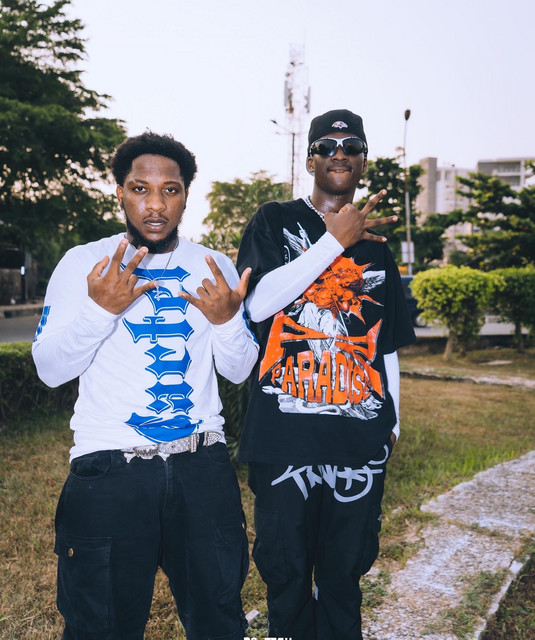

About Viral afropop
Viral Afropop is a pulsating, fast‑moving strand of Afrobeats built for the moment. It thrives on immediacy: a catchy hook, a danceable groove, a chorus that is hummable after a single listen. It blends West African pop, hip‑hop cadence, and dancehall energy with multilingual lyrics and meme‑friendly rhythms. More than a fixed sound, it’s a frame for music that travels rapidly through social media and streaming platforms, turning short clips into long‑term devotion.
Origins and evolution: the late 2010s Nigerian scene seeded a form of pop that could survive outside traditional radio cycles. The rise of streaming, short‑form video apps, and cross‑regional collabs created a climate where a track could go viral worldwide in days. Producers crafted compact song structures, punchy 808‑driven drums, bright guitar riffs, and looping melodies designed for repetition. The result is a tempo and vibe that invite dances, challenges, and remix culture.
Sound and structure: tempos frequently hover around the 100–120 BPM range, with 2020s tracks often leaning toward punchy, minimalist verses and a memorable chorus. Pidgin, Yoruba, Igbo, and English fuse in the vocal lines, making songs accessible to both local and global audiences. The groove blends Afrobeat heritage with contemporary trap‑leaning basslines, dancehall intrusions, and even amapiano feel in some cuts. The production emphasize groove and hook: you hear the beat once, you want to dance, and you want to hear the hook again.
Key artists and ambassadors: Wizkid, Davido, and Burna Boy remain central to any discussion of global Afrobeats influence. Tems has become a defining voice of the era with ethereal hooks that glide over hard‑hitting drums. Rema, Fireboy DML, Asake, Joeboy, and Omah Lay have pushed the sound toward newer generations, while Zlatan and Naira Marley maintained the dance‑driven energy that fed viral cycles. International collaborators—Drake’s longtime ties with Wizkid and other cross‑continental projects—also amplified viral Afropop’s reach, helping listeners connect the genre with a broader pop universe.
Geography and impact: the genre’s core audience remains Nigeria and the West African region, but it has grown a large footprint in Ghana, Kenya, South Africa, and across Europe and North America, where diasporic communities drive streaming and club rotations. In the UK and the US, viral Afropop sits alongside hip‑hop and EDM as a primary source of fresh African pop energy, fueling festival bills and radio playlists. As a social phenomenon, viral Afropop is as much about dance challenges, memes, and creator culture as it is about studio craftsmanship. It is a living, evolving sound that continues to redefine what it means for African music to go global.
Craft and craftspersonship: producers often favor sparse, loop‑based arrangements that breathe for the chorus, allowing dancers to improvise. Layered percussion, call‑and‑response vocals, and catchy ad‑libs become signature cues. The videos that accompany viral hits often feature choreographed dances, fashion moments, and location shoots—from Lagos bedrooms to Nairobi rooftops—creating an aesthetic that fans imitate. For enthusiasts, viral Afropop is a study in efficiency: a lot of energy, a single iconic hook, and invitation to participate.
Origins and evolution: the late 2010s Nigerian scene seeded a form of pop that could survive outside traditional radio cycles. The rise of streaming, short‑form video apps, and cross‑regional collabs created a climate where a track could go viral worldwide in days. Producers crafted compact song structures, punchy 808‑driven drums, bright guitar riffs, and looping melodies designed for repetition. The result is a tempo and vibe that invite dances, challenges, and remix culture.
Sound and structure: tempos frequently hover around the 100–120 BPM range, with 2020s tracks often leaning toward punchy, minimalist verses and a memorable chorus. Pidgin, Yoruba, Igbo, and English fuse in the vocal lines, making songs accessible to both local and global audiences. The groove blends Afrobeat heritage with contemporary trap‑leaning basslines, dancehall intrusions, and even amapiano feel in some cuts. The production emphasize groove and hook: you hear the beat once, you want to dance, and you want to hear the hook again.
Key artists and ambassadors: Wizkid, Davido, and Burna Boy remain central to any discussion of global Afrobeats influence. Tems has become a defining voice of the era with ethereal hooks that glide over hard‑hitting drums. Rema, Fireboy DML, Asake, Joeboy, and Omah Lay have pushed the sound toward newer generations, while Zlatan and Naira Marley maintained the dance‑driven energy that fed viral cycles. International collaborators—Drake’s longtime ties with Wizkid and other cross‑continental projects—also amplified viral Afropop’s reach, helping listeners connect the genre with a broader pop universe.
Geography and impact: the genre’s core audience remains Nigeria and the West African region, but it has grown a large footprint in Ghana, Kenya, South Africa, and across Europe and North America, where diasporic communities drive streaming and club rotations. In the UK and the US, viral Afropop sits alongside hip‑hop and EDM as a primary source of fresh African pop energy, fueling festival bills and radio playlists. As a social phenomenon, viral Afropop is as much about dance challenges, memes, and creator culture as it is about studio craftsmanship. It is a living, evolving sound that continues to redefine what it means for African music to go global.
Craft and craftspersonship: producers often favor sparse, loop‑based arrangements that breathe for the chorus, allowing dancers to improvise. Layered percussion, call‑and‑response vocals, and catchy ad‑libs become signature cues. The videos that accompany viral hits often feature choreographed dances, fashion moments, and location shoots—from Lagos bedrooms to Nairobi rooftops—creating an aesthetic that fans imitate. For enthusiasts, viral Afropop is a study in efficiency: a lot of energy, a single iconic hook, and invitation to participate.