Genre
frenchcore
Top Frenchcore Artists
Showing 25 of 2,662 artists
About Frenchcore
Frenchcore is a hyper-accelerated offshoot of hardcore techno that grew out of France’s late-1990s rave and underground scene. It inherits the brutal kick and distorted bass energy of hardcore, but pushes the tempo, intensity, and sonic edge to a heightened extreme. In essence, Frenchcore takes the insistence of hardcore’s barrage and sharpens it with French melodic turns, punchy samples, and a nimble, almost industrial crispness that many producers and DJs prize for both live sets and club nights.
What defines the sound
The genre typically sits in a brisk range around 180 to 210 BPM, a tempo that demands pressure-cooker precision from kick drums and percussion. The hallmark is a heavily distorted, sometimes “guttural” kick that punches through the mix, often layered with rapid, glitchy hi-hats and aggressive basslines. Frenchcore tracks may feature frantic sirens, screeches, and abrupt tempo or key shifts, giving them a relentless drive. Vocals—when present—are often short phrases sampled from French or English, sometimes delivered with a punkish or chant-like cadence that accentuates the track’s hypnotic, almost martial feel. While some cuts lean toward harsh, industrial textures, others incorporate melodic hooks, accordion-like riffs, or chiptune-esque blips, reflecting the genre’s flexibility within its dangerous, high-energy core.
Origins and growth
Born in the late 1990s as French producers experimented with combining hardcore’s aggressive aesthetics with local electronic music sensibilities, Frenchcore quickly became a distinct scene. The movement found its footing in major French cities—Paris, Lille, Lyon, and beyond—where underground raves, pirate radio, and early electronic labels fostered a tight-knit community. As the internet matured, Frenchcore producers and fans connected worldwide, allowing the sound to travel through Europe and into the broader hardcore ecosystem. By the 2000s and into the 2010s, the style had crystallized into a recognizable subgenre with its own distinctive releases, events, and party culture, marked by high-energy live sets and a culture of fearless, unrestrained performance.
Ambassadors and key figures
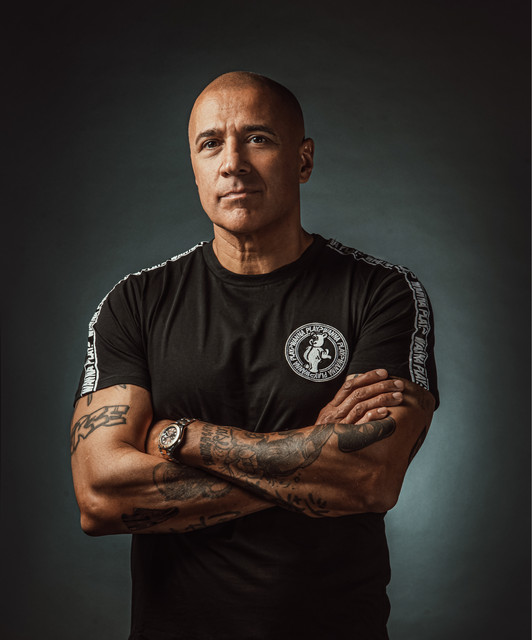
Dr. Peacock is widely regarded as one of the movement’s most important ambassadors. Through high-profile releases, touring, and a steady stream of festival and club appearances, he helped bring Frenchcore to global audiences and inspired a new generation of producers and DJs to carry the banner. In addition to him, the Frenchcore scene has produced a spectrum of other French producers and crews who continue to shape the sound, providing a steady pipeline of tracks, compilations, and label releases that keep the energy circulating. The genre’s ambassadors span France and neighboring Benelux countries, illustrating a cross-border vitality that characterizes much of Europe’s hardcore culture.
Global footprint
France remains the heartland of Frenchcore, but its appeal reaches across Europe, with strong followings in Belgium, the Netherlands, and Germany. Clubs, warehouses, and open-air events regularly host Frenchcore stages, where fans revel in the music’s intensity and ecstatic, mosh-door energy. In recent years, the genre has also found enthusiasts in other regions, aided by streaming and international festival circuits that celebrate hard-edged electronic music.
If you’d like, I can add a few more artist names and specific labels or events to give you a broader pulse on the current scene.
What defines the sound
The genre typically sits in a brisk range around 180 to 210 BPM, a tempo that demands pressure-cooker precision from kick drums and percussion. The hallmark is a heavily distorted, sometimes “guttural” kick that punches through the mix, often layered with rapid, glitchy hi-hats and aggressive basslines. Frenchcore tracks may feature frantic sirens, screeches, and abrupt tempo or key shifts, giving them a relentless drive. Vocals—when present—are often short phrases sampled from French or English, sometimes delivered with a punkish or chant-like cadence that accentuates the track’s hypnotic, almost martial feel. While some cuts lean toward harsh, industrial textures, others incorporate melodic hooks, accordion-like riffs, or chiptune-esque blips, reflecting the genre’s flexibility within its dangerous, high-energy core.
Origins and growth
Born in the late 1990s as French producers experimented with combining hardcore’s aggressive aesthetics with local electronic music sensibilities, Frenchcore quickly became a distinct scene. The movement found its footing in major French cities—Paris, Lille, Lyon, and beyond—where underground raves, pirate radio, and early electronic labels fostered a tight-knit community. As the internet matured, Frenchcore producers and fans connected worldwide, allowing the sound to travel through Europe and into the broader hardcore ecosystem. By the 2000s and into the 2010s, the style had crystallized into a recognizable subgenre with its own distinctive releases, events, and party culture, marked by high-energy live sets and a culture of fearless, unrestrained performance.
Ambassadors and key figures
Dr. Peacock is widely regarded as one of the movement’s most important ambassadors. Through high-profile releases, touring, and a steady stream of festival and club appearances, he helped bring Frenchcore to global audiences and inspired a new generation of producers and DJs to carry the banner. In addition to him, the Frenchcore scene has produced a spectrum of other French producers and crews who continue to shape the sound, providing a steady pipeline of tracks, compilations, and label releases that keep the energy circulating. The genre’s ambassadors span France and neighboring Benelux countries, illustrating a cross-border vitality that characterizes much of Europe’s hardcore culture.
Global footprint
France remains the heartland of Frenchcore, but its appeal reaches across Europe, with strong followings in Belgium, the Netherlands, and Germany. Clubs, warehouses, and open-air events regularly host Frenchcore stages, where fans revel in the music’s intensity and ecstatic, mosh-door energy. In recent years, the genre has also found enthusiasts in other regions, aided by streaming and international festival circuits that celebrate hard-edged electronic music.
If you’d like, I can add a few more artist names and specific labels or events to give you a broader pulse on the current scene.