Genre
psytech
Top Psytech Artists
Showing 11 of 11 artists









About Psytech
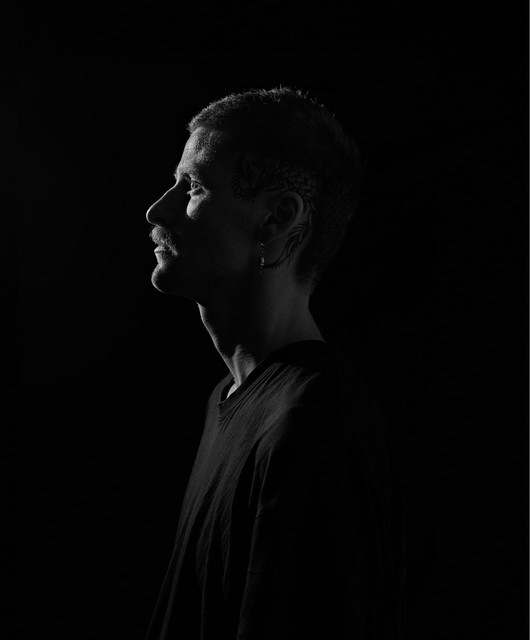
Psytech is a modern hybrid within the psychedelic electronic music spectrum, blending the mind-bending textures of psytrance with the groove-forward logic of techno. It’s a sound that leans into hypnotic basslines, piercing synth leads, and a kinetic, dancefloor-ready energy, all while carrying the hallmarks of psychedelic sound design: spiraling filters, morphing pads, and trippy, otherworldly atmospheres. If classic psytrance can feel like a journey through a surreal forest, psytech often delivers that same sense of exploration with a tighter, more machine-like undercarriage.
Origins and birth
Psytech began to take shape in the late 2000s and early 2010s, as producers trained in psytrance started folding in techno’s stripped-down grooves and precise, club-friendly production techniques. The psytrance movement itself has roots in Goa and Israel from the early 1990s, where dense, layered soundscapes and moonlit dancefloors cultivated a psychedelic ethos. As the global scene expanded, producers experimenting with tempo, rhythm, and texture began to fuse psychedelic timbres with techno-inspired structure—creating a hybrid that could energize both late-night festival sets and intimate club nights. Today, psytech sits at a crossroads: it preserves the sunlit, shamanic imagination of psytrance while embracing the discipline and swagger of techno.
Sound and vibe
What you hear in psytech is a tug-of-war between trance’s hypnotic repetition and techno’s propulsion. Tracks often sit in the 132–148 BPM range, but the emphasis can shift between a rolling, four-on-the-floor pulse and more intricate, evolving percussion patterns. Expect crisp kick drums, tight hi-hats, and a bassline that runs relentlessly forward, layered with psychedelic textures—warped leads, resonant sweeps, and modular-like blips. The result is music that can feel simultaneously immersive and driving: a late-night payload of groove, with the mind-bending daughter melodies and filter talk that define psychedelic aesthetics.
Where it’s popular
Psytech has found a home across Europe, especially in scenes that celebrate both trance and techno: the Netherlands, Germany, Spain, and Portugal host clubs and festivals where hybrid sets shine. Israel remains influential, given psytrance roots and a tradition of pushing genre boundaries. Beyond Europe, psytech-adjacent sounds have found fans in Brazil, Chile, and other South American markets, as well as in parts of India’s Goa circuit, where the psychedelic lineage remains strong. Festivals and clubs that curate crossover lineups—psy trances alongside techno-tinged sets—are the ideal incubators for psytech’s evolving identity.
Ambassadors and key artists
Psytech is a fluid, collaborative scene, and many artists contribute to its evolution. Some names frequently discussed in psytech circles include Infected Mushroom, Astrix, Neelix, Vini Vici, and Ace Ventura—primarily psytrance artists who have released tracks or performed sets with more techno-inflected textures. The labels and collectives that nurture the sound—serving as ambassadors through releases and showcases—often include Iberian-Spanish, Dutch, and Israeli outfits that specialize in psychedelic crossovers. It’s worth noting that the genre remains expansive and evolving; today’s ambassadors are as much about experimentation and exchange between psytrance and techno communities as about any single “canon” of artists.
If you’re curious to dive deeper, look for releases on labels renowned for psychedelic techno crossovers and explore festival lineups that emphasize hybrid sets. Psytech is less about a fixed formula and more about the dialogue between psychedelic imagination and techno precision — a conversation that keeps mutating as producers drift between styles on the dancefloor.
Origins and birth
Psytech began to take shape in the late 2000s and early 2010s, as producers trained in psytrance started folding in techno’s stripped-down grooves and precise, club-friendly production techniques. The psytrance movement itself has roots in Goa and Israel from the early 1990s, where dense, layered soundscapes and moonlit dancefloors cultivated a psychedelic ethos. As the global scene expanded, producers experimenting with tempo, rhythm, and texture began to fuse psychedelic timbres with techno-inspired structure—creating a hybrid that could energize both late-night festival sets and intimate club nights. Today, psytech sits at a crossroads: it preserves the sunlit, shamanic imagination of psytrance while embracing the discipline and swagger of techno.
Sound and vibe
What you hear in psytech is a tug-of-war between trance’s hypnotic repetition and techno’s propulsion. Tracks often sit in the 132–148 BPM range, but the emphasis can shift between a rolling, four-on-the-floor pulse and more intricate, evolving percussion patterns. Expect crisp kick drums, tight hi-hats, and a bassline that runs relentlessly forward, layered with psychedelic textures—warped leads, resonant sweeps, and modular-like blips. The result is music that can feel simultaneously immersive and driving: a late-night payload of groove, with the mind-bending daughter melodies and filter talk that define psychedelic aesthetics.
Where it’s popular
Psytech has found a home across Europe, especially in scenes that celebrate both trance and techno: the Netherlands, Germany, Spain, and Portugal host clubs and festivals where hybrid sets shine. Israel remains influential, given psytrance roots and a tradition of pushing genre boundaries. Beyond Europe, psytech-adjacent sounds have found fans in Brazil, Chile, and other South American markets, as well as in parts of India’s Goa circuit, where the psychedelic lineage remains strong. Festivals and clubs that curate crossover lineups—psy trances alongside techno-tinged sets—are the ideal incubators for psytech’s evolving identity.
Ambassadors and key artists
Psytech is a fluid, collaborative scene, and many artists contribute to its evolution. Some names frequently discussed in psytech circles include Infected Mushroom, Astrix, Neelix, Vini Vici, and Ace Ventura—primarily psytrance artists who have released tracks or performed sets with more techno-inflected textures. The labels and collectives that nurture the sound—serving as ambassadors through releases and showcases—often include Iberian-Spanish, Dutch, and Israeli outfits that specialize in psychedelic crossovers. It’s worth noting that the genre remains expansive and evolving; today’s ambassadors are as much about experimentation and exchange between psytrance and techno communities as about any single “canon” of artists.
If you’re curious to dive deeper, look for releases on labels renowned for psychedelic techno crossovers and explore festival lineups that emphasize hybrid sets. Psytech is less about a fixed formula and more about the dialogue between psychedelic imagination and techno precision — a conversation that keeps mutating as producers drift between styles on the dancefloor.