Genre
vocaloid
Top Vocaloid Artists
Showing 25 of 4,454 artists


8
稲葉曇
372,825
1.4 million listeners







About Vocaloid
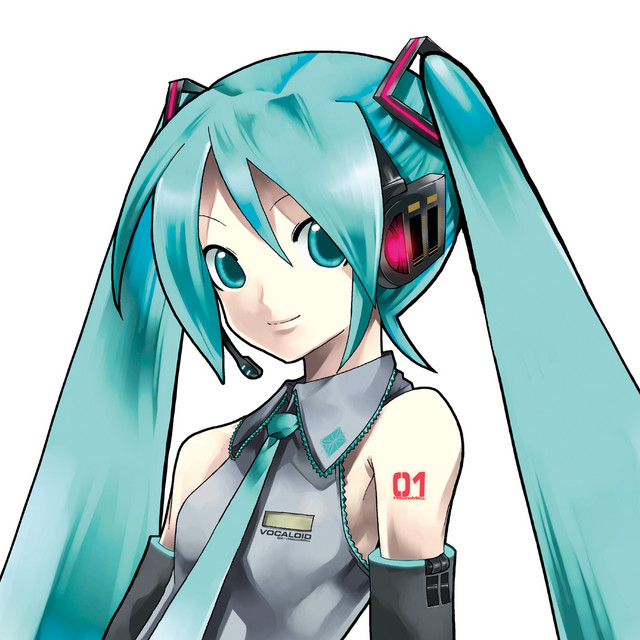
Vocaloid is not just a software package; it’s a production ecosystem that catalyzed a distinct strand of contemporary vocal music built around synthetic singing voices, anime-inspired avatars, and a global community of creators. Born in the early 2000s from Yamaha’s voice-synthesis research, the Vocaloid project released its first generation in 2004, offering Meiko and the English voices Lola and Leon. These early voices demonstrated the core idea: a digital singer you could script with lyrics and melodies. The real breakthrough, however, arrived in 2007 with Hatsune Miku, Crypton Future Media’s Vocaloid 2 character who would become the franchise’s iconic ambassador. Miku’s blend of a bright, aspirational timbre and a catchy, endlessly remixable repertoire helped redefine what a “vocalist” could be in the internet age.
Since then, the Vocaloid family has expanded with a succession of voice banks across generations. Kagamine Rin and Len (also released around 2007) introduced a playful, duet-ready persona, while Megurine Luka (2009) offered a more sultry, multilingual option. These voices are not performers themselves; they are the tools by which producers craft songs. The engine has evolved through Vocaloid 3 and 4, each generation adding more natural phrasing, expressive control, and easier editing, enabling a rapid, collaborative workflow between composers, lyricists, and sound designers.
What makes Vocaloid a genre in its own right is less about a fixed sound and more about a process and community. Producers—ranging from bedroom composers to professional studios—use the voices to create pop, EDM, rock, ballads, and experimental tracks. Renowned artists and producers such as ryo (Supercell), kz (livetune), wowaka, DECO*27, Mitchie M, and many others have built discographies around Vocaloid voices, turning a digital tool into a vibrant, song-writing culture. The output is as varied as the creators: sweeping anthems, intimate miniatures, and clever linguistic experiments driven by synthetic timbres and dynamic vocal textures.
Ambassadors beyond Hatsune Miku include Luka Megurine, Rin/Len, and other vocal libraries like GUMI (Megpoid), IA, and Luo Tianyi—the last representing the strong rise of Vocaloid culture in China. This is a global phenomenon. Japan remains the central hub—where the original fans, producers, and holographic concerts flourish—but the genre has a robust foothold in China, Taiwan, South Korea, and across Europe and North America. The online ecosystem—Piapro (Crypton’s platform for fan art and song ideas), video platforms like Nico Nico Douga and YouTube, and live events such as Hatsune Miku Expo—turns fan-made songs into viral moments, often accompanied by fan art, cosplay, and dance videos.
A defining feature of Vocaloid’s modern era is its live, holographic performances, where virtual singers perform on stage with real orchestration or backing bands, bridging digital music production and purely visual concert experiences. In short, Vocaloid is both a musical technique and a subculture: a continually evolving blend of technology, melody, and community that invites enthusiasts to reimagine what a voice can be.
Since then, the Vocaloid family has expanded with a succession of voice banks across generations. Kagamine Rin and Len (also released around 2007) introduced a playful, duet-ready persona, while Megurine Luka (2009) offered a more sultry, multilingual option. These voices are not performers themselves; they are the tools by which producers craft songs. The engine has evolved through Vocaloid 3 and 4, each generation adding more natural phrasing, expressive control, and easier editing, enabling a rapid, collaborative workflow between composers, lyricists, and sound designers.
What makes Vocaloid a genre in its own right is less about a fixed sound and more about a process and community. Producers—ranging from bedroom composers to professional studios—use the voices to create pop, EDM, rock, ballads, and experimental tracks. Renowned artists and producers such as ryo (Supercell), kz (livetune), wowaka, DECO*27, Mitchie M, and many others have built discographies around Vocaloid voices, turning a digital tool into a vibrant, song-writing culture. The output is as varied as the creators: sweeping anthems, intimate miniatures, and clever linguistic experiments driven by synthetic timbres and dynamic vocal textures.
Ambassadors beyond Hatsune Miku include Luka Megurine, Rin/Len, and other vocal libraries like GUMI (Megpoid), IA, and Luo Tianyi—the last representing the strong rise of Vocaloid culture in China. This is a global phenomenon. Japan remains the central hub—where the original fans, producers, and holographic concerts flourish—but the genre has a robust foothold in China, Taiwan, South Korea, and across Europe and North America. The online ecosystem—Piapro (Crypton’s platform for fan art and song ideas), video platforms like Nico Nico Douga and YouTube, and live events such as Hatsune Miku Expo—turns fan-made songs into viral moments, often accompanied by fan art, cosplay, and dance videos.
A defining feature of Vocaloid’s modern era is its live, holographic performances, where virtual singers perform on stage with real orchestration or backing bands, bridging digital music production and purely visual concert experiences. In short, Vocaloid is both a musical technique and a subculture: a continually evolving blend of technology, melody, and community that invites enthusiasts to reimagine what a voice can be.