Genre
wagnerian singing
Top Wagnerian singing Artists
Showing 4 of 4 artists
About Wagnerian singing
Wagnerian singing is not a separate genre in the casual sense, but a distinctive vocal aesthetic forged by the operatic innovations of Richard Wagner. It designates a singing style crafted to stand up to Wagner’s monumental orchestras, sustain long, singing-driven dramatic lines, and embody the emotional and narrative breadth of his libretti. In essence, it’s the art of a voice that can carry weighty meaning over a dense, often thunderous musical fabric, while still shaping phrase and text with exacting intention.
The style crystallized in the mid-19th century as Wagner reimagined how music, drama, and poetry could fuse into a single artistic unit (Gesamtkunstwerk). Wagner’s own scores demand seamless legato, vast range, and relentless stamina: singers who can deliver heroic paths in Siegfried and Brünnhilde, or the ecstatic, feverish rhetoric of Tristan, and who can act through sound rather than through mere display. The orchestration is deliberately large, with leitmotifs guiding character and plot, so the voice must be able to cut through or blend as the moment requires. In practice, Wagnerian singing favors a voice with a broad, well-supported core, a flexible, well-managed vibrato, and the ability to sustain long, high-lying lines without sacrificing musical line or dramatic intention.
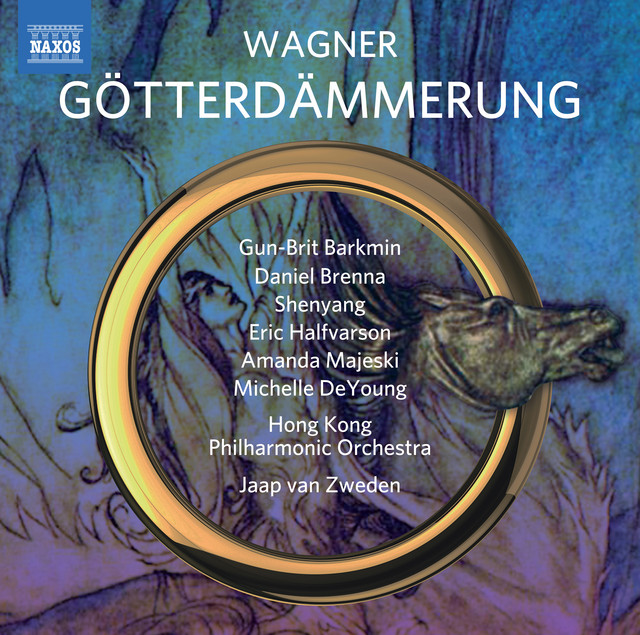
Repertoire is central to the identity of the genre. The Ring Cycle (Das Rheingold, Die Walküre, Siegfried, Götterdämmerung), Parsifal, Tristan und Isolde, and Die Meistersinger von Nürnberg define the core canon. The “heroic” voice types—heldentenor for Siegfried and Tristan, dramatic soprano for Brünnhilde and Isolde, and the sturdy, expressive baritone for Wotan and Hans Sachs—are especially celebrated within Wagnerian circles. The craft is as much about acting and language as it is about vocal production; the singer must inhabit Wagner’s characters with psychological depth, often over hours on stage.
Ambassadors of Wagnerian singing span eras. Laureates of the heldentenor tradition include Lauritz Melchior, Wolfgang Windgassen, and Jon Vickers, whose powerful, expansive idioms became touchstones for later generations. In the soprano ranks, Birgit Nilsson and Kirsten Flagstad are revered for their ability to project over Wagner’s mammoth textures with expressive intensity. The late-20th and early-21st centuries have seen a new wave of interpreters—Jonas Kaufmann, Andreas Schager, and others—continuing the lineage while bringing contemporary sensibilities to the role. Conductors and institutions—Karl Böhm, Georg Solti, Sir Simon Rattle, the Bayreuth Festival, and major houses like the Metropolitan Opera and the Royal Opera House—have also played crucial roles in shaping and sustaining the tradition.
Geographically, Wagnerian singing remains strongest in Germany and Austria, but its appeal is global. The United States, the United Kingdom, northern Europe, and Japan house thriving Wagner audiences, festivals, and companies, where the tradition is kept alive by both historic recordings and live performances.
For music enthusiasts, Wagnerian singing offers a uniquely immersive experience: a vocal craft measured not only by technique and endurance but by its capacity to serve a vast dramaturgy. It invites listeners to hear how voice, orchestration, and mythic storytelling converge into a single, transformative musical experience.
The style crystallized in the mid-19th century as Wagner reimagined how music, drama, and poetry could fuse into a single artistic unit (Gesamtkunstwerk). Wagner’s own scores demand seamless legato, vast range, and relentless stamina: singers who can deliver heroic paths in Siegfried and Brünnhilde, or the ecstatic, feverish rhetoric of Tristan, and who can act through sound rather than through mere display. The orchestration is deliberately large, with leitmotifs guiding character and plot, so the voice must be able to cut through or blend as the moment requires. In practice, Wagnerian singing favors a voice with a broad, well-supported core, a flexible, well-managed vibrato, and the ability to sustain long, high-lying lines without sacrificing musical line or dramatic intention.
Repertoire is central to the identity of the genre. The Ring Cycle (Das Rheingold, Die Walküre, Siegfried, Götterdämmerung), Parsifal, Tristan und Isolde, and Die Meistersinger von Nürnberg define the core canon. The “heroic” voice types—heldentenor for Siegfried and Tristan, dramatic soprano for Brünnhilde and Isolde, and the sturdy, expressive baritone for Wotan and Hans Sachs—are especially celebrated within Wagnerian circles. The craft is as much about acting and language as it is about vocal production; the singer must inhabit Wagner’s characters with psychological depth, often over hours on stage.
Ambassadors of Wagnerian singing span eras. Laureates of the heldentenor tradition include Lauritz Melchior, Wolfgang Windgassen, and Jon Vickers, whose powerful, expansive idioms became touchstones for later generations. In the soprano ranks, Birgit Nilsson and Kirsten Flagstad are revered for their ability to project over Wagner’s mammoth textures with expressive intensity. The late-20th and early-21st centuries have seen a new wave of interpreters—Jonas Kaufmann, Andreas Schager, and others—continuing the lineage while bringing contemporary sensibilities to the role. Conductors and institutions—Karl Böhm, Georg Solti, Sir Simon Rattle, the Bayreuth Festival, and major houses like the Metropolitan Opera and the Royal Opera House—have also played crucial roles in shaping and sustaining the tradition.
Geographically, Wagnerian singing remains strongest in Germany and Austria, but its appeal is global. The United States, the United Kingdom, northern Europe, and Japan house thriving Wagner audiences, festivals, and companies, where the tradition is kept alive by both historic recordings and live performances.
For music enthusiasts, Wagnerian singing offers a uniquely immersive experience: a vocal craft measured not only by technique and endurance but by its capacity to serve a vast dramaturgy. It invites listeners to hear how voice, orchestration, and mythic storytelling converge into a single, transformative musical experience.