Genre
washboard
Top Washboard Artists
Showing 25 of 34 artists
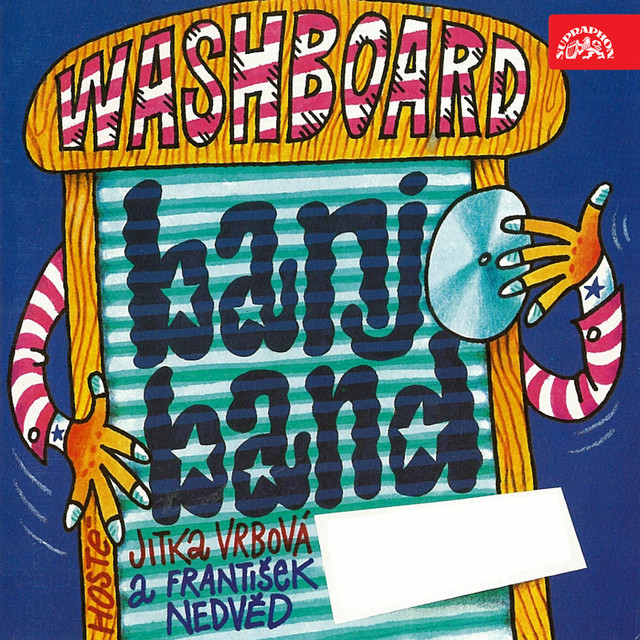


About Washboard
The term “washboard” as a description of a music style signals more than a single instrument; it signals a rhythmic philosophy built around a heat-rusted metal board that becomes a portable percussion section. The sound is tactile and immediate: rasping scrapes, sharp taps, and a loose, propulsive groove that can mimic a drum kit or roll with a sly, swinging bounce. Over the decades, washboard-focused playing has threaded its way through jug-band ensembles, early blues and folk scenes, Cajun and Zydeco rubboard traditions, and even UK skiffle during its 1950s revival. In practice, a washboard-based performance invites improvisation, a playful DIY ethos, and a close collaboration with bass lines, fiddles, guitars, and horns to shape a robust, intimate groove.
Origins lie in late 19th-century rural America, where the washboard was cheap, ubiquitous, and easy to transport. Dancers and itinerant musicians discovered that a handful of decisive taps and scrapes could anchor a tune without expensive gear. By the 1920s and 1930s, the instrument had become a staple in jug bands—multigenre ensembles that fused folk tunes, ragtime, blues, and vaudeville into portable street performance. The washboard functioned as both rhythm engine and sonic cue, delivering a tactile snare-like snap and a metallic wash that could cut through crowded rooms or a dusty roadside. It often partnered with a washtub bass or a jug to create that quintessential, grab-and-go band sound.
Ambassadors of the washboard ethos span several streams. In the American jug-band lineage, ensembles such as the Memphis Jug Band and Cannon’s Jug Stompers helped popularize the instrument as a distinct sonic signature—its scratches and slaps giving bluesy swing to early recordings and live sets. In Cajun and Zydeco circles, the rubboard (frottoir) ascended to central status, with virtuosi like Clifton Chenier turning the instrument into a driving, infectious force at the heart of the music’s danceable groove. In the United Kingdom, skiffle’s DIY revolution in the 1950s embraced washboard percussion as part of a rough-hewn rhythm section that fed into later rock and folk experimentation; Lonnie Donegan’s scene helped export the palette of washboard textures far beyond its American roots. Today’s players continue to reframe the instrument, blending traditional scrapes with loops, effects, and electronic textures in contemporary clubs and festivals worldwide.
Geographically, washboard-based music remains most at home in the United States, where Cajun and Zydeco traditions preserve the rubboard’s soul, and the jug-band approach keeps a vivid historical thread alive. It also enjoys a long-standing appreciation in the UK’s skiffle revival and in European folk scenes, where the portable, participatory spirit of the washboard resonates with players who favor communal rhythm and hands-on, makeshift sound. For listeners, the washboard offers a tactile doorway into a lineage of music built on resourcefulness, community performance, and a fearless sense of groove.
If you’re exploring, dive into jug-band era recordings, Cajun and Zydeco rubboard tracks, and Skiffle sets to hear the spectrum of washboard-driven music—and try a few simple scrapes and taps yourself to feel the groove at first hand.
Origins lie in late 19th-century rural America, where the washboard was cheap, ubiquitous, and easy to transport. Dancers and itinerant musicians discovered that a handful of decisive taps and scrapes could anchor a tune without expensive gear. By the 1920s and 1930s, the instrument had become a staple in jug bands—multigenre ensembles that fused folk tunes, ragtime, blues, and vaudeville into portable street performance. The washboard functioned as both rhythm engine and sonic cue, delivering a tactile snare-like snap and a metallic wash that could cut through crowded rooms or a dusty roadside. It often partnered with a washtub bass or a jug to create that quintessential, grab-and-go band sound.
Ambassadors of the washboard ethos span several streams. In the American jug-band lineage, ensembles such as the Memphis Jug Band and Cannon’s Jug Stompers helped popularize the instrument as a distinct sonic signature—its scratches and slaps giving bluesy swing to early recordings and live sets. In Cajun and Zydeco circles, the rubboard (frottoir) ascended to central status, with virtuosi like Clifton Chenier turning the instrument into a driving, infectious force at the heart of the music’s danceable groove. In the United Kingdom, skiffle’s DIY revolution in the 1950s embraced washboard percussion as part of a rough-hewn rhythm section that fed into later rock and folk experimentation; Lonnie Donegan’s scene helped export the palette of washboard textures far beyond its American roots. Today’s players continue to reframe the instrument, blending traditional scrapes with loops, effects, and electronic textures in contemporary clubs and festivals worldwide.
Geographically, washboard-based music remains most at home in the United States, where Cajun and Zydeco traditions preserve the rubboard’s soul, and the jug-band approach keeps a vivid historical thread alive. It also enjoys a long-standing appreciation in the UK’s skiffle revival and in European folk scenes, where the portable, participatory spirit of the washboard resonates with players who favor communal rhythm and hands-on, makeshift sound. For listeners, the washboard offers a tactile doorway into a lineage of music built on resourcefulness, community performance, and a fearless sense of groove.
If you’re exploring, dive into jug-band era recordings, Cajun and Zydeco rubboard tracks, and Skiffle sets to hear the spectrum of washboard-driven music—and try a few simple scrapes and taps yourself to feel the groove at first hand.