Genre
wind symphony
Top Wind symphony Artists
Showing 25 of 50 artists









About Wind symphony
Wind symphony, also called wind ensemble or symphonic band, is a large concert ensemble that treats winds and percussion as an orchestral core, aiming for musical breadth and formal architecture similar to a traditional symphony. The core typically includes flutes, oboes, clarinets, bassoons, saxophones, horns, trumpets, trombones, euphoniums or tubas, and a robust percussion section. Strings are not central in the classic wind-symphony setting, though some works or groups may incorporate string-like effects or occasional players.
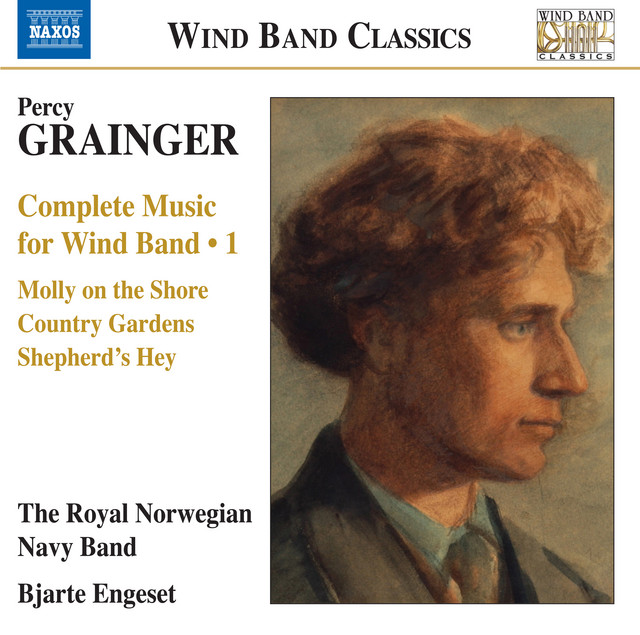
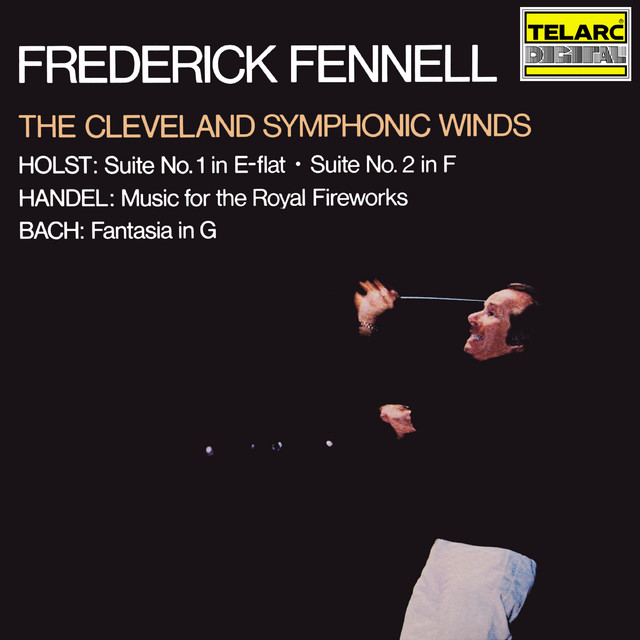
Origins trace to late 19th- and early 20th-century military bands and school bands in the United States and Britain, where organizers sought a concert repertoire beyond marches and arrangements. The wind-symphony idea matured in the concert hall in the 20th century as composers began writing original works for the ensemble. Notable early contributions come from Gustav Holst, whose First Suite in E-flat and Second Suite in F helped legitimize wind-band repertoire as concert music; Percy Grainger’s Lincolnshire Posy expanded the expressive palette with folk-inflected colors. The interwar and postwar decades cemented the wind ensemble as a serious performing medium, spurred by university bands and professional wind groups in the United States and Europe.
In the late 20th century and today, the wind symphony became a global platform for original symphonic writing. American composers such as Francis McBeth, David Maslanka, and Dana Wilson produced multi-movement wind-symphony works that demand large, agile ensembles and cultivate large-scale architecture—slow movements, fugues, and climactic finales. The Czech-born Karel Husa’s Music for Prague 1968 and the late works of other European composers broadened the repertoire, blending political memory, symphonic form, and idiomatic wind writing. The genre thrives in North America, Britain, continental Europe, and increasingly in Japan and other parts of Asia, reflecting a transnational band culture.
Ambassadors of the wind-symphony tradition include conductors, educators, and performers who champion the literature and advocate live commissioning. WASBE—the World Association for Symphonic Bands and Ensembles (founded in the 1980s)—links ensembles, festivals, and publishers, while annual conferences and regional contests drive repertoire discovery. Peers and soloists who specialize in wind writing—some of whom have also branched into film and crossover music—help bring new audiences to the genre.
For listeners, wind symphonies offer a blend of orchestral sophistication and the immediacy of band timbres. They reward attentive listening to color, articulation, and architectural development. If you enjoy the sweep of a symphony but prefer wind-brass textures and percussion’s drumbeat of energy, a wind-symphony program is a revealing, exhilarating path into a world of bright sonorities, intricate counterpoint, and bold, open-air climaxes.
Additional listening and exploration can deepen appreciation: Holst’s wind suite tradition, Grainger’s lyric-epic approach, Husa’s provocative pieces, and Maslanka’s expansive wind-symphony cycles demonstrate the gamut from intimate yet powerful to grand and monumental.
Origins trace to late 19th- and early 20th-century military bands and school bands in the United States and Britain, where organizers sought a concert repertoire beyond marches and arrangements. The wind-symphony idea matured in the concert hall in the 20th century as composers began writing original works for the ensemble. Notable early contributions come from Gustav Holst, whose First Suite in E-flat and Second Suite in F helped legitimize wind-band repertoire as concert music; Percy Grainger’s Lincolnshire Posy expanded the expressive palette with folk-inflected colors. The interwar and postwar decades cemented the wind ensemble as a serious performing medium, spurred by university bands and professional wind groups in the United States and Europe.
In the late 20th century and today, the wind symphony became a global platform for original symphonic writing. American composers such as Francis McBeth, David Maslanka, and Dana Wilson produced multi-movement wind-symphony works that demand large, agile ensembles and cultivate large-scale architecture—slow movements, fugues, and climactic finales. The Czech-born Karel Husa’s Music for Prague 1968 and the late works of other European composers broadened the repertoire, blending political memory, symphonic form, and idiomatic wind writing. The genre thrives in North America, Britain, continental Europe, and increasingly in Japan and other parts of Asia, reflecting a transnational band culture.
Ambassadors of the wind-symphony tradition include conductors, educators, and performers who champion the literature and advocate live commissioning. WASBE—the World Association for Symphonic Bands and Ensembles (founded in the 1980s)—links ensembles, festivals, and publishers, while annual conferences and regional contests drive repertoire discovery. Peers and soloists who specialize in wind writing—some of whom have also branched into film and crossover music—help bring new audiences to the genre.
For listeners, wind symphonies offer a blend of orchestral sophistication and the immediacy of band timbres. They reward attentive listening to color, articulation, and architectural development. If you enjoy the sweep of a symphony but prefer wind-brass textures and percussion’s drumbeat of energy, a wind-symphony program is a revealing, exhilarating path into a world of bright sonorities, intricate counterpoint, and bold, open-air climaxes.
Additional listening and exploration can deepen appreciation: Holst’s wind suite tradition, Grainger’s lyric-epic approach, Husa’s provocative pieces, and Maslanka’s expansive wind-symphony cycles demonstrate the gamut from intimate yet powerful to grand and monumental.