Genre
xhosa
Top Xhosa Artists
Showing 21 of 21 artists



About Xhosa
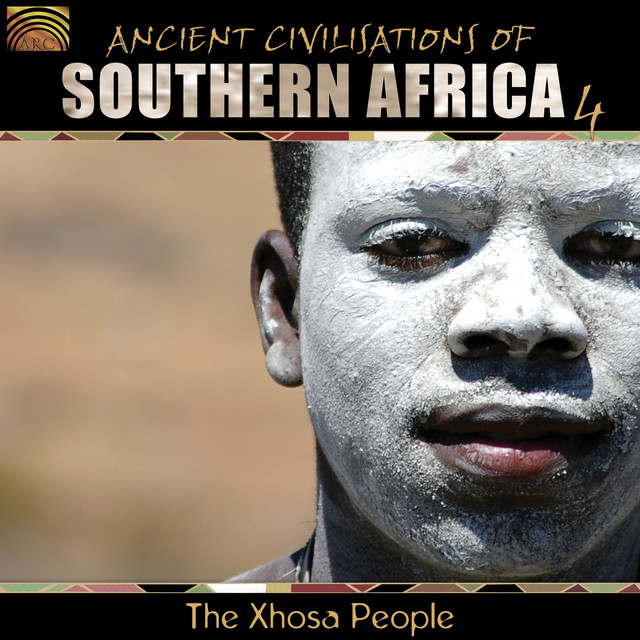
Xhosa music is not a single, rigid genre but a broad umbrella for the sounds produced by Xhosa-speaking communities in South Africa. It spans traditional folk and praise-singing, gospel, Afro-pop, jazz-inflected song, and contemporary urban styles performed in the Xhosa language. For music enthusiasts, it offers a living conversation between centuries of cultural practice and modern, globalized sounds.
Origins and evolution
The Xhosa people, part of the Nguni family, have a long-standing musical culture that predates written history. Traditional performances often centered on communal singing, call-and-response, and izibongo (praise poetry) performed by skilled singers who extol leaders and heroes. These vocal traditions created a powerful sense of ensemble and storytelling that could travel across villages. As South Africa moved through the 19th and 20th centuries, Christian hymnody introduced by missionaries mingled with indigenous forms, giving rise to choral and gospel practices that remained central in many Xhosa communities. The mid- to late 20th century saw Xhosa-language pop, gospel, and folk blending with wider South African styles—mbaqanga, kwaito-adjacent sounds, and later Afro-pop—producing a rich, hybrid repertoire. Today, Xhosa music frequently sits at the intersection of tradition and innovation, with artists writing in Xhosa while drawing on global genres.
Flavor and listening
What characterizes Xhosa music is its lyrical emphasis and vocal storytelling. The language itself—marked by its tonal voice and characteristic click consonants—adds a distinctive flavor that listeners often find intimate and piercing. Traditional elements—harmonized choral sections, rhythmic village drums, and spacious, prayerful phrases—give way to contemporary textures: funky basslines, shimmering guitar, and polished studio production. The result is music that can feel ceremonial and celebratory, intimate and rebellious, spiritual and worldly all at once. For listeners new to Xhosa music, a good entrypoint is to notice how the music uses language as a melodic instrument—where the shape of phrases, breathing, and intonation shape the mood of a song as much as the words themselves.
Key artists and ambassadors
- Miriam Makeba: an international beacon who popularized African song in the global spotlight; her extensive repertoire included performances in Xhosa and other South African languages, helping to place Xhosa-language music on the world stage.
- Simphiwe Dana: a celebrated contemporary vocalist whose Afro-jazz rooted in Xhosa heritage has earned international acclaim, making her a contemporary ambassador of Xhosa-language artistry.
- Zahara: a modern, crossover voice from the Eastern Cape who sings in Xhosa and English, bringing the language to broad audiences with accessible, radio-friendly songs and powerful storytelling.
Where it’s most popular
The heartland of Xhosa music remains South Africa, especially among Xhosa-speaking communities in the Eastern and Western Cape. It also travels through the South African diaspora and into Southern Africa, with listeners in neighboring countries who connect with Xhosa-language songs and gospel. Internationally, it reaches world-music audiences who value South African vocal tradition and language-rich storytelling.
In sum, Xhosa music is a culturally dense spectrum rather than a single style. It invites listeners to hear Africa’s linguistic and musical diversity—where ancient call-and-response and modern pop sit side by side, continually evolving while staying rooted in Xhosa language and cultural memory.
Origins and evolution
The Xhosa people, part of the Nguni family, have a long-standing musical culture that predates written history. Traditional performances often centered on communal singing, call-and-response, and izibongo (praise poetry) performed by skilled singers who extol leaders and heroes. These vocal traditions created a powerful sense of ensemble and storytelling that could travel across villages. As South Africa moved through the 19th and 20th centuries, Christian hymnody introduced by missionaries mingled with indigenous forms, giving rise to choral and gospel practices that remained central in many Xhosa communities. The mid- to late 20th century saw Xhosa-language pop, gospel, and folk blending with wider South African styles—mbaqanga, kwaito-adjacent sounds, and later Afro-pop—producing a rich, hybrid repertoire. Today, Xhosa music frequently sits at the intersection of tradition and innovation, with artists writing in Xhosa while drawing on global genres.
Flavor and listening
What characterizes Xhosa music is its lyrical emphasis and vocal storytelling. The language itself—marked by its tonal voice and characteristic click consonants—adds a distinctive flavor that listeners often find intimate and piercing. Traditional elements—harmonized choral sections, rhythmic village drums, and spacious, prayerful phrases—give way to contemporary textures: funky basslines, shimmering guitar, and polished studio production. The result is music that can feel ceremonial and celebratory, intimate and rebellious, spiritual and worldly all at once. For listeners new to Xhosa music, a good entrypoint is to notice how the music uses language as a melodic instrument—where the shape of phrases, breathing, and intonation shape the mood of a song as much as the words themselves.
Key artists and ambassadors
- Miriam Makeba: an international beacon who popularized African song in the global spotlight; her extensive repertoire included performances in Xhosa and other South African languages, helping to place Xhosa-language music on the world stage.
- Simphiwe Dana: a celebrated contemporary vocalist whose Afro-jazz rooted in Xhosa heritage has earned international acclaim, making her a contemporary ambassador of Xhosa-language artistry.
- Zahara: a modern, crossover voice from the Eastern Cape who sings in Xhosa and English, bringing the language to broad audiences with accessible, radio-friendly songs and powerful storytelling.
Where it’s most popular
The heartland of Xhosa music remains South Africa, especially among Xhosa-speaking communities in the Eastern and Western Cape. It also travels through the South African diaspora and into Southern Africa, with listeners in neighboring countries who connect with Xhosa-language songs and gospel. Internationally, it reaches world-music audiences who value South African vocal tradition and language-rich storytelling.
In sum, Xhosa music is a culturally dense spectrum rather than a single style. It invites listeners to hear Africa’s linguistic and musical diversity—where ancient call-and-response and modern pop sit side by side, continually evolving while staying rooted in Xhosa language and cultural memory.