Genre
yoik
Top Yoik Artists
Showing 25 of 61 artists










About Yoik
Yoik, sometimes spelled joik, is the heartbeat of the Sami people’s music and one of Europe’s most ancient continuous vocal traditions. Rooted in the Arctic reaches of Sápmi, the cultural complex that spans northern Norway, Sweden, Finland, and the Russian Kola Peninsula, yoik is less a song with a fixed story than a living portrait—an auditory sketch that aims to evoke a person, a place, or a living thing. Its origins reach back centuries, and while written references appear in the early modern period, many Sami communities insist the practice predates recorded history, carried through generations by memory, ceremony, and daily life.
What you hear in a traditional yoik is a direct, often austere vocal line built from short, memorable melodic cells. Lyrics—when they exist—tend to be sparse or improvised, and the focus is not descriptive storytelling but evocation. In many yoiks, words give way to syllabic sounds, tones, and breath, with the singer “haunting” the subject through voice alone. The performance may be a cappella or accompanied by a minimal instrument such as a drum (the goavddis drum is the most famous Sami percussion), a fiddle, or even a modern ensemble. The goal is to bring the subject into present life through sound, creating a shared atmosphere between performer and listener.
Historically, yoik has been intimately tied to both personal identity and communal rites. It could celebrate an individual, mark a place of importance, accompany a hunt, or accompany life events from birth to death. Because the yoik is an intimate, personal art form, its precise melodies and personal associations are often passed down within families or communities, evolving with each generation while retaining a sense of timelessness. In the 20th century, colonial and Christian-era pressures challenged traditional practices, but revival movements and cultural pride helped carry yoik into contemporary music scenes worldwide.
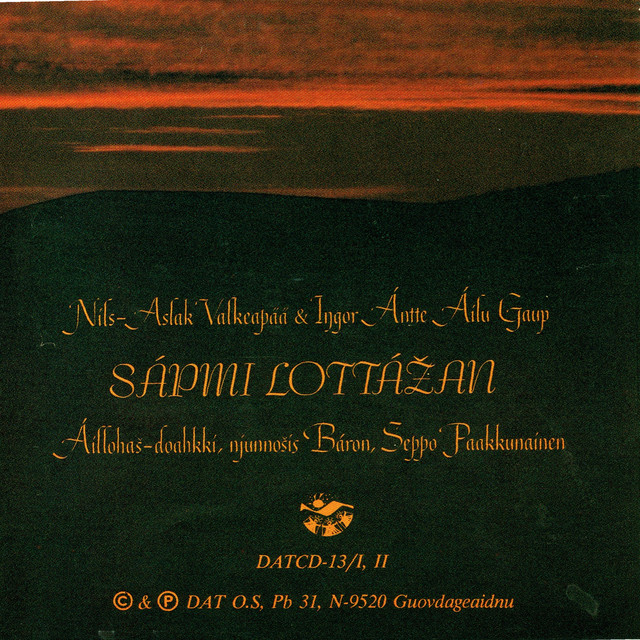
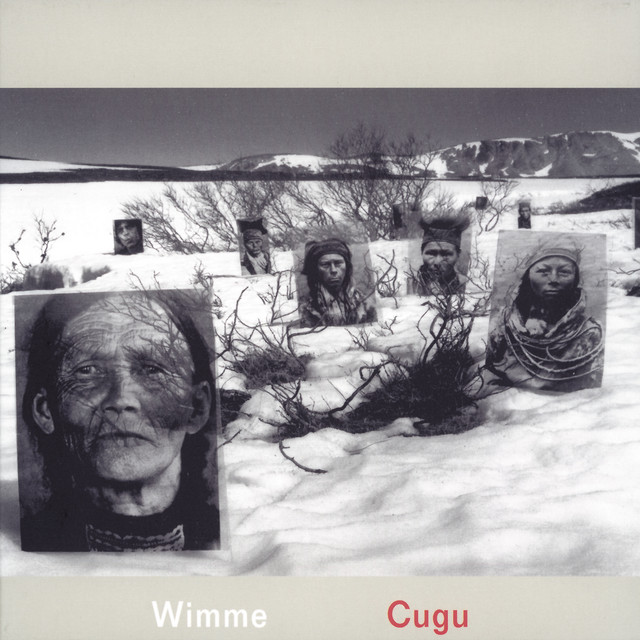
In modern times, yoik has flourished in a variety of directions, crossing into jazz, rock, folk, and electronic textures. This openness has given rise to global ambassadors who have brought Sami soundscapes to international audiences. Nils-Aslak Valkeapää, known as Áillohaš, was a towering early figure who helped elevate the yoik onto the world stage through poetry, art, and music. From Norway, Mari Boine became one of the best-known champions of yoik, blending traditional forms with jazz-inflected sensibilities to reach listeners far beyond the North. Wimme Sundström, a contemporary voice from the northern Sami region, has collaborated with ambient and world-music artists to expand the sonic possibilities of yoik. Sofia Jannok and Hildá Länsman (among others) carry the tradition forward with brave, modern incursions—keeping the essence of the yoik intact while inviting new audiences. Bands and artists like Adjágas blend yoik with rock and experimental textures, proving that the tradition can breathe in contemporary forms without losing its core identity.
Today, yoik remains strongest in the Nordic parts of Sápmi, but its influence travels with touring artists and recordings around the world. It appeals to music lovers who seek a direct, unvarnished voice from a culture with deep ties to landscape, community, and memory. For the curious listener, start with the early pioneers, then explore the crossroads where traditional yoik meets modern genres, and you’ll hear a living, evolving art form: ancient in origin, contemporary in practice, and always music that aims to meet you where you are.
What you hear in a traditional yoik is a direct, often austere vocal line built from short, memorable melodic cells. Lyrics—when they exist—tend to be sparse or improvised, and the focus is not descriptive storytelling but evocation. In many yoiks, words give way to syllabic sounds, tones, and breath, with the singer “haunting” the subject through voice alone. The performance may be a cappella or accompanied by a minimal instrument such as a drum (the goavddis drum is the most famous Sami percussion), a fiddle, or even a modern ensemble. The goal is to bring the subject into present life through sound, creating a shared atmosphere between performer and listener.
Historically, yoik has been intimately tied to both personal identity and communal rites. It could celebrate an individual, mark a place of importance, accompany a hunt, or accompany life events from birth to death. Because the yoik is an intimate, personal art form, its precise melodies and personal associations are often passed down within families or communities, evolving with each generation while retaining a sense of timelessness. In the 20th century, colonial and Christian-era pressures challenged traditional practices, but revival movements and cultural pride helped carry yoik into contemporary music scenes worldwide.
In modern times, yoik has flourished in a variety of directions, crossing into jazz, rock, folk, and electronic textures. This openness has given rise to global ambassadors who have brought Sami soundscapes to international audiences. Nils-Aslak Valkeapää, known as Áillohaš, was a towering early figure who helped elevate the yoik onto the world stage through poetry, art, and music. From Norway, Mari Boine became one of the best-known champions of yoik, blending traditional forms with jazz-inflected sensibilities to reach listeners far beyond the North. Wimme Sundström, a contemporary voice from the northern Sami region, has collaborated with ambient and world-music artists to expand the sonic possibilities of yoik. Sofia Jannok and Hildá Länsman (among others) carry the tradition forward with brave, modern incursions—keeping the essence of the yoik intact while inviting new audiences. Bands and artists like Adjágas blend yoik with rock and experimental textures, proving that the tradition can breathe in contemporary forms without losing its core identity.
Today, yoik remains strongest in the Nordic parts of Sápmi, but its influence travels with touring artists and recordings around the world. It appeals to music lovers who seek a direct, unvarnished voice from a culture with deep ties to landscape, community, and memory. For the curious listener, start with the early pioneers, then explore the crossroads where traditional yoik meets modern genres, and you’ll hear a living, evolving art form: ancient in origin, contemporary in practice, and always music that aims to meet you where you are.