Genre
youth orchestra
Top Youth orchestra Artists
Showing 25 of 29 artists








About Youth orchestra
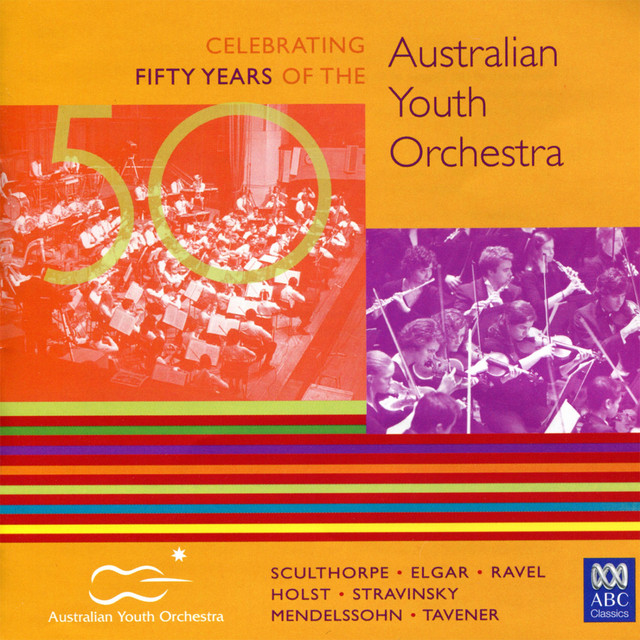
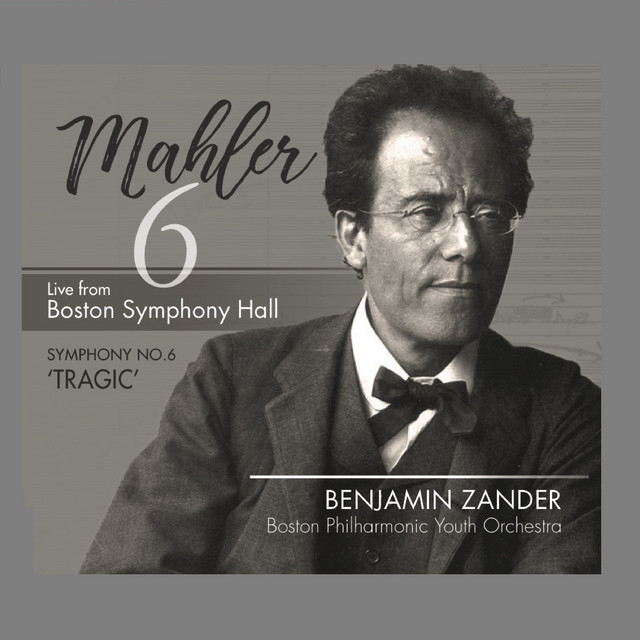
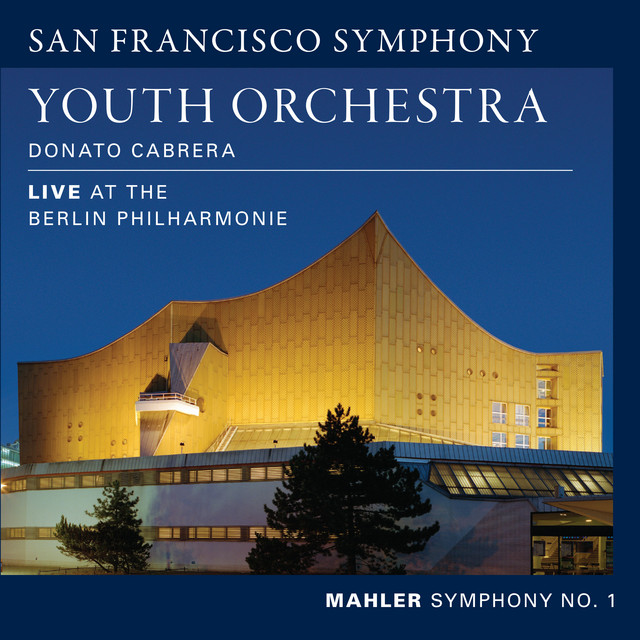
Youth orchestras are not a fixed “style” of music, but a global movement: ensembles of teenagers and young adults who come together to learn, rehearse, and perform the core repertoire of the symphonic tradition. They function as both training grounds and performance platforms, bridging school studies and professional careers. Repertoire ranges from classical masterworks by Haydn, Mozart, and Beethoven to contemporary scores, film music, and new works commissioned for young players. Performances often pair rigorous musical preparation with ambitious concert schedules, regional tours, and international festivals, giving emerging musicians a taste of professional life while keeping the spotlight on education and inclusion.
The modern youth orchestra ecosystem grew substantially after World War II, when many European and North American countries established formal national or regional ensembles. The idea was to give talented young players a shared, high-level experience beyond school ensembles, with audition-based entry, mentorship from professional musicians, and conductor-led programming. In Europe, pan-national outfits such as the European Union Youth Orchestra (EUYO) became flagship models, bringing together players from dozens of countries for intensive rehearsals and a touring season. National youth orchestras also proliferated across the UK, Germany, Italy, France, Spain, and beyond, often spawning affiliated youth or family orchestras and feeding future professional orchestras with trained, collaborative players.
A pivotal moment in the youth-orchestral world was the rise of El Sistema in Venezuela, founded in 1975 by José Antonio Abreu. This social-action model uses orchestral music as a vehicle for social development, predominantly drawing on children from underserved communities. It demonstrated that high-level ensemble playing could be made broadly accessible and transformative, not only preserving a high standard of performance but also delivering social and educational benefits. The system’s most famous alumnus, Gustavo Dudamel, became a global ambassador for youth orchestras and for music as social change, elevating the profile of youth ensembles through performances with major orchestras and his long tenure as music director of the Los Angeles Philharmonic. The El Sistema network also includes youth-related programs like Orquesta Juvenil and Orquesta Filarmónica Juvenil, which inspired similar efforts around the world.
Key ambassadors and icons of the culture include José Antonio Abreu (founder of El Sistema), Gustavo Dudamel (conductor and public advocate), and conductors such as Marin Alsop, who championed music-education initiatives (notably with OrchKids) that connect youth orchestras to professional ensembles. The movement has also given rise to dedicated programs in the United States (for example, NYO-USA and regional outfits), and it continues to spread to Asia, and other regions, as schools and cultural institutions recognize the value of ensemble-based training.
For music enthusiasts, youth orchestras offer a compelling blend of technical rigor, youthful energy, and communal impact. They provide audiences with fresh interpretive voices and remind the classical world that today’s young players may become tomorrow’s leading soloists, conductors, and pedagogy innovators.
The modern youth orchestra ecosystem grew substantially after World War II, when many European and North American countries established formal national or regional ensembles. The idea was to give talented young players a shared, high-level experience beyond school ensembles, with audition-based entry, mentorship from professional musicians, and conductor-led programming. In Europe, pan-national outfits such as the European Union Youth Orchestra (EUYO) became flagship models, bringing together players from dozens of countries for intensive rehearsals and a touring season. National youth orchestras also proliferated across the UK, Germany, Italy, France, Spain, and beyond, often spawning affiliated youth or family orchestras and feeding future professional orchestras with trained, collaborative players.
A pivotal moment in the youth-orchestral world was the rise of El Sistema in Venezuela, founded in 1975 by José Antonio Abreu. This social-action model uses orchestral music as a vehicle for social development, predominantly drawing on children from underserved communities. It demonstrated that high-level ensemble playing could be made broadly accessible and transformative, not only preserving a high standard of performance but also delivering social and educational benefits. The system’s most famous alumnus, Gustavo Dudamel, became a global ambassador for youth orchestras and for music as social change, elevating the profile of youth ensembles through performances with major orchestras and his long tenure as music director of the Los Angeles Philharmonic. The El Sistema network also includes youth-related programs like Orquesta Juvenil and Orquesta Filarmónica Juvenil, which inspired similar efforts around the world.
Key ambassadors and icons of the culture include José Antonio Abreu (founder of El Sistema), Gustavo Dudamel (conductor and public advocate), and conductors such as Marin Alsop, who championed music-education initiatives (notably with OrchKids) that connect youth orchestras to professional ensembles. The movement has also given rise to dedicated programs in the United States (for example, NYO-USA and regional outfits), and it continues to spread to Asia, and other regions, as schools and cultural institutions recognize the value of ensemble-based training.
For music enthusiasts, youth orchestras offer a compelling blend of technical rigor, youthful energy, and communal impact. They provide audiences with fresh interpretive voices and remind the classical world that today’s young players may become tomorrow’s leading soloists, conductors, and pedagogy innovators.