Genre
yugoslav rock
Top Yugoslav rock Artists
Showing 25 of 70 artists








About Yugoslav rock
Yugoslav rock is the vibrant umbrella name for the rock music produced across the former Yugoslavia from the early 1960s through the 1990s. Born at a moment when Western rock ’n’ roll, rhythm and blues, and psychedelic sounds were filtering into Sarajevo, Zagreb, Belgrade, Ljubljana, and Skopje, it grew into a plural, cross-cultural scene that fused global influences with local melodies, languages, and social realities. The scene thrived under a relatively liberal cultural climate for its time, with state-supported labels and a festival culture that helped bands reach audiences far beyond their city clubs. What began as garage- and blues-influenced groups soon diversified into pop-rock, hard rock, progressive and psychedelic explorations, folk-inflected songwriting, post-punk, and beyond.
One of the defining features of Yugoslav rock is its breadth. In the 1970s and early 1980s, bands drew on hard rock and heavy guitar-driven music, while also absorbing folk textures, brass-infused melodies, and cinematic arrangements. The late 1970s and 1980s brought the Novi Val (New Wave) era, a period of brisk, image-conscious, and often politically tinged music that connected with youth across republics. This era produced a stream of acts that became legends across the region, even as the country itself was ethnically and linguistically diverse. The genre’s language is often described as Serbo-Croatian, with bands recording in Serbian, Croatian, Bosnian, Slovenian, and Macedonian, which helped foster cross-republic appeal.
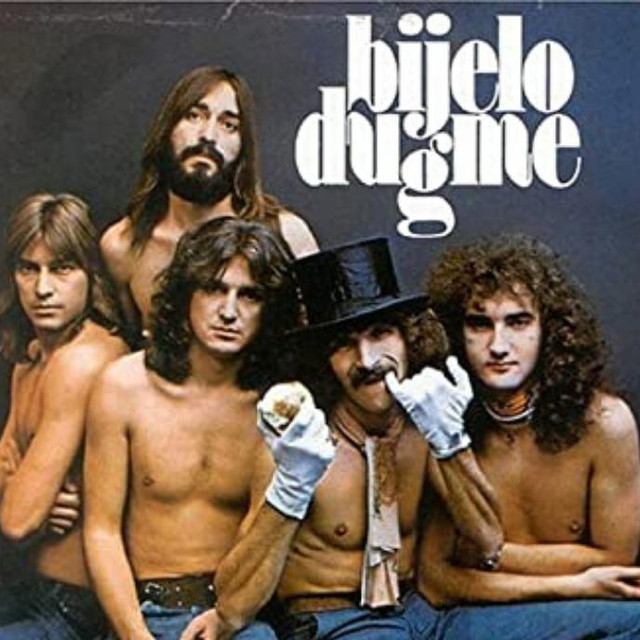
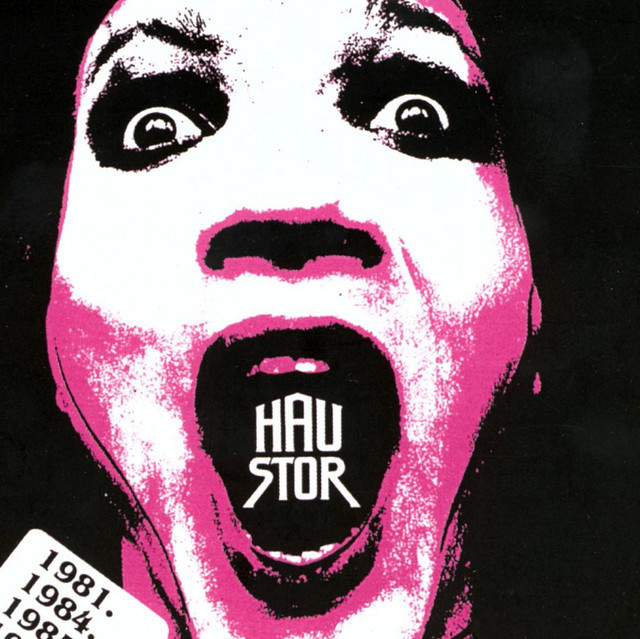
Key artists and ambassadors of the genre read like a regional hall of fame. Bijelo Dugme, formed in Sarajevo in the mid-1970s, became the most commercially successful Yugoslav rock band and a cultural touchstone across the country. Azra, led by Branimir Štulić, was central to the Croatian and broader Yugoslav rock identity in the 1980s. Ekatarina Velika (Ekatarina Velika) helped define the Belgrade scene with a poetic, moody post-punk ethos. Riblja Čorba, Prljavo kazalište, Disciplina Kičme (aka Disciplina Ljubičice), and Haustor were other giants of the era, each contributing a distinct voice—hard-edged rock, punk-inflected pop, bass-driven underground, and new wave-tinged experimentation, respectively. Laibach from Slovenia pushed conceptual and industrial-leaning edges of “rock” into mainstream awareness, while Leb i Sol from North Macedonia offered ambitious progressive and fusion-inflected sounds. Together, these acts made Yugoslav rock a truly multi-ethnic, cross-border phenomenon.
Geographically, Yugoslav rock enjoyed strong bases in today’s Serbia, Croatia, Bosnia and Herzegovina, and Slovenia, with notable scenes in Montenegro and North Macedonia as well. Its influence spilled over into diasporas in Western Europe, North America, and Australia, where fans connected with the vitality of the scene and its storytelling spirit. Today, the legacy persists in successor-state scenes, festival traditions, and a lineage of indie and alternative acts that still mine the same spirit of boundary-crossing, melodic risk, and social awareness that defined Yugoslav rock at its best. In short, Yugoslav rock was less a single sound than a shared cultural movement—a musical map of a polyphonic region learning to speak in electric guitars and chorus hooks.
One of the defining features of Yugoslav rock is its breadth. In the 1970s and early 1980s, bands drew on hard rock and heavy guitar-driven music, while also absorbing folk textures, brass-infused melodies, and cinematic arrangements. The late 1970s and 1980s brought the Novi Val (New Wave) era, a period of brisk, image-conscious, and often politically tinged music that connected with youth across republics. This era produced a stream of acts that became legends across the region, even as the country itself was ethnically and linguistically diverse. The genre’s language is often described as Serbo-Croatian, with bands recording in Serbian, Croatian, Bosnian, Slovenian, and Macedonian, which helped foster cross-republic appeal.
Key artists and ambassadors of the genre read like a regional hall of fame. Bijelo Dugme, formed in Sarajevo in the mid-1970s, became the most commercially successful Yugoslav rock band and a cultural touchstone across the country. Azra, led by Branimir Štulić, was central to the Croatian and broader Yugoslav rock identity in the 1980s. Ekatarina Velika (Ekatarina Velika) helped define the Belgrade scene with a poetic, moody post-punk ethos. Riblja Čorba, Prljavo kazalište, Disciplina Kičme (aka Disciplina Ljubičice), and Haustor were other giants of the era, each contributing a distinct voice—hard-edged rock, punk-inflected pop, bass-driven underground, and new wave-tinged experimentation, respectively. Laibach from Slovenia pushed conceptual and industrial-leaning edges of “rock” into mainstream awareness, while Leb i Sol from North Macedonia offered ambitious progressive and fusion-inflected sounds. Together, these acts made Yugoslav rock a truly multi-ethnic, cross-border phenomenon.
Geographically, Yugoslav rock enjoyed strong bases in today’s Serbia, Croatia, Bosnia and Herzegovina, and Slovenia, with notable scenes in Montenegro and North Macedonia as well. Its influence spilled over into diasporas in Western Europe, North America, and Australia, where fans connected with the vitality of the scene and its storytelling spirit. Today, the legacy persists in successor-state scenes, festival traditions, and a lineage of indie and alternative acts that still mine the same spirit of boundary-crossing, melodic risk, and social awareness that defined Yugoslav rock at its best. In short, Yugoslav rock was less a single sound than a shared cultural movement—a musical map of a polyphonic region learning to speak in electric guitars and chorus hooks.