Genre
zespol dzieciecy
Top Zespol dzieciecy Artists
Showing 25 of 42 artists


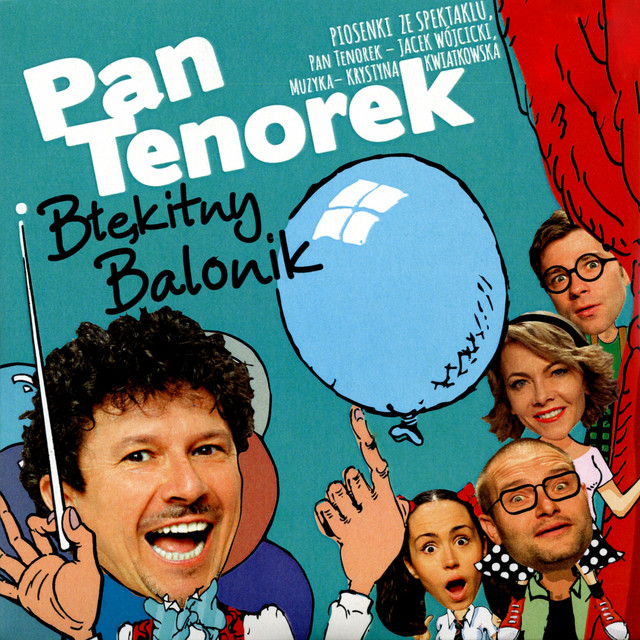





About Zespol dzieciecy
Zespol dzieciecy, literally a "children's ensemble," is not a single strict genre but a living category of groups in which young performers sing, play instruments, or both. It sits at the crossroads of classical choral tradition, folk music, and contemporary kids’ pop, and it’s defined more by its performers than by a fixed repertory. The result is a vibrant, education-driven field that treats music making as a social act as well as an art form.
Origin and evolution
The roots of children’s ensembles lie in Europe’s long choral and sacred music traditions. For centuries, church and court music relied on trained boy sopranos and young choristers, developing a repertoire that required precise discipline, vocal agility, and communal listening. By the 18th and 19th centuries, dedicated boy choruses and school choirs flourished across the continent, laying the groundwork for modern children’s groups. The tradition matured in parallel with the rise of formal music education, community arts programs, and the desire to give children a platform to study and perform at a high level.
Ambassadors and key artists
- Vienna Boys’ Choir (Wiener Sängerknaben): perhaps the most enduring symbol of the genre, representing centuries of treble singing and a global touring standard for children’s choral performance.
- Raffi (Rafael Cavoukian): a landmark in儿童音乐 worldwide, whose folk-inflected, child-centered songs helped define modern children’s music (albums like Baby Beluga are widely cherished).
- The Wiggles: a paradigm of modern, stage-focused children’s entertainment blending music, storytelling, and performance for younger audiences.
- Laurie Berkner: a leading figure in contemporary children’s music in North America, known for catchy, singer-songwriter approach tailored to kids and families.
Popular regions
- Europe: strong traditions in countries with rich choral heritages and school music systems (Austria, Germany, Poland, the UK, the Nordic countries).
- North America: extensive ecosystems of school and community choirs, professional tours, and recorded children’s music.
- Oceania: Australia’s The Wiggles and related acts have made children’s ensemble-style performance a cultural staple.
- Asia: growing interest, with youth choirs and educational programs that emphasize vocal training and ensemble work in places like Japan and South Korea.
Overall, the genre travels well and adapts to local tastes—ranging from classical-sounding treble choirs to folk-inflected or pop-oriented projects.
Repertoire, training, and performance practice
- Repertoire spans from medieval and Renaissance polyphony arranged for treble voices to folk songs, traditional lullabies, and contemporary compositions for kids.
- Training emphasizes vocal technique, intonation, rhythm, and a sense of ensemble listening. Many groups operate through schools, churches, conservatories, or cultural centers, often with a strong educational mission.
- Performances mix concert halls with community venues, school events, and televised or streamed programs. Stagecraft—choreography, movement, and storytelling—frequently accompanies the music to engage young audiences.
Why music enthusiasts gravitate toward it
Zespol dzieciecy offers a rare combination of technical discipline, emotional immediacy, and communal artistry. Listening to child singers trained to handle intricate polyphony or to deliver a playful, polished pop set creates a captivating contrast with adult performance norms. For enthusiasts, it’s both a glimpse into the future of vocal artistry and a reminder of the social power of music—how singing together can educate, inspire, and connect across cultures.
If you’re exploring the genre, start with the Vienna Boys’ Choir’s recordings for a historical benchmark, then sample Raffi or The Wiggles for contemporary approaches, and seek local school or community choirs to hear living practice in your area.
Origin and evolution
The roots of children’s ensembles lie in Europe’s long choral and sacred music traditions. For centuries, church and court music relied on trained boy sopranos and young choristers, developing a repertoire that required precise discipline, vocal agility, and communal listening. By the 18th and 19th centuries, dedicated boy choruses and school choirs flourished across the continent, laying the groundwork for modern children’s groups. The tradition matured in parallel with the rise of formal music education, community arts programs, and the desire to give children a platform to study and perform at a high level.
Ambassadors and key artists
- Vienna Boys’ Choir (Wiener Sängerknaben): perhaps the most enduring symbol of the genre, representing centuries of treble singing and a global touring standard for children’s choral performance.
- Raffi (Rafael Cavoukian): a landmark in儿童音乐 worldwide, whose folk-inflected, child-centered songs helped define modern children’s music (albums like Baby Beluga are widely cherished).
- The Wiggles: a paradigm of modern, stage-focused children’s entertainment blending music, storytelling, and performance for younger audiences.
- Laurie Berkner: a leading figure in contemporary children’s music in North America, known for catchy, singer-songwriter approach tailored to kids and families.
Popular regions
- Europe: strong traditions in countries with rich choral heritages and school music systems (Austria, Germany, Poland, the UK, the Nordic countries).
- North America: extensive ecosystems of school and community choirs, professional tours, and recorded children’s music.
- Oceania: Australia’s The Wiggles and related acts have made children’s ensemble-style performance a cultural staple.
- Asia: growing interest, with youth choirs and educational programs that emphasize vocal training and ensemble work in places like Japan and South Korea.
Overall, the genre travels well and adapts to local tastes—ranging from classical-sounding treble choirs to folk-inflected or pop-oriented projects.
Repertoire, training, and performance practice
- Repertoire spans from medieval and Renaissance polyphony arranged for treble voices to folk songs, traditional lullabies, and contemporary compositions for kids.
- Training emphasizes vocal technique, intonation, rhythm, and a sense of ensemble listening. Many groups operate through schools, churches, conservatories, or cultural centers, often with a strong educational mission.
- Performances mix concert halls with community venues, school events, and televised or streamed programs. Stagecraft—choreography, movement, and storytelling—frequently accompanies the music to engage young audiences.
Why music enthusiasts gravitate toward it
Zespol dzieciecy offers a rare combination of technical discipline, emotional immediacy, and communal artistry. Listening to child singers trained to handle intricate polyphony or to deliver a playful, polished pop set creates a captivating contrast with adult performance norms. For enthusiasts, it’s both a glimpse into the future of vocal artistry and a reminder of the social power of music—how singing together can educate, inspire, and connect across cultures.
If you’re exploring the genre, start with the Vienna Boys’ Choir’s recordings for a historical benchmark, then sample Raffi or The Wiggles for contemporary approaches, and seek local school or community choirs to hear living practice in your area.